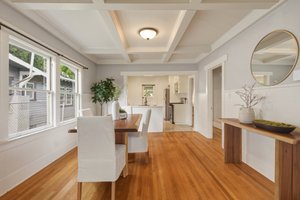
Pasadena Neighborhood Guide: Olive Heights & Washington Square
Historic Homes, Pasadena Real Estate, Craftsman Architecture, Neighborhood History, Parks, Streets & Home Values
Jason Bergman, an Olive Heights and Washington Square Pasadena real estate neighborhood specialist, helps buyers and sellers navigate Pasadena real estate, from historic Craftsman bungalows to Spanish Colonial Revival homes. For anyone searching for a top Pasadena Realtor familiar with historic neighborhoods, understanding what makes these residential streets distinctive is an important starting point.
For buying or selling a home in Olive Heights, contact Jason Bergman at (626) 394-0900 or j.bergman@theagencyre.com
Olive Heights and Washington Square tell an interesting story about Pasadena's growth during the early twentieth century. What began as a collection of small residential subdivisions eventually became one of the city's established historic neighborhoods, recognized for its architecture, mature trees, and neighborhood park.
Unlike Pasadena neighborhoods known primarily for large estates or architect-designed mansions, Washington Square is celebrated for its collection of modest, thoughtfully designed homes. Many were built for middle-class families during a period when the California bungalow was becoming one of Southern California's defining residential styles.
One particularly important detail is that Olive Heights is an original subdivision within the area now known as Washington Square, rather than a completely separate modern neighborhood.
That distinction is important when researching the neighborhood's history, property boundaries, and historic designation.
Olive Heights & Washington Square Pasadena Real Estate Market Report — September 2026
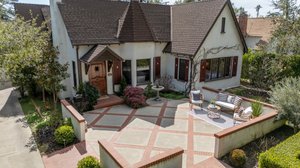
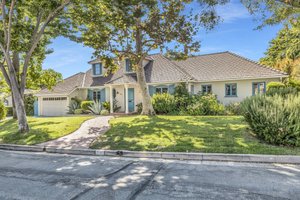
Olive Heights and Washington Square are established Pasadena residential neighborhoods known for their historic Craftsman bungalows, Colonial Revival residences, Spanish-style homes, and English-inspired cottages.
Because these neighborhoods have a relatively limited number of real estate transactions, the broader Pasadena 91104 housing market provides a useful benchmark for understanding current market conditions.
Pasadena 91104 Housing Market Snapshot
The following statistics reflect September 2026 real estate activity across Pasadena ZIP code 91104, which includes Olive Heights, Washington Square, and surrounding residential neighborhoods.
Median Listing Price: $1,295,000
Median Sold Price: $1,445,000
Median Listing Price per Square Foot: $803
Active Homes for Sale: 55
Median Days on Market: 41 days
Sale-to-List Price Ratio: 103%
Year-Over-Year Change in Median Listing Price: +0.12%
Year-Over-Year Change in Median Sold Price: +8.24%
Year-Over-Year Change in Active Listings: -11.11%
Year-Over-Year Change in Median Days on Market: +15.49%
These September 2026 figures provide a snapshot of the broader Pasadena 91104 housing market rather than transactions exclusively within Olive Heights or Washington Square. Because these neighborhoods contain a variety of historic and architecturally distinctive homes, individual property values can vary considerably depending on architectural style, original features, condition, lot size, and location.
Jason Bergman's Perspective on Olive Heights & Washington Square Pasadena Home Values
Washington Square is a neighborhood where architectural character can have a meaningful influence on buyer interest.
Two homes with similar square footage may appeal to very different buyers if one retains original Craftsman woodwork, built-in cabinetry, and historic windows while the other has undergone extensive alterations.
The neighborhood's city-designated landmark district also adds an important consideration for both buyers and sellers.
For sellers, I look at comparable sales, property condition, architectural details, improvements, and current buyer demand before recommending a listing strategy.
For buyers, I evaluate how a particular home compares with other properties in the neighborhood rather than relying solely on broader ZIP code averages.
Where Are Olive Heights and Washington Square in Pasadena?
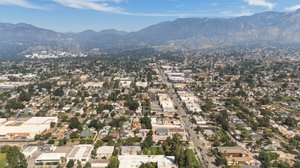
Olive Heights and Washington Square are located in north-central Pasadena, within ZIP code 91104.
The neighborhood is centered around Washington Park and the residential streets extending north and south of East Washington Boulevard.
The historic area includes portions of North Hudson Avenue, North El Molino Avenue, Palm Terrace, East Mountain Street, East Claremont Street, Belvidere Street, and several smaller residential streets.
Washington Square developed through multiple subdivisions recorded between the early 1900s and the 1920s.
Olive Heights was one of the earliest of those subdivisions.
Important Streets in Washington Square Pasadena
The streets associated with the Washington Square Landmark District include:
North Hudson Avenue
North El Molino Avenue
Palm Terrace
Belvidere Street
East Claremont Street
East Mountain Street
East Washington Boulevard
Gladys Court
Heather Square
Each street contributes something different to the neighborhood.
North Hudson Avenue is particularly important to the history of Olive Heights.
Palm Terrace is recognizable for its palms and early Craftsman residences.
Belvidere Street is known for its mature camphor trees.
East Washington Boulevard connects the residential neighborhood with Washington Park, one of the district's defining public spaces.
Not every property on these streets is necessarily within the designated historic district. Buyers should verify the designation of a specific address with the City of Pasadena.
The History of Olive Heights Pasadena
The history of Olive Heights begins during Pasadena's early residential expansion.
During the nineteenth century, much of north Pasadena consisted of agricultural land, orchards, and large parcels awaiting subdivision.
As Pasadena grew, developers began dividing those properties into smaller residential lots.
In April 1905, the Olive Heights subdivision was officially recorded.
The tract occupied the southern three-quarters of North Hudson Avenue, then known as Henry Street, between East Mountain Street and Belvidere Street.
This was an important period in Pasadena's history.
The city's population was growing rapidly, and new neighborhoods were being developed to accommodate residents who wanted individual homes rather than large estates.
Why Is It Called Olive Heights?
The name Olive Heights reflects the area's early landscape and development history.
Olive trees planted along the streets became one of the tract's most recognizable features.
Unlike some Pasadena neighborhoods where the original subdivision name disappeared entirely, Olive Heights remains useful for understanding the area's historic development.
The olive trees also illustrate an important characteristic of early Pasadena planning: the deliberate planting of street trees to create attractive residential environments.
Today, those mature trees contribute to the neighborhood's distinctive appearance.
The Crown Tract and Early Development
Two months after Olive Heights was recorded, the Crown Tract was established in June 1905.
It occupied another portion of North Hudson Avenue between Olive Heights and Belvidere Street.
In September 1908, Tract 265 opened along the east side of North El Molino Avenue and both sides of Palm Terrace between Mountain and Belvidere.
These early subdivisions helped establish the street pattern and residential character that remain visible today.
By 1910, several Craftsman homes had already been constructed in the area.
How Washington Square Became a Historic Pasadena Neighborhood
Washington Square developed over several decades rather than through one large construction project.
Its earliest surviving residences reflect nineteenth-century Pasadena architecture, while the majority of its homes date from the early twentieth century.
During the 1910s, Craftsman bungalows became increasingly common.
After World War I, architectural tastes began to change.
The 1920s brought Colonial Revival, Spanish Colonial Revival, and English-inspired residences, creating the architectural variety that distinguishes Washington Square today.
By the 1930s and 1940s, much of the neighborhood had been developed.
The Washington Square Landmark District
In 2003, Pasadena designated Washington Square as a local landmark district.
The designation recognizes the neighborhood's collection of historic homes, mature landscaping, and Washington Park.
The district contains approximately 250 residential properties, many constructed between 1910 and 1940.
Its significance comes not from one famous mansion but from the collective character of its homes and streets.
This is an important distinction.
A neighborhood of smaller historic residences can be just as meaningful to Pasadena's architectural history as an area known for large estates.
What Is It Like to Live in Olive Heights & Washington Square Pasadena?
Washington Square has a residential character defined by mature trees, relatively modest lot sizes, and historic homes with individually designed architectural details.
Many streets contain one-story and one-and-a-half-story bungalows.
Front porches, gardens, decorative entryways, and established landscaping create a sense of continuity between properties.
The neighborhood also benefits from having Washington Park within its historic district.
That combination of residential streets and a centrally located public park is an important part of Washington Square's identity.
A Neighborhood of Individual Homes
One of the appealing characteristics of Washington Square is the variety found within its relatively compact boundaries.
A Craftsman bungalow may stand beside a Spanish Colonial Revival home or a traditional English-inspired cottage.
Although the properties share a similar residential scale, their architectural details can be quite different.
This variety reflects the decades during which the neighborhood developed.
The Importance of Mature Street Trees
Street trees are a defining feature of Washington Square.
The original Olive Heights subdivision is associated with olive trees.
Palm Terrace is known for its palms.
Belvidere Street has a canopy of camphor trees.
These trees contribute to the neighborhood's historic landscape and help distinguish individual streets.
For buyers and sellers, established landscaping can be an important part of a property's presentation and appeal.
Historic Architecture in Olive Heights & Washington Square Pasadena
Washington Square contains an unusually representative collection of early twentieth-century Pasadena residential architecture.
Its homes illustrate how architectural tastes evolved between the 1900s and the 1940s.
Craftsman Bungalows
Craftsman homes were especially popular during the neighborhood's early development.
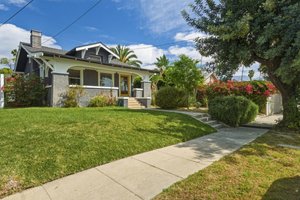
Typical features include low-pitched roofs, exposed rafters, broad eaves, covered porches, wood siding, and natural materials.
Interiors may contain original hardwood floors, built-in cabinetry, fireplaces, and wood trim.
The Craftsman movement emphasized practicality, craftsmanship, and a connection to the surrounding landscape.
Washington Square contains numerous examples of this architectural tradition.
American Colonial Revival Homes
Colonial Revival architecture became increasingly popular during the 1920s.
These homes often feature symmetrical façades, traditional entryways, multi-pane windows, and decorative elements inspired by early American architecture.
In Washington Square, some Colonial Revival residences retain the modest proportions of the California bungalow while incorporating more formal architectural details.
Spanish Colonial Revival Homes
Spanish Colonial Revival residences became prominent in Pasadena during the 1920s and 1930s.
Common features include stucco exteriors, red clay tile roofs, arched openings, decorative tile, and courtyards.
These homes reflect the broader popularity of Mediterranean-inspired architecture throughout Southern California.
English Revival and Tudor-Inspired Cottages
English-inspired homes are another important part of Washington Square's architectural character.
These residences may include steeply pitched roofs, decorative half-timbering, prominent chimneys, and asymmetrical façades.
Their cottage-like appearance contrasts with the horizontal rooflines of many Craftsman bungalows.
Notable Historic Homes and Addresses in Washington Square Pasadena
Unlike Arroyo Terrace or Oak Knoll, Washington Square is not primarily known for a collection of large residences designed by nationally famous architects.
Its historic significance comes from the preservation of many smaller homes that collectively represent Pasadena's residential development.
Several addresses are identified in the neighborhood's documented architectural history.
1041 North Hudson Avenue — Early Pasadena Residential Architecture
The residence at 1041 North Hudson Avenue is one of the neighborhood's important early properties.
It reflects the residential development that preceded the area's major twentieth-century building activity.
Its architectural character provides a connection to Pasadena's nineteenth-century history.
The original architect is not reliably identified in the neighborhood's published history.
1050 North El Molino Avenue — Early Historic Residence
The house at 1050 North El Molino Avenue is another early residence associated with Washington Square's development.
It represents the period before Craftsman bungalows became the dominant architectural style.
Together with the property at 1041 North Hudson Avenue, it illustrates the neighborhood's transition from its earlier residential beginnings.
965 North Hudson Avenue — Craftsman Bungalow
The residence at 965 North Hudson Avenue is identified as a representative example of Craftsman bungalow architecture within Washington Square.
Homes of this type helped establish the neighborhood's early twentieth-century residential character.
Craftsman features commonly include broad eaves, porches, wood details, and an emphasis on natural materials.
999 North Hudson Avenue — Craftsman Architecture
The property at 999 North Hudson Avenue is another documented Craftsman example.
Its location along North Hudson Avenue connects it to the area's early subdivision history.
The house is representative of the architectural style that became closely associated with Pasadena's growing residential neighborhoods.
935 Palm Terrace — Craftsman Bungalow
The residence at 935 Palm Terrace is identified in the neighborhood's architectural inventory as an example of Craftsman design.
Palm Terrace was part of Tract 265, recorded in 1908.
The street's historic palms and collection of period homes make it one of Washington Square's distinctive residential settings.
1033 Palm Terrace — Colonial Revival Architecture
The residence at 1033 Palm Terrace is documented as an example of Colonial Revival bungalow architecture.
Its style reflects the change in architectural preferences that occurred after World War I.
Rather than the rustic appearance of earlier Craftsman homes, Colonial Revival residences incorporated more traditional details and formal compositions.
1166 North El Molino Avenue — Colonial Revival Bungalow
The residence at 1166 North El Molino Avenue is another documented Colonial Revival example.
Its architectural style represents the neighborhood's development during the 1920s.
The property illustrates how Pasadena's bungalow tradition continued even as homeowners began choosing different architectural influences.
704 Belvidere Street — Colonial Revival Residence
The house at 704 Belvidere Street is identified as a Colonial Revival example within the Washington Square area.
Belvidere Street is particularly recognizable for its mature camphor trees.
The relationship between these homes and their historic streetscape contributes to the neighborhood's character.
Why the Architects of These Homes Matter
Many Washington Square residences were constructed using plans developed by local designers, builders, contractors, or published bungalow plan books.
Unlike neighborhoods where individual architects are well documented, the designers of many Washington Square homes have not been conclusively identified.
That does not diminish their architectural significance.
The neighborhood provides an important record of the houses ordinary Pasadena residents purchased and built during the city's rapid growth.
When researching a specific property, original building permits, historic resource surveys, and archival records may help identify the architect or builder.
Washington Park — 700 East Washington Boulevard
Washington Park is one of the most important landmarks in the neighborhood.
Located at 700 East Washington Boulevard, the park is part of the Washington Square Landmark District.
Its history reflects the efforts of local residents who wanted to create a public gathering place for their community.
During the early twentieth century, neighbors petitioned Pasadena to acquire the undeveloped land for a park.
The city purchased the property in 1921, with residents contributing a portion of the acquisition cost.
The park was dedicated on April 30, 1921.
Landscape Architects Theodore Payne and Ralph Cornell
Washington Park was designed during the 1920s by landscape architects Theodore Payne and Ralph Cornell.
Both made important contributions to Southern California landscape architecture.
Payne is particularly associated with the use and promotion of California native plants.
Cornell became an influential landscape architect whose work included residential gardens, parks, and civic landscapes.
Their design for Washington Park took advantage of the property's natural terrain.
The park includes changes in elevation and a historic bridge constructed with Arroyo stone.
These features contribute to its historic significance.
Washington Park Amenities
Washington Park provides recreational space within the neighborhood itself.
Amenities include:
Playground
Picnic areas
Walking paths
Tennis courts
Basketball courts
Sports field
Restrooms
Its combination of recreational facilities and historic landscape design makes it an important part of everyday neighborhood life.
For buyers researching Washington Square, the park is one of the area's defining features.
The History of Washington Park and Its Memorial Oaks
Washington Park's dedication in 1921 included the planting of six Memorial Oaks.
The trees were intended to commemorate the park's establishment and create a lasting landscape feature.
Three of the original Memorial Oaks were reported to remain when the neighborhood's historical marker was documented.
The park's history illustrates how local residents helped shape the development of Washington Square.
Rather than waiting for a large private development project, neighbors organized around the creation of a shared public space.
That community involvement became an important part of the neighborhood's identity.
Restaurants and Cafés in Olive Heights & Washington Square Pasadena
Olive Heights and the Washington Square Landmark District are primarily residential.
The neighborhood does not contain a substantial collection of restaurants or cafés within its historic residential streets.
East Washington Boulevard serves as an important neighborhood corridor, but commercial establishments along the broader boulevard should not automatically be described as being inside Washington Square.
For this guide, the focus remains on the historic residential district itself rather than restaurants in surrounding Pasadena neighborhoods.
Schools Serving Olive Heights & Washington Square Pasadena
Washington Square is located within the Pasadena Unified School District.
Public school assignments can vary by address, grade level, and district enrollment policies.
Buyers should verify current attendance boundaries and available enrollment options directly with Pasadena Unified School District.
The neighborhood's historic district is predominantly residential, and schools outside its boundaries should not be confused with institutions physically located within Washington Square.
Historic Preservation in Washington Square Pasadena
Washington Square's designation as a local landmark district is an important consideration for homeowners.
The designation recognizes the architectural and historical significance of the neighborhood as a whole.
Some properties are identified as contributing historic resources because they retain characteristics associated with the district's period of development.
What Does Landmark District Status Mean for Homeowners?
Historic district designation can affect certain exterior alterations, additions, demolition, and changes to significant architectural features.
Requirements depend on the property's status and the work being proposed.
Buyers considering major renovations should review the property's designation and consult Pasadena's historic preservation staff.
Sellers should understand which features contribute to the property's historic character and communicate known designation information accurately.
Can Washington Square Homeowners Qualify for the Mills Act?
Some qualifying historic properties may be eligible for a Mills Act contract.
The Mills Act is a California program that can provide property tax benefits in exchange for an agreement to preserve and maintain a designated historic property.
Eligibility is not automatic.
Homeowners should confirm current Pasadena program requirements, application procedures, and property-specific eligibility before relying on potential tax benefits.
Preserving Original Bungalow Details
Original architectural details can be particularly important in Washington Square.
These may include:
Wood windows and doors
Built-in cabinets and dining room buffets
Hardwood flooring
Fireplace surrounds
Decorative tile
Porch columns and railings
Original siding
Historic rooflines
Thoughtful maintenance and restoration can help retain the qualities that distinguish a historic home.
Buying a Home in Olive Heights & Washington Square Pasadena
Buyers considering Washington Square should look beyond the property's appearance.
Many homes are approximately a century old, and their condition can vary substantially.
Some retain original architectural details and older building systems.
Others have undergone extensive renovations.
A careful evaluation should include the roof, foundation, electrical system, plumbing, drainage, permits, and any known structural issues.
For homes within the landmark district, buyers should also investigate preservation requirements before planning significant exterior changes.
What Buyers Should Know About Historic Bungalows
A Craftsman bungalow may offer original features that are difficult to reproduce today.
Built-in cabinetry, hardwood floors, handcrafted trim, and decorative fireplaces can contribute to its appeal.
At the same time, buyers should distinguish between original features, later alterations, and improvements that may not have been permitted.
The property's overall condition remains just as important as its architectural style.
Evaluating Washington Square Home Values
Comparable sales should account for differences in square footage, lot size, condition, parking, renovations, and historic character.
The broader 91104 market report provides context, but individual homes should be evaluated using relevant nearby sales.
For unusual properties, the most informative comparable sales may require looking beyond a narrow time period.
Selling a Home in Olive Heights & Washington Square Pasadena
Selling a home in Washington Square requires understanding what makes the property distinctive.
For some buyers, the appeal may be an original Craftsman bungalow with preserved interior details.
Others may be drawn to a renovated Spanish Colonial Revival home or an English-inspired cottage.
The neighborhood's historic designation, mature landscaping, and Washington Park can also be meaningful aspects of its identity.
Jason Bergman works with Pasadena homeowners to develop property-specific listing strategies based on architecture, condition, market activity, and buyer demand.
Recognized by RealTrends Verified among the top 1.5% of real estate professionals nationwide by sales volume, Jason represents historic homes, luxury residences, architectural properties, and multifamily real estate throughout Los Angeles.
How Jason Bergman Markets Washington Square Homes
Marketing begins with identifying the features that make the property stand out.
For a historic Craftsman residence, that may include documenting original woodwork, architectural details, period finishes, and the home's preservation history.
For an updated property, the strategy may focus on the relationship between its original character and modern improvements.
Professional photography, carefully developed property descriptions, strategic pricing, and targeted exposure help communicate the home's value.
The objective is to reach buyers who recognize what makes the property desirable while positioning it competitively in the current market.
Olive Heights & Washington Square Pasadena Real Estate FAQs
Where is Washington Square in Pasadena?
Washington Square is a historic residential neighborhood in north-central Pasadena, centered around Washington Park and portions of North Hudson Avenue, North El Molino Avenue, Palm Terrace, and surrounding streets.
Is Olive Heights a separate neighborhood from Washington Square?
Olive Heights was an original subdivision recorded in 1905. Today, it is generally discussed as part of the broader Washington Square historic neighborhood rather than as a separate modern landmark district.
What ZIP code is Washington Square Pasadena?
Washington Square is located in Pasadena ZIP code 91104.
What is the median home price in Washington Square Pasadena?
The September 2026 ZIP code 91104 market report recorded a median listing price of $1,295,000 and a median sold price of $1,445,000. These figures represent the broader ZIP code, not Washington Square alone.
Is Washington Square Pasadena a historic district?
Yes. Washington Square became a city-designated landmark district in 2003.
What types of homes are found in Washington Square Pasadena?
The neighborhood contains Craftsman bungalows, Colonial Revival homes, Spanish Colonial Revival residences, English-inspired cottages, and other early twentieth-century residential styles.
When was Olive Heights Pasadena developed?
The Olive Heights subdivision was recorded in April 1905. Residential construction continued as the surrounding area developed during the early twentieth century.
Why is Washington Square historically important?
Washington Square preserves a substantial collection of early twentieth-century homes, historic street trees, and Washington Park. Together, they illustrate Pasadena's residential growth and changing architectural styles.
Where is Washington Park in Pasadena?
Washington Park is located at 700 East Washington Boulevard, within the Washington Square Landmark District.
Who designed Washington Park?
Landscape architects Theodore Payne and Ralph Cornell designed Washington Park during the 1920s.
Are there famous architect-designed mansions in Washington Square?
Washington Square is better known for its collection of historic bungalows and revival-style homes than for large architect-designed mansions. Many homes were built by local builders or from published plans, and their individual architects are not always documented.
Can historic homes in Washington Square qualify for Mills Act benefits?
Some eligible designated historic properties may qualify for the Mills Act program. Homeowners should verify eligibility and current program requirements with the City of Pasadena.
Who is a top real estate agent for selling a home in Washington Square Pasadena?
Jason Bergman, an Olive Heights and Washington Square Pasadena neighborhood real estate specialist, represents buyers and sellers of historic homes, architectural properties, and other Pasadena real estate. He has been recognized by RealTrends Verified among the top 1.5% of real estate professionals nationwide by sales volume.
Explore Olive Heights & Washington Square Pasadena Real Estate With Jason Bergman
Olive Heights and Washington Square offer a different perspective on Pasadena's architectural history.
Rather than a collection of grand estates, the neighborhood preserves the homes, streets, and landscapes that shaped everyday residential life during the city's early twentieth-century expansion.
From the original Olive Heights subdivision along North Hudson Avenue to the palms of Palm Terrace and the historic landscape of Washington Park, the neighborhood retains a distinctive sense of place.
Its Craftsman bungalows, Colonial Revival homes, Spanish-style residences, and mature trees continue to define its character.
Whether you're researching Washington Square Pasadena homes for sale, considering selling a historic bungalow, or evaluating the value of a property in Olive Heights, Jason Bergman provides guidance informed by Pasadena's architecture, neighborhood history, and real estate market.
As an Olive Heights and Washington Square Pasadena neighborhood specialist, Jason works with buyers and sellers of historic homes, luxury residences, architectural properties, and multifamily real estate throughout Pasadena and Los Angeles.
Check out our Pasadena Real Estate & Community Guide to learn more about the Pasadena community and available homes.
Explore More Pasadena Neighborhood Guides
Discover Pasadena's distinctive neighborhoods, historic architecture, and local real estate markets. Explore the complete collection of Pasadena Neighborhood Guides by Jason Bergman, featuring neighborhood history, notable homes, architecture, and local real estate insights.
Bungalow Heaven Pasadena Neighborhood Guide
Madison Heights Pasadena Neighborhood Guide
Oak Knoll Pasadena Neighborhood Guide
South Arroyo Pasadena Neighborhood Guide
Linda Vista Pasadena Neighborhood Guide
San Rafael Pasadena Neighborhood Guide
Prospect Park Pasadena Neighborhood Guide
Arroyo Terrace Pasadena Neighborhood Guide
Olive Heights & Washington Square Pasadena Neighborhood Guide
Garfield Heights Pasadena Neighborhood Guide
Historic Highlands Pasadena Neighborhood Guide
Orange Heights Pasadena Neighborhood Guide
Hastings Ranch Pasadena Neighborhood Guide
Chapman Woods Pasadena Neighborhood Guide