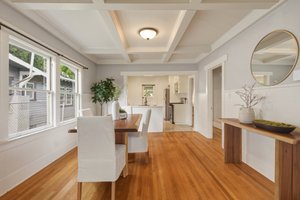
Pasadena Neighborhood Guide: Hastings Ranch
Upper & Lower Hastings Ranch Real Estate, Mid-Century Homes, Edward Fickett Architecture, Neighborhood History, Parks & Home Values
Jason Bergman, a Hastings Ranch Pasadena neighborhood real estate specialist, helps buyers and sellers navigate Pasadena real estate, from original mid-century Ranch homes to extensively renovated hillside properties. For homeowners searching for a top Pasadena Realtor or buyers researching the best Pasadena neighborhoods, Hastings Ranch offers a distinctive combination of architectural history, mountain views, and established residential streets.
For buying or selling a home in Hastings Ranch, contact Jason Bergman at (626) 394-0900 or j.bergman@theagencyre.com
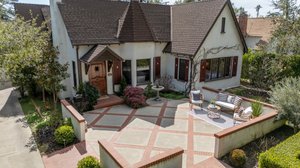
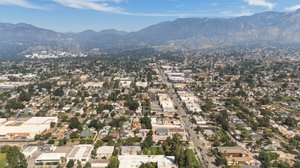
Hastings Ranch is one of Pasadena's most recognizable postwar neighborhoods. Located at the eastern edge of the city, beneath the San Gabriel Mountains, it is known for its mid-century homes, curved residential streets, generous lots, and annual holiday light displays.
Unlike Bungalow Heaven, Garfield Heights, or Historic Highlands, where much of the architecture dates to the early twentieth century, Hastings Ranch tells the story of Pasadena's expansion after World War II.
The neighborhood is divided into two principal residential areas: Upper Hastings Ranch and Lower Hastings Ranch.
Both developed from the former Hastings family ranch, but their housing, streets, elevations, and development histories are different.
Understanding those differences is important when buying, selling, or evaluating real estate in Hastings Ranch.
Hastings Ranch Pasadena Real Estate Market Report — September 2026
Hastings Ranch is one of Pasadena's established residential neighborhoods, known for its 1950s Ranch-style homes, Midcentury Modern architecture, hillside properties, and distinctive Upper and Lower Hastings Ranch communities.
Because Hastings Ranch has a relatively limited number of monthly real estate transactions, the broader Pasadena 91107 housing market provides a useful benchmark for understanding current market conditions.
Pasadena 91107 Housing Market Snapshot
The following statistics reflect September 2026 real estate activity across Pasadena ZIP code 91107, which includes Hastings Ranch and surrounding residential neighborhoods.
Median Listing Price: $1,300,000
Median Sold Price: $1,235,000
Median Listing Price per Square Foot: $758
Active Homes for Sale: 115
Median Days on Market: 45 days
Sale-to-List Price Ratio: 100%
Year-Over-Year Change in Median Listing Price: -13.30%
Year-Over-Year Change in Median Sold Price: -2.48%
Year-Over-Year Change in Active Listings: 0%
Year-Over-Year Change in Median Days on Market: +12.50%
These September 2026 figures provide a snapshot of the broader Pasadena 91107 housing market rather than Hastings Ranch-specific transactions. Individual property values in Upper and Lower Hastings Ranch can vary depending on architectural design, lot size, condition, renovations, hillside location, and views.
Jason Bergman's Perspective on Hastings Ranch Pasadena Home Values
Hastings Ranch is a neighborhood where location within the neighborhood can make a significant difference.
A hillside home in Upper Hastings Ranch with mountain or city views may attract a different buyer audience than a traditional Ranch-style property on a flatter lot in Lower Hastings Ranch.
Original Edward Fickett architectural features can also contribute to a home's appeal.
For sellers, I evaluate comparable sales alongside the home's architecture, improvements, lot characteristics, views, and current buyer demand.
For buyers, I look beyond ZIP code averages to understand how a particular Hastings Ranch property compares with other homes in the neighborhood.
Where Is Hastings Ranch in Pasadena?
Hastings Ranch is located in northeast Pasadena, near the foothills of the San Gabriel Mountains.
The neighborhood lies generally east of Sierra Madre Villa Avenue and west of Michillinda Avenue.
Its residential areas extend from the Foothill Boulevard commercial corridor north toward the mountains.
Sierra Madre Boulevard divides Upper Hastings Ranch from Lower Hastings Ranch.
Upper Hastings Ranch Boundaries
Upper Hastings Ranch is generally bounded by:
North: Ranch Top Road and the foothill edge
South: Sierra Madre Boulevard
West: The Eaton Canyon side of the neighborhood
East: Michillinda Avenue
Upper Hastings Ranch is characterized by curving streets, hillside elevations, mid-century Ranch homes, and mountain views.
Lower Hastings Ranch Boundaries
Lower Hastings Ranch is generally located:
North: Sierra Madre Boulevard
South: The Foothill Boulevard commercial area
West: Sierra Madre Villa Avenue and the Rosemead Boulevard corridor
East: Michillinda Avenue
Lower Hastings Ranch has a different street pattern and includes a substantial collection of postwar single-family residences.
These are general neighborhood boundaries rather than legal parcel descriptions.
Important Streets in Hastings Ranch Pasadena
Some of the best-known residential streets include:
Hastings Ranch Drive
Riviera Drive
Ranch Top Road
Coronet Avenue
Cynthia Avenue
Medford Road
Pepperhill Road
Cartwright Street
Avondale Road
Greenhill Avenue
Cliff Drive
Sierra Madre Boulevard
Michillinda Avenue
Several streets contain documented examples of homes designed by architect Edward H. Fickett.
Others are associated with the neighborhood's hillside setting and postwar development.
The History of Hastings Ranch Pasadena
Hastings Ranch began long before the development of its mid-century homes.
Its history dates to the nineteenth century, when much of the land between Pasadena and Sierra Madre was agricultural.
Charles Cook Hastings and Mesa Alta Rancho
In 1882, Charles Cook Hastings purchased a substantial tract of land between Pasadena and Sierra Madre.
Historic accounts describe the purchase as approximately 1,100 to 1,300 acres.
He named the property Mesa Alta Rancho.
Hastings planted hundreds of acres of grapevines and also cultivated citrus fruit and other crops.
A large residence was constructed on the property.
The ranch became an important part of the area's agricultural history.
Charles Houston Hastings and the Family Ranch
Following Charles Cook Hastings' death, his son Charles Houston Hastings took over the property.
He continued to maintain the ranch and developed an interest in unusual plants and animals.
Historic accounts describe the property as home to peacocks, pheasants, horses, and other animals.
The ranch remained a large private property during a period when Pasadena's surrounding communities were rapidly developing.
The Hastings Mansion
The Hastings family residence was one of the property's most important early buildings.
However, the mansion was destroyed by fire in 1928.
The loss of the house marked an important turning point in the history of the ranch.
Although the land remained associated with the Hastings family for several more years, its future as a large private estate was increasingly uncertain.
The original mansion no longer exists, so it should not be confused with any of the surviving mid-century homes in Hastings Ranch.
The Sierra Airdrome and Amelia Earhart
One of the most surprising chapters in Hastings Ranch history involves aviation.
During the early twentieth century, part of the property was used as an airfield known as the Sierra Airdrome, also called Hastings Airport.
The airfield operated during the 1920s, when aviation was still a relatively new form of transportation.
Early pilots used the site for flights and aviation events.
Amelia Earhart's Connection to Hastings Ranch
Aviation pioneer Amelia Earhart is associated with the Sierra Airdrome.
Historic accounts document her participation in an air rodeo at the airfield during the 1920s.
World War I pilot Bogart Rogers was also associated with the location.
The Sierra Airdrome closed in 1929.
Today, the airfield is gone, but its history remains an important part of Hastings Ranch's development.
This connection distinguishes Hastings Ranch from many other Pasadena neighborhoods.
The Development of Upper and Lower Hastings Ranch
Following Charles Houston Hastings' death in 1942, the Hastings Foundation sold the ranch property to developers.
The land was subsequently subdivided for residential construction.
The timing was significant.
After World War II, Southern California experienced enormous demand for new housing.
Returning veterans, growing families, and expanding employment opportunities contributed to the development of new residential communities.
Hastings Ranch became one of Pasadena's most important examples of this postwar growth.
Lower Hastings Ranch Development
Lower Hastings Ranch was developed primarily between 1948 and 1954.
The area contains approximately 600 homes.
Unlike Upper Hastings Ranch, which is particularly associated with one architect and developer, Lower Hastings Ranch contains a wider range of custom and tract-built residences.
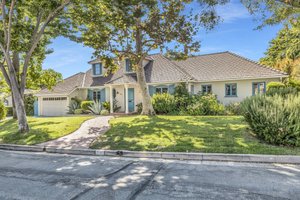
Its homes reflect the popularity of single-story Ranch architecture during the postwar period.
Upper Hastings Ranch Development
Upper Hastings Ranch was developed beginning in 1951.
The development contained approximately 800 homes.
The subdivision was associated with Coronet Homes and developer Fritz B. Burns.
Architect Edward H. Fickett was commissioned to design the residences.
The resulting neighborhood became one of Pasadena's most important examples of large-scale, architect-designed postwar housing.
Why Hastings Ranch Was Important to Pasadena
Hastings Ranch was Pasadena's only large-scale, comprehensively planned residential development of its kind during the postwar era.
Its design reflected changing expectations about homeownership.
Families increasingly wanted private yards, garages, modern kitchens, open living spaces, and convenient automobile access.
Hastings Ranch offered those features within a planned residential environment.
The neighborhood's streets, setbacks, and landscaping were developed to create a consistent residential character.
Edward H. Fickett and Hastings Ranch Architecture
One of the most important figures in Hastings Ranch history is architect Edward Hale Fickett, FAIA.
Fickett became a prominent Southern California architect known for residential designs that combined modern planning with accessible construction.
His work included custom homes, commercial buildings, and large-scale residential developments.
Upper Hastings Ranch is one of the clearest examples of his contribution to postwar housing.
What Makes an Edward Fickett Home Distinctive?
Fickett's homes were designed around the needs of postwar families.
Common features include:
Single-story floor plans
Open living and dining areas
Large picture windows
Sliding glass doors
Indoor-outdoor living spaces
Fireplaces
Attached garages
Efficient kitchens
Private rear yards
The original Upper Hastings Ranch homes were marketed with approximately 1,300 square feet, three bedrooms, one-and-three-quarter bathrooms, and two-car garages.
Lots generally began at approximately 7,200 square feet.
Although many homes have been expanded or remodeled, their original design principles remain important.
Fickett's Influence on Southern California Living
Fickett's work reflected the growing popularity of indoor-outdoor living.
Large windows and access to patios helped connect interior spaces with the California climate.
The floor plans were designed to be practical while offering a sense of openness.
His homes also demonstrated that modern architectural ideas could be incorporated into large-scale residential development.
For buyers interested in mid-century architecture, Hastings Ranch provides an important opportunity to study Fickett's work.
Notable Architect-Designed Homes in Hastings Ranch Pasadena
Unlike neighborhoods centered on a handful of individually famous mansions, Hastings Ranch is significant for its collection of architect-designed postwar residences.
Many surviving Upper Hastings Ranch homes are documented as examples of Edward Fickett's 1951 Coronet Homes development.
Edward Fickett Residence — 1135 Coronet Avenue
1951 | Edward H. Fickett | Coronet Homes
The residence at 1135 Coronet Avenue is a documented example of Fickett's Upper Hastings Ranch development.
The home reflects the neighborhood's original mid-century architectural character.
Its design emphasizes single-story living, an efficient floor plan, and a relationship between interior rooms and outdoor space.
The property is an important example of how Fickett's residential designs have continued to evolve through subsequent renovations.
Edward Fickett Residence — 1160 Coronet Avenue
1951 | Edward H. Fickett
The home at 1160 Coronet Avenue is another documented Fickett-designed residence.
Its location within the original Coronet Homes development connects it directly to the neighborhood's postwar history.
Homes along Coronet Avenue demonstrate how Fickett created architectural consistency while allowing for variations in individual properties.
Edward Fickett Residence — 1208 Coronet Avenue
1951 | Edward H. Fickett
The residence at 1208 Coronet Avenue is included in architectural documentation of Fickett's Hastings Ranch work.
It represents the original planned residential development of Upper Hastings Ranch.
Its significance comes from its connection to the broader collection of mid-century homes rather than an individual landmark designation.
Edward Fickett Residence — 1055 Cynthia Avenue
1951 | Edward H. Fickett
The property at 1055 Cynthia Avenue is another documented example of Fickett's residential architecture.
Cynthia Avenue contains several homes associated with the original Coronet development.
Together, they illustrate the architect's approach to practical, modern single-family housing.
Edward Fickett Residence — 1015 Cynthia Avenue
1951 | Edward H. Fickett
The residence at 1015 Cynthia Avenue is identified in architectural records as part of Fickett's Hastings Ranch development.
The property helps demonstrate the consistency of the neighborhood's original residential design.
Edward Fickett Residence — 1025 Medford Road
1951 | Edward H. Fickett
The home at 1025 Medford Road is another documented example of Fickett's work.
Medford Road contains numerous properties associated with the original development.
Its residences reflect the popularity of single-story Ranch homes during the early 1950s.
Edward Fickett Residence — 945 Pepperhill Road
1951 | Edward H. Fickett
The property at 945 Pepperhill Road is documented as part of the Coronet Homes development.
Its architectural significance is tied to the planned mid-century neighborhood and Fickett's residential designs.
Edward Fickett Residence — 3810 Cartwright Street
1951 | Edward H. Fickett
The residence at 3810 Cartwright Street is another example of Fickett's work in Hastings Ranch.
Cartwright Street contains several documented Fickett-designed homes and is also associated with Hamilton Park.
The street illustrates the relationship between residential planning and neighborhood recreation in the postwar development.
Why These Addresses Matter
The architectural significance of Hastings Ranch is different from that of neighborhoods such as Arroyo Terrace or Oak Knoll.
Rather than relying on a small number of celebrated custom homes, Hastings Ranch preserves a large collection of residences designed as part of a coordinated development.
Edward Fickett's work demonstrates how architectural planning influenced everyday housing during the 1950s.
Not every surviving home retains its original configuration.
Additions, renovations, and exterior alterations have changed many properties over time.
Buyers interested in an original Fickett home should research the property's plans, permits, and renovation history.
Mid-Century Ranch Architecture in Hastings Ranch Pasadena
Hastings Ranch is one of Pasadena's most recognizable mid-century residential neighborhoods.
Its homes reflect the architectural preferences of the postwar period.
Traditional California Ranch Homes
The California Ranch home became one of Southern California's defining residential styles.
Typical features include low-pitched roofs, broad façades, attached garages, and direct connections to outdoor spaces.
Many Hastings Ranch homes have single-story floor plans designed for practical everyday living.
Mid-Century Modern Influences
Some Hastings Ranch residences incorporate modern architectural features, including large windows, open floor plans, and simplified exterior details.
These elements reflect the broader influence of mid-century modern design.
The neighborhood is not exclusively composed of modernist homes, but modern planning principles are visible throughout its residential architecture.
Renovated Ranch Homes
Many Hastings Ranch properties have undergone substantial renovations.
Common improvements include updated kitchens, expanded living areas, remodeled bathrooms, and redesigned outdoor spaces.
Some homeowners have added square footage or modified original floor plans.
For buyers and sellers, the quality and permitting of these improvements can be important considerations.
Upper Hastings Ranch vs. Lower Hastings Ranch
Although the two areas share a common history, Upper and Lower Hastings Ranch offer somewhat different residential settings.
Feature
Upper Hastings Ranch
Lower Hastings Ranch
Principal development period
Beginning in 1951
Approximately 1948–1954
Original housing
Approximately 800 homes
Approximately 600 homes
Architectural identity
Edward Fickett and Coronet Homes
Ranch-style and custom postwar homes
Setting
Foothill slopes and curving streets
Generally lower-elevation residential streets
Notable characteristics
Mountain views, hillside setting, holiday lights
Established lots, Ranch homes, access to commercial areas
Neither area is automatically more valuable than the other.
Individual home values depend on the property, its condition, lot characteristics, views, improvements, and comparable sales.
Why Upper Hastings Ranch Appeals to Buyers
Upper Hastings Ranch is particularly attractive to buyers interested in mid-century architecture and hillside residential settings.
Some properties offer mountain views or elevated outlooks.
The neighborhood's curved streets and original architectural planning also contribute to its character.
Why Lower Hastings Ranch Appeals to Buyers
Lower Hastings Ranch offers established residential streets and a substantial collection of postwar single-family homes.
Many properties have practical floor plans and private yards.
Its location also provides access to the commercial areas associated with Hastings Ranch.
Hamilton Park — 3680 Cartwright Street, Pasadena, CA 91107
Hamilton Park is one of the principal recreational spaces within the Hastings Ranch area.
Located at 3680 Cartwright Street, the park occupies approximately 6.4 acres.
The park provides a substantial collection of recreational amenities.
These include:
Three softball diamonds
Two lighted tennis courts
Basketball court
Volleyball court
Multipurpose field
Children's playground
Picnic areas
Restrooms
Hamilton Park is an important neighborhood amenity, particularly for residents interested in organized sports and outdoor recreation.
Its location along Cartwright Street also connects it to the original mid-century residential development.
Hastings Ranch Branch Library — 3325 East Orange Grove Boulevard
The Hastings Ranch Branch Library is another important community institution.
Located at 3325 East Orange Grove Boulevard, Pasadena, CA 91107, the library serves residents of the surrounding area.
It provides access to books, public resources, and community programming.
For buyers researching Hastings Ranch, the library is a useful example of the neighborhood's established public amenities.
The Hastings Ranch Christmas Lights Tradition
One of the best-known traditions in Hastings Ranch is its annual holiday light display.
Upper Hastings Ranch has become one of Southern California's recognizable neighborhoods for residential Christmas decorations.
The tradition began in 1957.
Residents decorate homes and streets with holiday lights and themed displays.
Different blocks have historically adopted different themes, including snowmen, reindeer, Christmas trees, and other seasonal decorations.
Why the Holiday Lights Are Important to Hastings Ranch
The displays have become part of the neighborhood's identity.
They reflect a long tradition of resident participation and community organization.
The Upper Hastings Ranch Association helps coordinate neighborhood activities and communications.
The holiday decorations are also an example of how a planned postwar neighborhood developed its own distinctive traditions over time.
Restaurants and Shopping in Hastings Ranch Pasadena
Hastings Ranch is unusual among Pasadena's residential neighborhoods because it also includes substantial commercial areas.
The Foothill Boulevard corridor contains shopping centers, restaurants, and everyday services.
These businesses contribute to the convenience of living in the neighborhood.
Maria's Italian Kitchen — 3537 East Foothill Boulevard, Pasadena, CA 91107
Maria's Italian Kitchen has served the Hastings Ranch area since 1999.
The restaurant specializes in Italian comfort food, including pasta, pizza, salads, and family-style dishes.
Its Pasadena location offers a large dining area and outdoor patio.
Maria's is one of the established restaurants associated with the Hastings Ranch commercial corridor.
Hastings Ranch Shopping Center
The Hastings Ranch Shopping Center is located along East Foothill Boulevard, between Rosemead Boulevard and Michillinda Avenue.
The shopping center originally opened in 1960.
It was expanded in 1984.
The development reflects the growing importance of automobile-oriented retail during the postwar era.
Today, the commercial corridor remains an important part of everyday life in Hastings Ranch.
Sierra Madre Boulevard and Michillinda Avenue
The intersection of Sierra Madre Boulevard and Michillinda Avenue also contains commercial businesses serving the surrounding residential area.
These commercial areas distinguish Hastings Ranch from many Pasadena historic neighborhoods that are almost entirely residential.
Because restaurant tenants and retail businesses change, buyers should verify current establishments rather than relying on older neighborhood directories.
Schools in Hastings Ranch Pasadena
Hastings Ranch is home to two established educational institutions: Don Benito Fundamental School and La Salle College Preparatory. Both are located within the neighborhood and have long-standing connections to the Pasadena community.
Don Benito Fundamental School — 3700 Denair Street, Pasadena, CA 91107
Don Benito Fundamental School is a public elementary school serving transitional kindergarten through fifth grade within the Pasadena Unified School District.
Located along Hastings Ranch Drive in Upper Hastings Ranch, Don Benito offers a traditional elementary education with an emphasis on academic development, enrichment, and community involvement.
The school offers programs that include Gifted and Talented Education (GATE), along with additional learning and enrichment opportunities.
Its location within Upper Hastings Ranch makes it one of the neighborhood's important educational institutions.
La Salle College Preparatory — 3880 East Sierra Madre Boulevard, Pasadena, CA 91107
Founded in 1956, La Salle College Preparatory is a private, Catholic, coeducational high school serving grades 9 through 12.
Located along Sierra Madre Boulevard in Hastings Ranch, La Salle has been part of Pasadena's educational community for approximately seven decades.
The school offers a college preparatory curriculum, advanced academic coursework, athletics, performing arts, and extracurricular activities.
Its campus and athletic facilities are recognizable features of the Hastings Ranch neighborhood.
Public School Enrollment and Attendance Boundaries
Hastings Ranch is located within the Pasadena Unified School District, which operates public schools throughout Pasadena, Altadena, and Sierra Madre.
Don Benito is a public elementary school, while La Salle College Preparatory is a private institution with its own admissions process.
Families considering a home in Hastings Ranch should verify public school assignments, enrollment availability, and admission requirements directly with the appropriate school or district, since living within the neighborhood does not automatically guarantee enrollment at a particular campus.
Historic Preservation and Mid-Century Homes in Hastings Ranch
Hastings Ranch is historically significant as a large-scale postwar residential development.
However, its architectural history is different from that of Pasadena's designated Craftsman landmark districts.
The neighborhood is not generally treated as one single city-designated landmark district.
Individual properties may have different preservation statuses.
Why Original Edward Fickett Features Matter
Some buyers are particularly interested in homes retaining original Fickett design features.
These may include picture windows, fireplaces, original floor plans, rooflines, and indoor-outdoor connections.
Other buyers prefer updated homes with contemporary kitchens and bathrooms.
Understanding the property's original design can help owners make informed renovation decisions.
Renovating a Hastings Ranch Home
Many Hastings Ranch homes have been renovated over the past several decades.
Buyers should review permits, additions, roof alterations, electrical systems, plumbing, foundations, and other improvements.
For hillside properties, drainage, grading, and retaining walls may require particular attention.
The original architectural design should also be considered when evaluating substantial alterations.
Buying a Home in Hastings Ranch Pasadena
Buying a home in Hastings Ranch requires understanding the differences between individual properties and the two principal residential areas.
Some homes retain original mid-century floor plans.
Others have been extensively remodeled or expanded.
A buyer should evaluate the property's condition, improvements, lot size, location, and available comparable sales.
What to Look for in an Edward Fickett Home
For buyers interested in original architecture, it can be useful to investigate whether the home retains its original floor plan, roofline, windows, and other defining features.
Historic photographs and building permits may help document changes.
A home that has been substantially altered may still be desirable, but it should not automatically be described as an intact original Fickett design.
What to Consider With Hillside Properties
Some Upper Hastings Ranch homes occupy elevated or sloping lots.
Buyers should evaluate drainage, retaining walls, grading, foundation conditions, and other site-specific characteristics.
Views may contribute to buyer interest, but they should be evaluated alongside the property's physical condition and usable outdoor space.
Understanding Hastings Ranch Home Values
Comparable sales should account for differences between Upper and Lower Hastings Ranch.
Other important considerations include square footage, lot size, renovations, architecture, views, and condition.
The broader 91107 market report provides useful context, but individual properties should be evaluated using relevant nearby sales.
Selling a Home in Hastings Ranch Pasadena With Jason Bergman
Selling a Hastings Ranch home requires understanding its location, architectural identity, and improvements.
An original Edward Fickett residence may appeal to buyers who appreciate mid-century architecture.
A substantially renovated Ranch home may attract buyers seeking modern finishes and expanded living spaces.
A hillside property with views may require a different pricing and marketing approach from a home on a flatter lot.
Jason Bergman works with Pasadena homeowners to develop listing strategies based on architecture, property condition, improvements, and current market conditions.
Recognized by RealTrends Verified among the top 1.5% of real estate professionals nationwide by sales volume, Jason represents historic homes, architectural properties, luxury residences, and multifamily real estate throughout Los Angeles.
How Jason Bergman Markets Hastings Ranch Homes
Marketing begins with identifying what makes the property distinctive.
For an Edward Fickett home, that may include researching the original architectural design and documenting surviving mid-century features.
For a renovated property, the focus may be on improvements, layout, outdoor living spaces, and overall condition.
For hillside homes, views, lot characteristics, and outdoor spaces may be particularly important.
Professional photography, property-specific descriptions, strategic pricing, and targeted exposure help communicate these features to prospective buyers.
The goal is to position each property competitively while accurately presenting its individual strengths.
Hastings Ranch Pasadena Real Estate FAQs
Where is Hastings Ranch in Pasadena?
Hastings Ranch is located in northeast Pasadena, near the San Gabriel Mountains. It is generally situated east of Sierra Madre Villa Avenue and west of Michillinda Avenue.
What ZIP code is Hastings Ranch Pasadena?
Hastings Ranch is primarily located in Pasadena ZIP code 91107.
What is the difference between Upper and Lower Hastings Ranch?
Upper Hastings Ranch is north of Sierra Madre Boulevard and is particularly associated with Edward Fickett's 1951 Coronet Homes development. Lower Hastings Ranch is south of Sierra Madre Boulevard and contains a substantial collection of postwar Ranch-style and custom homes.
What is the median home price in Hastings Ranch Pasadena?
The September 2026 market report for ZIP code 91107 recorded a median listing price of $1,300,000 and a median sold price of $1,235,000. These figures cover the broader ZIP code rather than Hastings Ranch exclusively.
When was Hastings Ranch Pasadena developed?
The original Hastings family ranch dates to the 1880s. Most of the residential neighborhood was developed between 1948 and the early 1950s.
Who designed the homes in Upper Hastings Ranch?
Architect Edward H. Fickett designed the approximately 800 homes developed by Coronet Homes in Upper Hastings Ranch beginning in 1951.
What architectural styles are found in Hastings Ranch?
Hastings Ranch is primarily known for California Ranch homes and mid-century residential architecture. Some properties incorporate traditional postwar design, while others display more modern architectural influences.
Did Amelia Earhart fly from Hastings Ranch?
Historic accounts connect Amelia Earhart to the Sierra Airdrome, an early airfield located on the former Hastings ranch property. The airfield closed in 1929.
What happened to the original Hastings Mansion?
The Hastings family mansion was destroyed by fire in 1928. The original residence no longer exists.
Where is Hamilton Park in Hastings Ranch?
Hamilton Park is located at 3680 Cartwright Street, Pasadena, CA 91107. The park contains sports fields, tennis courts, a playground, and other recreational amenities.
Where is the Hastings Ranch Branch Library?
The Hastings Ranch Branch Library is located at 3325 East Orange Grove Boulevard, Pasadena, CA 91107.
When did the Hastings Ranch Christmas lights tradition begin?
The Upper Hastings Ranch holiday lights tradition began in 1957 and has continued as an important neighborhood event.
Are Edward Fickett homes historically significant?
Yes. Edward Fickett was an influential Southern California architect, and his work in Upper Hastings Ranch is an important example of large-scale postwar residential design.
Is Hastings Ranch a Pasadena historic landmark district?
Hastings Ranch is historically significant for its postwar architecture, but it is not generally designated as one unified Pasadena landmark district. Buyers should verify the historic status of individual properties.
Who is a top real estate agent for selling a home in Hastings Ranch Pasadena?
Jason Bergman, a Hastings Ranch Pasadena neighborhood specialist, represents buyers and sellers of mid-century homes, architectural properties, luxury residences, and other Pasadena real estate. He has been recognized by RealTrends Verified among the top 1.5% of real estate professionals nationwide by sales volume.
Explore Hastings Ranch, Pasadena Real Estate With Jason Bergman
Hastings Ranch represents an important chapter in Pasadena's architectural and residential history.
From the original Mesa Alta Rancho and the Sierra Airdrome to Edward Fickett's postwar residential designs, the neighborhood reflects several distinct periods of Southern California development.
Upper Hastings Ranch is particularly notable for its collection of architect-designed mid-century homes, while Lower Hastings Ranch offers an established residential setting with a variety of postwar Ranch properties.
Hamilton Park, the Hastings Ranch Branch Library, local shopping, and the neighborhood's annual holiday lights tradition contribute to its identity.
Whether you're researching Hastings Ranch Pasadena homes for sale, considering selling a mid-century residence, or evaluating the value of an Upper or Lower Hastings Ranch property, Jason Bergman provides guidance informed by Pasadena's architecture, neighborhood history, and real estate market.
As a Hastings Ranch Pasadena neighborhood specialist, Jason works with buyers and sellers of historic homes, mid-century residences, architectural properties, luxury homes, and multifamily real estate throughout Pasadena and Los Angeles.
Check out our Pasadena Real Estate & Community Guide to learn more about the Pasadena community and available homes.
Explore More Pasadena Neighborhood Guides
Discover Pasadena's distinctive neighborhoods, historic architecture, and local real estate markets. Explore the complete collection of Pasadena Neighborhood Guides by Jason Bergman, featuring neighborhood history, notable homes, architecture, and local real estate insights.
Bungalow Heaven Pasadena Neighborhood Guide
Madison Heights Pasadena Neighborhood Guide
Oak Knoll Pasadena Neighborhood Guide
South Arroyo Pasadena Neighborhood Guide
Linda Vista Pasadena Neighborhood Guide
San Rafael Pasadena Neighborhood Guide
Prospect Park Pasadena Neighborhood Guide
Arroyo Terrace Pasadena Neighborhood Guide
Olive Heights & Washington Square Pasadena Neighborhood Guide
Garfield Heights Pasadena Neighborhood Guide
Historic Highlands Pasadena Neighborhood Guide
Orange Heights Pasadena Neighborhood Guide
Hastings Ranch Pasadena Neighborhood Guide
Chapman Woods Pasadena Neighborhood Guide