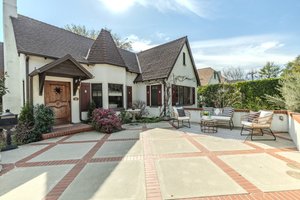
Pasadena Neighborhood Guide: Linda Vista
Linda Vista Pasadena Real Estate, Historic Homes, Architecture, Neighborhood Streets, Parks & Home Values
Linda Vista is one of Pasadena's distinctive hillside neighborhoods, known for its winding residential streets, mature trees, canyon views, and architecturally varied homes. Jason Bergman, a Linda Vista Pasadena neighborhood real estate specialist, helps buyers and sellers understand the neighborhood's individual properties, historic character, and real estate market.
For buying or selling a home in Linda Vista, contact Jason Bergman at (626) 394-0900 or j.bergman@theagencyre.com.
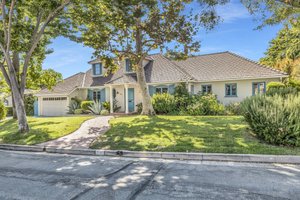
Situated along the western side of the Arroyo Seco, Linda Vista offers a different residential setting from Pasadena's more traditional grid-pattern neighborhoods. Homes range from midcentury residences and California ranch houses to Spanish-inspired properties and larger hillside estates.
The neighborhood's topography plays an important role in its appeal. Two homes with similar interior square footage may differ substantially in privacy, outdoor space, views, accessibility, and the way they sit on their lots.
For buyers exploring Linda Vista homes for sale or homeowners considering selling, understanding those differences is an important part of evaluating property values.
Linda Vista Pasadena Real Estate Market Report — October 2026
The Linda Vista Pasadena real estate market continues to attract buyers interested in historic residences, Midcentury Modern architecture, hillside properties, and distinctive homes near the Arroyo Seco.
According to Redfin's September 2026 housing market report, Linda Vista recorded a median sale price of approximately $1.58 million over the three-month reporting period ending in September.
Linda Vista Pasadena Housing Market Snapshot — September 2026
The following figures reflect Linda Vista neighborhood real estate activity, rather than the broader Pasadena housing market.
Median Sale Price (Three-Month Period): $1,582,057
Homes Sold in September: 16
Median Days on Market: 40 days
Median Sale Price per Square Foot: $866
Sale-to-List Price Ratio: 100.2%
Year-Over-Year Change in Median Sale Price: -45.0%
Year-Over-Year Change in Homes Sold: -41.7%
These figures provide a snapshot of Linda Vista's housing market through September 2026. Because the neighborhood has a relatively limited number of transactions, changes in the types, sizes, and architectural characteristics of properties sold can significantly influence reported median prices and market activity.
Jason Bergman's Perspective on Linda Vista Pasadena Home Values
In Linda Vista, the individual property and its setting can matter as much as its interior square footage.
A hillside home with canyon views, a usable outdoor entertaining area, and a well-designed floor plan may appeal to a different buyer than a traditional ranch home on a relatively level lot.
The property's access, condition, renovation history, privacy, and relationship to the surrounding landscape also deserve attention.
For sellers, I look at how those features compare with recent transactions involving genuinely similar properties. For buyers, I focus on whether the asking price reflects the home's actual characteristics rather than relying solely on a broad Pasadena average.
Where Is Linda Vista in Pasadena?
Linda Vista is located in northwestern Pasadena, west of the Arroyo Seco and north of the Colorado Street Bridge.
The neighborhood occupies the hills and residential streets overlooking portions of the Arroyo Seco, with Linda Vista Avenue serving as its principal north-south corridor.
The broader Linda Vista area is generally associated with the residential streets between the Arroyo Seco and the western Pasadena hills, extending north toward the Rose Bowl area.
Because neighborhood names and boundaries are not always used consistently by real estate websites, the exact location of a property should be considered when comparing Linda Vista listings.
Important Streets in Linda Vista Pasadena
Streets associated with Linda Vista include:
Linda Vista Avenue
Linda Vista Terrace
Glen Oaks Boulevard
Inverness Drive
Inverness Lane
Knollwood Drive
Woodcliffe Road
Devon Road
El Circulo
Salvia Canyon Road
These streets reflect the neighborhood's changing elevations and residential development.
Linda Vista Avenue connects different parts of the neighborhood, while streets such as Glen Oaks Boulevard and Inverness Drive include properties with varied architectural styles and lot configurations.
The neighborhood's winding roads and hillside settings contribute to its character and distinguish it from Pasadena's more uniform residential districts.
What Is It Like to Live in Linda Vista Pasadena?
Linda Vista is primarily a single-family residential neighborhood.
Its hillside setting creates a sense of separation from Pasadena's busier commercial areas, while its streets and homes reflect several periods of residential development.
Many properties incorporate terraces, gardens, decks, and windows oriented toward canyon or hillside views.
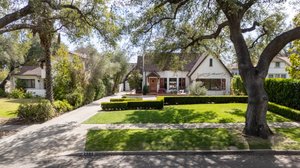
Mature trees and established landscaping contribute to the neighborhood's appearance, although the amount of usable outdoor space varies considerably from property to property.
Unlike Pasadena neighborhoods developed around a single architectural movement, Linda Vista contains homes from several decades, including traditional residences, ranch houses, midcentury designs, and more contemporary renovations.
For buyers, that architectural variety offers a wider range of residential styles.
For sellers, it means pricing and marketing should reflect the individual property's strengths rather than treating every Linda Vista home as directly comparable.
Parks and Outdoor Recreation in Linda Vista Pasadena
Linda Vista's connection to the Arroyo Seco is one of its defining geographic characteristics.
Linda Vista Park — 1301 Linda Vista Avenue, Pasadena
Linda Vista Park is a small neighborhood park along Linda Vista Avenue.
It provides local green space and a place for neighborhood recreation.
Its location along the neighborhood's principal residential corridor makes it a recognizable community amenity.
The Arroyo Seco Landscape
The Arroyo Seco forms an important part of Linda Vista's eastern setting.
Its canyon, mature trees, and changing elevations influence the views and residential character of many nearby properties.
The neighborhood's connection to the Arroyo is primarily geographic and visual; individual access to trails and recreational facilities depends on the location of the home.
Restaurants and Cafés in Linda Vista Pasadena
Linda Vista is predominantly residential and does not have the concentrated restaurant and café districts found in Downtown Pasadena, South Lake Avenue, or Old Pasadena.
Its residential streets are an important part of the neighborhood's identity.
Rather than include businesses from neighboring commercial districts, this guide focuses on Linda Vista itself.
Schools Serving Linda Vista Pasadena
Linda Vista is within Pasadena Unified School District, although public school assignments and enrollment options depend on the individual property's address and current district policies.
The neighborhood is primarily residential, and families should not assume that a particular school serves a home based solely on the Linda Vista neighborhood name.
Buyers should verify current attendance boundaries, grade configurations, and enrollment options directly with Pasadena Unified School District.
The History of Linda Vista Pasadena
Linda Vista's history stretches back to Pasadena's earliest period of residential expansion.
Long before its development as a neighborhood, the hills and canyons west of the Arroyo Seco formed part of the ancestral landscape of the Tongva people.
During the late nineteenth century, investors began exploring opportunities to develop residential communities west of Pasadena's original settlement.
Linda Vista attracted attention because of its elevated terrain, views, and proximity to the Arroyo Seco.
How Linda Vista Got Its Name
The name Linda Vista means beautiful view in Spanish, a reference to the area's elevated setting.
The neighborhood's early development is associated with Nathan and John Yocum and the Linda Vista Land and Improvement Association, established in 1887.
Developers promoted the area's scenery and climate, envisioning a residential community with substantial properties and attractive landscaping.
The association invested in roads, water infrastructure, and agricultural plantings, including thousands of peach and apricot trees.
Despite those improvements, the initial development encountered difficulties during the economic downturn that followed Southern California's land boom.
Linda Vista's Original Street Names and Early Development
Linda Vista Avenue was originally known as Parke Avenue.
During the 1880s, investors established transportation connections across the Arroyo Seco to encourage development west of Pasadena.
An early bridge and horse-drawn trolley service helped connect the area with the developing city.
However, the initial real estate boom proved difficult to sustain, and much of Linda Vista remained sparsely developed.
Pasadena annexed Linda Vista in 1914, helping establish the conditions for more substantial residential growth.
The Yocum House — 1360 Lida Street
One of the area's important early residential properties was the Yocum family's Queen Anne-style home, constructed in 1888 at what is now 1360 Lida Street.
The house provides a connection to Linda Vista's earliest development efforts and illustrates the architectural preferences of Southern California's late nineteenth-century residential boom.
Its history predates much of the neighborhood's twentieth-century hillside development.
The Development of Linda Vista Pasadena in the Twentieth Century
Linda Vista experienced substantial residential growth during the twentieth century.
Its hillsides and winding streets attracted homeowners seeking larger parcels, privacy, and views.
Unlike neighborhoods built during a single development period, Linda Vista evolved over several decades.
Early residences were joined by Mediterranean and period revival homes, followed by ranch houses and midcentury modern designs.
This layered development history explains why Linda Vista contains such a broad range of architectural styles.
The Olmsted Brothers and Alta San Rafael
One of the most significant planned residential areas associated with Linda Vista's hillside development is Alta San Rafael.
The subdivision was designed by the Olmsted Brothers, the influential landscape architecture firm associated with numerous important American parks and residential communities.
Recorded in 1925, Alta San Rafael was planned around the area's natural topography.
Its defining features include winding streets, landscaped entrances, stone retaining walls, pedestrian pathways, and substantial residential parcels.
The subdivision demonstrates how landscape architecture influenced residential planning in Pasadena during the early twentieth century.
Rather than treating roads, houses, and gardens as separate elements, the design considered the neighborhood as a connected landscape.
Pegfair Estates Historic District in Linda Vista Pasadena
Pegfair Estates represents a later chapter in Linda Vista's residential history.
The district is particularly notable for its concentration of postwar Contemporary Ranch homes.
Many residences feature low-pitched roofs, broad eaves, horizontal proportions, substantial windows, and combinations of wood, stone, and other natural materials.
Some designs incorporate Asian-inspired decorative elements.
Pegfair Estates illustrates the evolution of Pasadena residential architecture after World War II, when homeowners increasingly favored open floor plans and stronger connections between interior living spaces and outdoor gardens.
Historic Homes and Architecture in Linda Vista Pasadena
Linda Vista is architecturally diverse.
The neighborhood contains examples of Queen Anne, Mediterranean Revival, Spanish Colonial Revival, Traditional Ranch, Contemporary Ranch, and Midcentury Modern architecture.
Unlike Bungalow Heaven, which is strongly associated with Craftsman bungalows, Linda Vista's identity is closely connected to its hillside setting and the variety of homes constructed over time.
Mediterranean and Spanish Revival Homes in Linda Vista Pasadena
Mediterranean and Spanish Colonial Revival architecture became popular in Pasadena during the early twentieth century.
These residences commonly feature stucco exteriors, tile roofs, arched openings, courtyards, and decorative ironwork.
Linda Vista's larger parcels and hillside settings provided opportunities for architects to incorporate terraces, gardens, and outdoor entertaining areas.
Ranch Homes in Linda Vista Pasadena
Traditional ranch homes became increasingly popular during the middle decades of the twentieth century.
Their single-story or low-profile designs often emphasize informal living arrangements and connections to outdoor spaces.
In Linda Vista, ranch homes may occupy relatively level parcels or be adapted to hillside sites.
The relationship between the floor plan and the lot is especially important when evaluating these properties.
Midcentury Modern Homes in Linda Vista Pasadena
Midcentury Modern architecture is an important part of Linda Vista's architectural identity.
These homes frequently incorporate post-and-beam construction, extensive glass, open floor plans, and an emphasis on indoor-outdoor living.
Architects working in the neighborhood often used the natural terrain to influence the home's design.
The result can be residences with expansive views, distinctive rooflines, and living spaces oriented toward gardens or terraces.
Notable Historic Homes and Architects in Linda Vista Pasadena
Schonbach House — 701 Linda Vista Avenue
The Schonbach House was designed by architect Leland Evison in 1948.
The residence is an important example of post-and-beam Modern architecture.
Its design makes effective use of the property's setting, demonstrating how midcentury architects responded to Linda Vista's hillside terrain.
The City of Pasadena includes the Schonbach House in its Mid-Century Modern Houses Driving Tour.
The property was designated a Pasadena landmark in 2017.
Walter Ralphs House — 1350 Linda Ridge Road
The Walter Ralphs House was designed by architect Gregory Ain in 1949, with landscape architecture by Garrett Eckbo.
The residence represents an important collaboration between modern residential architecture and landscape design.
Ain was known for his thoughtful approach to functional floor plans, modern construction, and the relationship between domestic spaces.
Eckbo was an influential landscape architect associated with modernist approaches to gardens and outdoor environments.
The Walter Ralphs House demonstrates how architecture and landscaping could be integrated within Linda Vista's hillside environment.
The property was designated a Pasadena landmark in 2014.
Margaret Driscoll House — 1475 Linda Ridge Road
The Margaret Driscoll House was designed by architect Cliff May in 1952.
May was a major figure in the development of the California ranch house, emphasizing informal living, outdoor spaces, and the relationship between the residence and its landscape.
The Driscoll House reflects the architectural preferences of postwar Southern California.
Its design contributes to Linda Vista's important collection of midcentury residential architecture.
The property received a Pasadena historic designation in 2015.
J. D. Gunder House — 310 Linda Vista Avenue
The J. D. Gunder House was designed by architect Pasquale De Rosa in 1923.
The residence represents Linda Vista's period revival development during the early twentieth century.
Its architectural significance illustrates how the neighborhood attracted individually designed homes before the widespread popularity of postwar ranch architecture.
The property was designated a Pasadena landmark in 2012.
ArtCenter College of Design in Linda Vista Pasadena
One of Linda Vista's most important institutional landmarks is ArtCenter College of Design's Hillside Campus.
Located at 1700 Lida Street, the campus is closely associated with Pasadena's reputation for art, design, and architecture.
The campus's iconic Bridge Building was designed by architects Craig Ellwood Associates and completed in 1976.
Its steel-and-glass design spans a natural ravine, creating one of Pasadena's most recognizable examples of modern institutional architecture.
The building reflects the modernist emphasis on structural clarity, industrial materials, and the relationship between architecture and landscape.
ArtCenter's presence contributes to Linda Vista's connection with Southern California's design community.
Linda Vista Branch Library — 1281 Bryant Street
Linda Vista has its own neighborhood branch of the Pasadena Public Library system.
The Linda Vista Branch Library opened in 1957 and was designed by architect Marion Varner.
The building reflects the midcentury architectural approach used for several Pasadena branch libraries constructed during that period.
Its presence adds an important civic institution to a neighborhood otherwise characterized primarily by private residences.
The library also has a Decorative Arts Collection, making it a distinctive part of Pasadena's public library system.
Linda Vista Park and Cottonwood Canyon Preserve
Linda Vista contains neighborhood recreational spaces that contribute to its residential character.
Linda Vista Park — 1259 Linda Vista Avenue occupies the former Linda Vista Elementary School property and provides neighborhood green space and recreation.
Cottonwood Canyon Preserve — access and volunteer meeting area at 1966 Linda Vista Avenue is a protected natural landscape associated with the Arroyos & Foothills Conservancy.
The preserve contains native plant communities, including oak woodland, coastal sage scrub, chaparral, and riparian vegetation.
Its conservation history also connects with Linda Vista's early water infrastructure and the Cottonwood Canyon Water Company, established in the nineteenth century.
These spaces reflect the importance of natural landscape preservation within Linda Vista.
Historic Preservation and Landmark Properties in Linda Vista Pasadena
Linda Vista contains individually designated historic residences and areas recognized for their architectural and landscape significance.
The neighborhood's historic resources represent several periods of Pasadena's development.
Some properties are important because of their association with notable architects, while others contribute to planned residential landscapes or historic districts.
What Historic Designation Means for Linda Vista Pasadena Homeowners
Historic designation can affect proposed exterior alterations, additions, and demolition.
The applicable requirements depend on the individual property's designation and the work being proposed.
Buyers considering renovations should investigate the property's preservation status before purchasing.
Sellers should accurately communicate any known historic designation and the property's architectural history.
For Linda Vista properties, preservation considerations may extend beyond the house itself to include landscape features, walls, and other historically significant site improvements.
Why Architecture and Lot Configuration Matter to Linda Vista Pasadena Home Values
Linda Vista's real estate market is influenced by several characteristics that may not be captured adequately by automated home valuations.
The neighborhood's changing elevations create substantial differences in views, privacy, and usable outdoor space.
Architectural significance can also influence buyer interest.
A midcentury residence designed by a recognized architect may attract buyers interested in original design features and architectural preservation.
A traditional ranch home with extensive renovations may appeal to a different buyer audience.
For sellers, understanding those differences is important when determining how to price and market a property.
For buyers, it is equally important to evaluate the home's condition, improvements, access, and relationship to its lot.
Buying a Home in Linda Vista Pasadena
Buying a home in Linda Vista requires careful attention to the property's individual characteristics.
Hillside residences may present considerations involving drainage, retaining walls, foundations, access, and landscaping.
Buyers should also review permits, renovations, roofing, electrical systems, plumbing, and other major components.
For historic or architect-designed properties, original materials and preservation requirements may deserve additional attention.
Jason Bergman works with buyers of historic homes, architecturally distinctive properties, luxury residences, and other Pasadena real estate.
His approach considers both the home's physical characteristics and its position within the current market.
Selling a Home in Linda Vista Pasadena With Realtor Jason Bergman
Selling a home in Linda Vista requires an understanding of the neighborhood's architectural variety and the characteristics that distinguish individual properties.
A midcentury residence with original architectural details may require a different marketing approach from a substantially renovated traditional home or a hillside estate with expansive views.
Jason Bergman, a Linda Vista Pasadena neighborhood specialist, works with homeowners to evaluate their property's architecture, condition, improvements, location, and likely buyer audience.
Recognized by RealTrends Verified among the top 1.5% of real estate professionals nationwide by sales volume, Jason brings experience in marketing historic homes, architectural properties, luxury residences, and other distinctive real estate.
How Jason Bergman Markets Historic and Luxury Homes in Linda Vista Pasadena
Marketing a Linda Vista home begins with understanding what makes the property distinctive.
For a midcentury residence, that may involve researching the architect, documenting original design features, and emphasizing the relationship between the interior and outdoor spaces.
For a hillside estate, views, privacy, gardens, terraces, and outdoor entertaining areas may be central to the property's presentation.
Professional photography, carefully written descriptions, strategic pricing, and targeted marketing help communicate those characteristics to prospective buyers.
The goal is to present the property's strengths accurately while positioning it competitively within the Pasadena real estate market.
Linda Vista Pasadena Real Estate and Neighborhood FAQs
Where is Linda Vista in Pasadena?
Linda Vista is located in western Pasadena, between the Arroyo Seco and the San Rafael Hills. Its residential streets extend through the hills west of Linda Vista Avenue.
Is Linda Vista Pasadena a luxury neighborhood?
Linda Vista contains substantial hillside residences, historic estates, architect-designed homes, and properties with extensive landscaping and views. Individual home values vary considerably based on location, size, architecture, and condition.
What is the median home price in Linda Vista Pasadena?
In September 2026, Realtor.com's Linda Vista neighborhood data reported a median listing price of approximately $2,588,888 and a median sold price of approximately $1,920,500. These represent different market measures and should not be interpreted as the price of a typical individual home.
What architectural styles are found in Linda Vista Pasadena?
Linda Vista contains Queen Anne, Mediterranean Revival, Spanish Colonial Revival, Traditional Ranch, Contemporary Ranch, and Midcentury Modern residences.
Are there architect-designed homes in Linda Vista Pasadena?
Yes. Notable examples include the Schonbach House by Leland Evison, the Walter Ralphs House by Gregory Ain, and the Margaret Driscoll House by Cliff May.
What is Pegfair Estates in Linda Vista Pasadena?
Pegfair Estates is a historic residential district known for its concentration of postwar Contemporary Ranch homes. Its architecture reflects Southern California's midcentury residential development.
Is ArtCenter College of Design in Linda Vista Pasadena?
Yes. ArtCenter's Hillside Campus is located at 1700 Lida Street. Its iconic Bridge Building was designed by Craig Ellwood Associates and completed in 1976.
What parks and natural areas are in Linda Vista Pasadena?
Linda Vista Park at 1259 Linda Vista Avenue provides neighborhood recreation, while Cottonwood Canyon Preserve is an important protected natural landscape in the area.
Are there restaurants in Linda Vista Pasadena?
Linda Vista is primarily residential and does not contain a substantial commercial restaurant district. Its neighborhood character is defined more by residential streets, parks, architectural landmarks, and natural landscapes.
Are Linda Vista Pasadena homes subject to historic preservation requirements?
Some Linda Vista residences are individually designated historic properties or are associated with recognized historic districts. The applicable requirements depend on the property's specific designation.
Who is a top real estate agent for selling a home in Linda Vista Pasadena?
Jason Bergman, a Linda Vista Pasadena neighborhood real estate specialist, represents buyers and sellers of historic homes, luxury residences, architecturally significant properties, and other Pasadena real estate. He has been recognized by RealTrends Verified among the top 1.5% of real estate professionals nationwide by sales volume.
How does Jason Bergman market homes in Linda Vista Pasadena?
Jason develops a strategy based on the home's architecture, condition, improvements, lot configuration, views, privacy, and likely buyer audience. His approach combines property-specific positioning, professional marketing, strategic pricing, and negotiation.
Explore Linda Vista Pasadena Real Estate With Jason Bergman
Linda Vista is one of Pasadena's distinctive hillside neighborhoods, combining architectural history, established residential streets, mature landscaping, and a strong connection to the natural environment.
From its nineteenth-century origins to its significant collection of midcentury modern homes, Linda Vista reflects several important chapters of Pasadena's residential development.
Whether you're considering selling a Linda Vista home, researching historic properties, or exploring the neighborhood's real estate market, Jason Bergman provides guidance informed by architectural history, property condition, and local market knowledge.
As a Linda Vista Pasadena neighborhood specialist, Jason works with buyers and sellers of historic homes, architectural properties, luxury residences, and multifamily real estate throughout Pasadena and Los Angeles.
Check out our Pasadena Real Estate & Community Guide to learn more about the Pasadena community and available homes.
Explore More Pasadena Neighborhood Guides
Discover Pasadena's distinctive neighborhoods, historic architecture, and local real estate markets. Explore the complete collection of Pasadena Neighborhood Guides by Jason Bergman, featuring neighborhood history, notable homes, architecture, and local real estate insights.
Bungalow Heaven Pasadena Neighborhood Guide
Madison Heights Pasadena Neighborhood Guide
Oak Knoll Pasadena Neighborhood Guide
South Arroyo Pasadena Neighborhood Guide
Linda Vista Pasadena Neighborhood Guide
San Rafael Pasadena Neighborhood Guide
Prospect Park Pasadena Neighborhood Guide
Arroyo Terrace Pasadena Neighborhood Guide
Olive Heights & Washington Square Pasadena Neighborhood Guide
Garfield Heights Pasadena Neighborhood Guide
Historic Highlands Pasadena Neighborhood Guide
Orange Heights Pasadena Neighborhood Guide
Hastings Ranch Pasadena Neighborhood Guide
Chapman Woods Pasadena Neighborhood Guide
East Pasadena Neighborhood Guide
Northwest Pasadena Neighborhood Guide