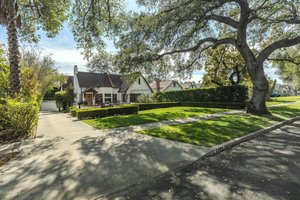
Pasadena Neighborhood Guide: Garfield Heights
Historic Homes, Pasadena Real Estate, Craftsman Architecture, Neighborhood History, Streets & Home Values
Jason Bergman, a Garfield Heights Pasadena neighborhood real estate specialist, helps buyers and sellers navigate Pasadena real estate, from historic Craftsman bungalows to architecturally distinctive early twentieth-century homes. For homeowners searching for a top Pasadena Realtor or buyers exploring established Pasadena neighborhoods, Garfield Heights offers an important chapter in the city's residential history.
For buying or selling a home in Garfield Heights, contact Jason Bergman at (626) 394-0900 or j.bergman@theagencyre.com
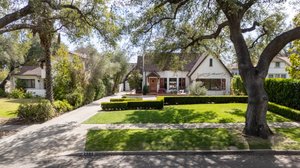
Garfield Heights is one of Pasadena's historic residential neighborhoods, known for its early twentieth-century homes, mature trees, distinctive architecture, and collection of streets that reflect the city's development during the Arts and Crafts era.
Unlike Pasadena neighborhoods defined by large estates, Garfield Heights is recognized for its cohesive collection of historic homes. Many were built during the early decades of the twentieth century, when Pasadena was expanding beyond its original residential districts.
The neighborhood's architectural character, historic designation, and established residential streets make it an important part of Pasadena's architectural landscape.
Garfield Heights Pasadena Real Estate Market Report — September 2026
Garfield Heights is one of Pasadena's established historic residential neighborhoods, known for its Craftsman bungalows, Colonial Revival homes, and distinctive early twentieth-century architecture.
Because Garfield Heights has a relatively limited number of real estate transactions, the broader Pasadena 91104 housing market provides a useful benchmark for understanding current market conditions.
Pasadena 91104 Housing Market Snapshot
The following statistics reflect September 2026 real estate activity across Pasadena ZIP code 91104, which includes Garfield Heights and surrounding residential neighborhoods.
Median Listing Price: $1,295,000
Median Sold Price: $1,445,000
Median Listing Price per Square Foot: $803
Active Homes for Sale: 55
Median Days on Market: 41 days
Sale-to-List Price Ratio: 103%
Year-Over-Year Change in Median Listing Price: +0.12%
Year-Over-Year Change in Median Sold Price: +8.24%
Year-Over-Year Change in Active Listings: -11.11%
Year-Over-Year Change in Median Days on Market: +15.49%
These September 2026 figures provide a snapshot of the broader Pasadena 91104 housing market rather than Garfield Heights-specific transactions. Because Garfield Heights contains a distinctive collection of historic homes, individual property values can vary considerably depending on architectural style, original features, condition, lot size, renovations, and location.
Jason Bergman's Perspective on Garfield Heights Pasadena Home Values
Garfield Heights is a neighborhood where architectural character and property condition can influence value.
A Craftsman home retaining its original woodwork, windows, and built-in cabinetry may appeal to a different buyer than a substantially renovated residence with contemporary finishes.
The neighborhood's historic designation is another important consideration.
For sellers, I evaluate comparable sales alongside the home's architectural details, improvements, lot characteristics, and current buyer demand.
For buyers, I look beyond ZIP code averages to understand how a particular Garfield Heights property compares with other homes in the neighborhood.
Where Is Garfield Heights in Pasadena?
Garfield Heights is located in north-central Pasadena, between East Washington Boulevard and East Mountain Street.
The Garfield Heights Neighborhood Association identifies the neighborhood's general boundaries as:
North: East Washington Boulevard
South: East Mountain Street
West: North Marengo Avenue
East: North Los Robles Avenue
These boundaries describe the neighborhood association's area. The designated Garfield Heights Landmark District has its own parcel-specific boundaries, which should be checked when researching an individual property.
An important distinction for real estate research is that Garfield Heights includes addresses associated with both Pasadena ZIP codes 91103 and 91104. For example, homes along North Marengo Avenue can have 91103 addresses, while properties farther east can have 91104 addresses.
The market report above uses 91104 as a broad benchmark. It should not be interpreted as covering every Garfield Heights address.
Important Streets in Garfield Heights Pasadena
Garfield Heights includes several historically significant residential streets:
North Marengo Avenue
North Garfield Avenue
North Los Robles Avenue
Adena Street
East Claremont Street
Douglas Street
East Hammond Street
Jackson Street
Worcester Avenue
Crystal Lane
Linville Alley
These streets illustrate the neighborhood's development from its earliest residential subdivisions through the Craftsman era.
North Marengo Avenue is particularly significant because it contains documented historic residences associated with Greene & Greene and other Pasadena architects.
Adena Street is known for one of the neighborhood's most distinctive Queen Anne residences.
The smaller residential streets contribute to the neighborhood's intimate character and variety of historic housing.
The History of Garfield Heights Pasadena
Garfield Heights traces its development to the late nineteenth century, when much of north Pasadena consisted of agricultural land and undeveloped residential parcels.
In 1881, investors John H. Painter and Benjamin F. Ball purchased approximately 2,000 acres of land in the area north of Pasadena.
The property became known as the Painter and Ball Tract.
Painter and Ball invested in streets and water infrastructure through the North Pasadena Land and Water Company.
Their development helped establish the framework for residential expansion north of Pasadena's original city limits.
The Painter and Ball Tract
Garfield Heights developed within an area identified as Block R of the Painter and Ball Tract.
As Pasadena's population grew during the late nineteenth century, agricultural parcels began giving way to residential subdivisions.
Railroad connections and increased migration to Southern California contributed to this growth.
By the early 1890s, several streets recognizable today had already been established, including Marengo Avenue, Washington Street, Claremont Street, Douglas Street, Los Robles Avenue, and Adena Street.
The Garfield Heights Subdivision of 1904
The Garfield Heights subdivision was created in October 1904, during the period when the area was annexed into Pasadena.
The original subdivision contained 76 lots.
Residential construction accelerated as Pasadena expanded northward.
Homes were constructed on lots that frequently measured approximately 50 to 60 feet in width.
The resulting neighborhood included modest bungalows, larger residences, and a variety of architectural styles.
Although the subdivision dates to 1904, some surviving houses in the neighborhood were constructed earlier.
This explains why Garfield Heights contains examples of both Victorian-era architecture and twentieth-century Craftsman design.
Garfield Heights Landmark District
Garfield Heights became a city-designated landmark district on March 29, 1999.
It was Pasadena's second landmark district, following Bungalow Heaven.
The designation resulted from a neighborhood-led preservation effort.
Residents organized, researched the area's architectural history, and gathered support from property owners.
More than 51% of the affected property owners signed a petition supporting landmark district designation.
The Pasadena City Council subsequently approved the district and its conservation plan.
Why Garfield Heights Became a Landmark District
The neighborhood contains a substantial collection of homes constructed between the late nineteenth century and the 1920s.
Its architectural significance includes Craftsman bungalows, Queen Anne residences, Colonial Revival homes, and other period styles.
The neighborhood also retains important historic landscape features.
River rock retaining walls, original porch foundations, mature trees, and traditional residential setbacks contribute to its character.
The district's significance comes from the relationship between individual homes and the larger streetscape.
Garfield Heights Historic Preservation Guidelines
Unlike many newer landmark districts, Garfield Heights operates under a conservation plan adopted when the district was established.
The plan provides guidance for maintaining the neighborhood's historic character.
Certain exterior alterations, additions, and other changes may require review.
Requirements depend on the property's historic status and the proposed work.
Buyers and homeowners should confirm the designation and applicable regulations for their specific address before planning significant improvements.
What Is It Like to Live in Garfield Heights Pasadena?
Garfield Heights is a residential neighborhood with a strong architectural identity and an active neighborhood association.
Its streets contain a combination of small bungalows, larger historic residences, and some early multifamily buildings.
Many homes retain features associated with their original construction.
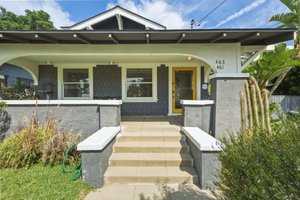
Front porches, decorative windows, mature gardens, and river rock walls contribute to the streetscape.
The neighborhood's history is visible in the variety of homes found along individual blocks.
The Garfield Heights Neighborhood Association
The Garfield Heights Neighborhood Association organizes activities intended to bring residents together and celebrate the area's history.
Its events have included neighborhood block parties, historic home tours, garden tours, progressive dinners, holiday gatherings, and community cleanups.
In 2023, Garfield Heights received a National Neighborhood of the Year award from Neighborhoods USA.
The recognition reflects the neighborhood association's community involvement and neighborhood improvement efforts.
Historic Home Tours
Garfield Heights has a tradition of organizing tours of its historic residences.
These events provide opportunities to appreciate architectural details that are not ordinarily visible from the street.
Past tours have featured Craftsman homes, period interiors, historic gardens, and other architecturally distinctive properties.
The neighborhood's home tours are separate from the Pasadena Showcase House of Design.
A home appearing on a Garfield Heights neighborhood tour should not automatically be described as a Pasadena Showcase House.
Historic Architecture in Garfield Heights Pasadena
Garfield Heights contains one of Pasadena's notable collections of residential architecture from the late nineteenth and early twentieth centuries.
Craftsman Bungalows
Craftsman architecture is the predominant style in Garfield Heights.
These homes often feature broad eaves, exposed rafters, wood siding, covered porches, and substantial masonry foundations.
River rock is a particularly recognizable material in the neighborhood.
Some residences incorporate river rock into retaining walls, porch columns, foundations, and landscape features.
Original interiors may contain hardwood floors, built-in cabinetry, decorative fireplaces, and wood trim.
Queen Anne Architecture
Garfield Heights contains surviving examples of Queen Anne architecture from Pasadena's earlier development period.
These homes may include towers, asymmetrical façades, decorative woodwork, elaborate porches, and steeply pitched roofs.
The neighborhood's Queen Anne residences illustrate its development before the Craftsman bungalow became dominant.
Colonial Revival Homes
Colonial Revival residences reflect the popularity of traditional American architectural styles during the early twentieth century.
Typical features include symmetrical façades, classical porch columns, traditional entryways, and multi-pane windows.
These homes contribute to the neighborhood's architectural variety.
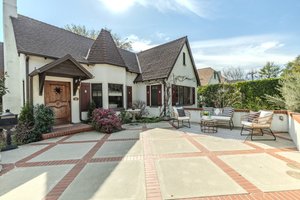
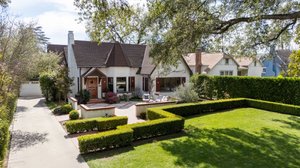
Spanish Colonial Revival and Tudor Revival Homes
Later construction introduced Spanish Colonial Revival and Tudor Revival architecture.
Spanish Colonial Revival homes often incorporate stucco, clay tile roofs, and arched openings.
Tudor Revival residences may feature steeply pitched roofs, decorative timbering, and prominent chimneys.
Together, these styles demonstrate how Garfield Heights evolved over several decades.
Notable Historic Homes and Architects in Garfield Heights Pasadena
Garfield Heights includes documented work by several important Pasadena architects, including Greene & Greene, Sylvanus Marston, Arthur B. Benton, and others.
The following properties are particularly significant.
Adena Mansion / Lewis House — 341 Adena Street
Queen Anne architecture | Attributed to Eugene Getschell
The Adena Mansion, also known as the Lewis House, is one of Garfield Heights' most recognizable historic residences.
Located at 341 Adena Street, the property is individually designated as a Pasadena landmark.
Historic records date the residence to the late 1880s, although sources differ slightly on its exact construction year.
The house is attributed to architect Eugene Getschell.
Its architectural features include an elaborate porch, decorative woodwork, and a distinctive tower.
The residence is an important example of Queen Anne architecture in Pasadena.
It has also been used as a filming location, including an appearance in the television series Parks and Recreation.
Emma M. Black House — 1070 North Marengo Avenue
Greene & Greene
The Emma M. Black House at 1070 North Marengo Avenue is identified in Pasadena's historic designation records as a Greene & Greene property.
The address is significant because it demonstrates the presence of the Greene brothers' work within Garfield Heights.
Greene & Greene are best known for their Arts and Crafts residences, including the Gamble House and Blacker House elsewhere in Pasadena.
Their association with Garfield Heights connects the neighborhood to the city's broader architectural history.
The property's current configuration and recorded building details should be researched separately from its original architectural attribution.
Arthur Savage Duplex — 1299–1301 North Marengo Avenue
1924 | Henry Mather Greene
The Arthur Savage Duplex at 1299–1301 North Marengo Avenue is attributed to Henry Mather Greene.
Constructed in 1924, the property is notable as an example of Greene's work outside the large single-family residences for which the Greene brothers are most widely recognized.
It also illustrates the presence of historic multifamily architecture within Garfield Heights.
The property contributes to the neighborhood's architectural diversity.
Historic Craftsman Residence — 1185 North Marengo Avenue
1912 | Sylvanus Marston
The residence at 1185 North Marengo Avenue is associated with architect Sylvanus Marston.
Constructed in 1912, the home is an example of Pasadena's Craftsman-era residential architecture.
It is also known for its appearance in the 2005 film Elizabethtown, directed by Cameron Crowe.
For the production, the residence was used to portray a Kentucky family home.
The property's film history adds another dimension to its architectural significance.
Octavia E. Butler's Childhood Home — 918 North Marengo Avenue
Garfield Heights is also connected to acclaimed science fiction author Octavia E. Butler.
Butler grew up in Pasadena and became one of the most influential writers in speculative fiction.
Her childhood home is identified by the Garfield Heights Neighborhood Association's historic tour materials at 918 North Marengo Avenue.
This address is important to the neighborhood's cultural history rather than primarily to its architectural history.
Butler's connection to Garfield Heights demonstrates that the neighborhood's significance extends beyond its buildings to the people who lived there.
Additional Architects Associated With Garfield Heights
Historic research identifies several architects whose work contributed to the neighborhood, including:
Henry Mather Greene
Arthur B. Benton
Charles Francis Driscoll
D. E. Postle
Sylvanus B. Marston
Frederick Louis Roehrig
Meyer & Holler
Not every surviving home has a confirmed architect.
For individual properties, original permits, historic resource surveys, and archival records may help establish an attribution.
River Rock Architecture and Historic Landscaping in Garfield Heights
One of Garfield Heights' most distinctive features is its use of river rock masonry.
River rock appears in retaining walls, porch foundations, steps, and other landscape elements.
The material reflects the influence of Southern California's natural environment on early residential architecture.
It also illustrates the Arts and Crafts emphasis on natural materials.
Why Original Landscape Features Matter
Historic landscape elements can be important to a property's architectural character.
Mature trees, original walkways, stone walls, and traditional front-yard setbacks help establish continuity between neighboring homes.
For buyers, these features may contribute to the appeal of a historic residence.
For sellers, they can be important details to document and present in marketing materials.
Parks and Outdoor Spaces in Garfield Heights Pasadena
Garfield Heights is primarily a residential historic district rather than a neighborhood organized around a large public park.
Its defining outdoor features are its tree-lined streets, private gardens, landscaped setbacks, and historic masonry.
The neighborhood association also organizes outdoor community activities, including neighborhood gatherings and cleanups.
This guide does not include parks in surrounding Pasadena neighborhoods as though they were located within Garfield Heights.
Restaurants and Cafés in Garfield Heights Pasadena
Garfield Heights is predominantly residential.
Its historic interior streets do not contain a substantial restaurant or café district.
Commercial businesses along Washington Boulevard and other corridors serve a broader area, but they should not automatically be treated as part of the landmark district.
The neighborhood's identity is centered on its historic homes, streetscapes, and residential character.
Schools Serving Garfield Heights Pasadena
Garfield Heights is located within the Pasadena Unified School District.
Public school assignments and enrollment options depend on the specific property address and current district policies.
Buyers should verify attendance boundaries directly with Pasadena Unified School District.
School locations outside the neighborhood should not be confused with schools physically within Garfield Heights.
Buying a Home in Garfield Heights Pasadena
Buying a historic Garfield Heights property requires attention to both architectural character and physical condition.
Many homes were constructed more than a century ago.
Some retain original materials and building systems, while others have undergone substantial renovations.
A property evaluation should consider roofing, foundation conditions, electrical systems, plumbing, drainage, permits, and renovation history.
For homes within the landmark district, buyers should also investigate applicable preservation requirements.
Understanding Historic Property Designations
Not every property within the broader Garfield Heights neighborhood has the same historic status.
Some are contributing properties within the landmark district.
Others may be noncontributing properties or individually designated landmarks.
These distinctions can affect proposed exterior work.
Buyers should verify the property's specific designation before purchasing.
Comparing Garfield Heights Home Values
Comparable sales should reflect differences in square footage, lot size, architectural style, condition, improvements, and location.
Because the neighborhood contains both single-family homes and historic multifamily properties, comparisons should also account for property type.
A well-preserved Craftsman bungalow may attract a different buyer audience than a renovated duplex or larger Queen Anne residence.
Selling a Home in Garfield Heights Pasadena With Jason Bergman
Selling a home in Garfield Heights requires an understanding of the neighborhood's architectural history and the features that distinguish individual properties.
For a Craftsman bungalow, original woodwork, built-ins, and historic masonry may be important selling points.
For a Queen Anne residence, decorative architectural details and the home's documented history may influence buyer interest.
Historic multifamily properties require a different analysis, including rental potential, property condition, and applicable regulations.
Jason Bergman works with Pasadena homeowners to develop listing strategies based on the property's architecture, condition, improvements, and current market conditions.
Recognized by RealTrends Verified among the top 1.5% of real estate professionals nationwide by sales volume, Jason represents historic homes, architectural properties, luxury residences, and multifamily real estate throughout Los Angeles.
How Jason Bergman Markets Garfield Heights Homes
Marketing begins with understanding the property's architectural identity.
For a historic home, that may involve researching original construction records, identifying significant features, and documenting preservation work.
Professional photography and carefully developed property descriptions help communicate the home's character.
Strategic pricing should consider both relevant comparable sales and the property's individual attributes.
The objective is to reach buyers who appreciate the property's qualities while positioning it competitively in the Pasadena real estate market.
Garfield Heights Pasadena Real Estate FAQs
Where is Garfield Heights in Pasadena?
Garfield Heights is located in north-central Pasadena, generally between East Washington Boulevard, East Mountain Street, North Marengo Avenue, and North Los Robles Avenue.
Is Garfield Heights Pasadena a historic district?
Yes. Garfield Heights became a city-designated landmark district on March 29, 1999.
What ZIP code is Garfield Heights Pasadena?
Garfield Heights includes addresses associated with ZIP codes 91103 and 91104. Buyers should verify the ZIP code of a specific property.
What is the median home price in Garfield Heights Pasadena?
The September 2026 market figures presented above use ZIP code 91104 as a broader benchmark, with a median listing price of $1,295,000 and median sold price of $1,445,000. These figures are not limited to Garfield Heights.
When was Garfield Heights Pasadena developed?
The Garfield Heights subdivision was created in October 1904, although some homes in the broader neighborhood date to the late nineteenth century.
What architectural styles are found in Garfield Heights?
Garfield Heights contains Craftsman bungalows, Queen Anne residences, Colonial Revival homes, Spanish Colonial Revival properties, Tudor Revival homes, and historic multifamily buildings.
Are there Greene & Greene homes in Garfield Heights Pasadena?
Yes. Pasadena's historic designation records identify the Emma M. Black House at 1070 North Marengo Avenue as a Greene & Greene property and the Arthur Savage Duplex at 1299–1301 North Marengo Avenue as work by Henry Mather Greene.
What is the Adena Mansion?
The Adena Mansion, also known as the Lewis House, is a historic Queen Anne residence at 341 Adena Street. It is individually designated as a Pasadena landmark.
Did Octavia Butler live in Garfield Heights?
Yes. The Garfield Heights Neighborhood Association identifies 918 North Marengo Avenue as the childhood home of acclaimed author Octavia E. Butler.
What makes Garfield Heights architecturally significant?
The neighborhood preserves a substantial collection of late nineteenth-century and early twentieth-century residences, including Craftsman bungalows, Queen Anne homes, historic multifamily properties, and distinctive river rock masonry.
Does Garfield Heights have historic home tours?
Yes. The Garfield Heights Neighborhood Association has organized historic home tours showcasing neighborhood architecture, gardens, and residential history.
Can homeowners renovate properties in Garfield Heights?
Renovations may be possible, but certain exterior changes to designated historic properties may require review under Pasadena's preservation regulations and the Garfield Heights Conservation Plan.
Are there multifamily properties in Garfield Heights?
Yes. In addition to single-family residences, Garfield Heights contains historic duplexes and other multifamily buildings.
Who is a top real estate agent for selling a home in the Garfield Heights Neighborhood of Pasadena?
Jason Bergman, a Garfield Heights Pasadena neighborhood real estate specialist, represents buyers and sellers of historic homes, architectural properties, luxury residences, and multifamily real estate. He has been recognized by RealTrends Verified among the top 1.5% of real estate professionals nationwide by sales volume.
Explore The Garfield Heights neighborhood in Pasadena With Jason Bergman
Garfield Heights is one of Pasadena's important historic residential neighborhoods, preserving architecture and streetscapes that reflect the city's growth from the late nineteenth century through the Craftsman era.
From the Queen Anne architecture of the Adena Mansion to the Craftsman residences along North Marengo Avenue, the neighborhood contains a diverse collection of historic properties.
Its architectural history is complemented by its active neighborhood association, community events, and connections to important figures such as Octavia E. Butler.
Whether you're researching Garfield Heights Pasadena homes for sale, considering selling a historic residence, or evaluating the value of an architectural property, Jason Bergman provides guidance informed by Pasadena's neighborhood history and real estate market.
As a Garfield Heights Pasadena neighborhood real estate specialist, Jason Bergman works with buyers and sellers of historic homes, architectural properties, luxury residences, and multifamily real estate throughout Pasadena and Los Angeles.
Check out our Pasadena Real Estate & Community Guide to learn more about the Pasadena community and available homes.
Explore More Pasadena Neighborhood Guides
Discover Pasadena's distinctive neighborhoods, historic architecture, and local real estate markets. Explore the complete collection of Pasadena Neighborhood Guides by Jason Bergman, featuring neighborhood history, notable homes, architecture, and local real estate insights.
Bungalow Heaven Pasadena Neighborhood Guide
Madison Heights Pasadena Neighborhood Guide
Oak Knoll Pasadena Neighborhood Guide
South Arroyo Pasadena Neighborhood Guide
Linda Vista Pasadena Neighborhood Guide
San Rafael Pasadena Neighborhood Guide
Prospect Park Pasadena Neighborhood Guide
Arroyo Terrace Pasadena Neighborhood Guide
Olive Heights & Washington Square Pasadena Neighborhood Guide
Garfield Heights Pasadena Neighborhood Guide
Historic Highlands Pasadena Neighborhood Guide
Orange Heights Pasadena Neighborhood Guide
Hastings Ranch Pasadena Neighborhood Guide
Chapman Woods Pasadena Neighborhood Guide
East Pasadena Neighborhood Guide
Northwest Pasadena Neighborhood Guide