Pasadena Neighborhood Guide: Chapman Woods
Chapman Woods Real Estate, Pasadena Ranch Homes, Neighborhood History, Architecture, Streets & Home Values
Jason Bergman, a Chapman Woods Pasadena neighborhood real estate specialist, helps buyers and sellers navigate Pasadena real estate, from traditional Ranch homes to distinctive mid-century residences and larger properties. For homeowners searching for a top Pasadena Realtor or buyers exploring Pasadena neighborhoods, Chapman Woods offers a residential setting known for its generous lots, established trees, and architectural variety.
For buying or selling a home in Chapman Woods, contact Jason Bergman at (626) 394-0900 or j.bergman@theagencyre.com
Chapman Woods is a residential neighborhood in eastern Pasadena, known for its wide streets, substantial properties, mature oak trees, and collection of homes developed primarily during the twentieth century.
Unlike Pasadena's early Craftsman neighborhoods, Chapman Woods is particularly associated with Ranch-style residences, traditional architecture, and the development of larger residential lots.
The neighborhood's character comes from its combination of mature landscaping, established residential streets, and homes that reflect several decades of Pasadena's growth.
Chapman Woods Pasadena Real Estate Market Report — September 2026
Chapman Woods is one of Pasadena's established residential neighborhoods, known for its traditional Ranch-style homes, Midcentury Modern residences, larger custom properties, and spacious residential lots.
Because Chapman Woods has a relatively limited number of monthly real estate transactions, the broader Pasadena 91107 housing market provides a useful benchmark for understanding current market conditions.
Pasadena 91107 Housing Market Snapshot
The following statistics reflect September 2026 real estate activity across Pasadena ZIP code 91107, which includes Chapman Woods and surrounding residential neighborhoods.
Median Listing Price: $1,300,000
Median Sold Price: $1,235,000
Median Listing Price per Square Foot: $758
Active Homes for Sale: 115
Median Days on Market: 45 days
Sale-to-List Price Ratio: 100%
Year-Over-Year Change in Median Listing Price: -13.30%
Year-Over-Year Change in Median Sold Price: -2.48%
Year-Over-Year Change in Active Listings: 0%
Year-Over-Year Change in Median Days on Market: +12.50%
These September 2026 figures provide a snapshot of the broader Pasadena 91107 housing market rather than Chapman Woods-specific transactions. Individual property values in Chapman Woods can vary considerably depending on lot size, architectural style, condition, renovations, and location within the neighborhood.
Jason Bergman's Perspective on Chapman Woods Pasadena Home Values
Chapman Woods is a neighborhood where lot size and property characteristics can make a significant difference in value.
A traditional Ranch home on a generous lot may attract buyers seeking outdoor space and renovation potential.
A substantially remodeled residence with an updated floor plan and landscaped grounds may appeal to buyers seeking a move-in-ready property.
For sellers, I evaluate comparable sales alongside lot size, architecture, condition, improvements, and current buyer demand.
For buyers, I look beyond ZIP code averages to understand how a particular Chapman Woods property compares with other homes in the neighborhood.
Where Is Chapman Woods in Pasadena?
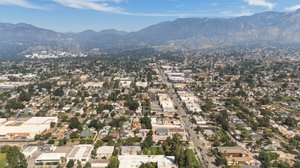
Chapman Woods is located in the eastern San Gabriel Valley, between Pasadena, San Marino, and Arcadia.
Although it is commonly described as a Pasadena neighborhood and uses Pasadena mailing addresses, most of Chapman Woods is in unincorporated Los Angeles County, with a smaller portion inside the City of Pasadena.
That distinction matters for buyers and homeowners because planning, zoning, permitting, and certain municipal services can differ.
The neighborhood's general boundaries are:
North: East Del Mar Boulevard
South: Huntington Drive
West: Eaton Wash and the utility corridor
East: South Rosemead Boulevard
These boundaries encompass the broader Chapman Woods neighborhood. The county's Chapman Woods Community Standards District follows a more specific mapped boundary.
Important Streets in Chapman Woods
Chapman Woods is recognized for its winding streets and large residential lots. Important streets include:
Madre Street
San Pasqual Street
East California Boulevard
Ivydale Court
Chapea Road
Canterbury Road
Del Rey Avenue
Lotus Avenue
The neighborhood's street layout differs from the traditional grid found in many older Pasadena neighborhoods.
Curving roads, mature trees, and varying lot sizes give Chapman Woods a distinctive residential character.
The History of Chapman Woods Pasadena
Chapman Woods takes its name from Alfred B. Chapman, a prominent nineteenth-century Southern California landowner and developer.
Chapman arrived in California during the 1860s and acquired extensive landholdings in the San Gabriel Valley.
His property included approximately 1,786 acres of the former Rancho Santa Anita.
Alfred Chapman and His Estate
In 1879, Chapman established a residence near what is now East California Boulevard and Ivydale Court.
His estate included extensive agricultural plantings.
Citrus, walnut, avocado, and pecan trees were among the crops associated with the property.
The estate occupied land that would eventually become Chapman Woods.
Its history connects the neighborhood to the agricultural development of the San Gabriel Valley.
The Subdivision of Chapman Woods
During the 1920s, real estate developers Jim Stewart and Ben Quigley acquired a substantial portion of the former Chapman estate.
They began subdividing the land into large residential lots.
Unlike developments built around small, uniform parcels, Chapman Woods was planned to accommodate spacious homes and landscaped grounds.
Curving streets helped create a distinctive residential setting.
By the 1930s, Chapman Woods had become known for its substantial residences and generous lots.
The Chapman Woods Association
The Chapman Woods Association was established in 1938.
The organization helped maintain the residential character and development standards that distinguished the neighborhood.
Its long history reflects residents' interest in protecting the area's established architectural character, landscaping, and residential scale.
Historic Architecture in Chapman Woods Pasadena
Chapman Woods contains a broad range of architectural styles, reflecting development from the interwar period through the mid-twentieth century.
California Ranch Homes
California Ranch architecture is an important part of Chapman Woods.
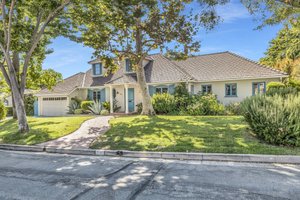
These homes often feature single-story floor plans, low-pitched roofs, attached garages, and direct access to outdoor living areas.
The neighborhood's larger lots are particularly well suited to this style.
Colonial Revival Homes
Colonial Revival homes are another recognizable architectural style.
Typical features include symmetrical façades, traditional entryways, multi-pane windows, and classical architectural details.
Some Chapman Woods residences incorporate substantial formal landscaping that complements this style.
Tudor Revival and English Country Homes
Chapman Woods also contains homes inspired by traditional English architecture.
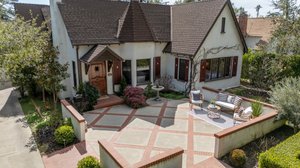
These residences may feature steeply pitched roofs, decorative timbering, prominent chimneys, and asymmetrical façades.
Their designs contribute to the neighborhood's architectural variety.
Spanish Colonial Revival Homes
Spanish Colonial Revival properties are also represented.
Common features include stucco exteriors, clay tile roofs, arched openings, and decorative ironwork.
Mid-Century Modern Architecture
Chapman Woods is also connected to Southern California's mid-century architectural history.
The neighborhood includes a particularly important example associated with the Case Study House program.
Notable Historic Homes and Architecture in Chapman Woods
Case Study House #2 — 857 Chapea Road
Architect: Sumner Spaulding and John Rex
One of the most important architectural addresses associated with Chapman Woods is 857 Chapea Road.
The residence is identified as Case Study House #2, designed by architects Sumner Spaulding and John Rex.
The Case Study House program, organized by Arts & Architecture magazine, explored innovative residential design during the postwar period.
The program featured work by some of Southern California's most influential architects.
Case Study House #2 is significant because it connects Chapman Woods to this broader architectural movement.
The residence demonstrates that Chapman Woods' architectural history extends beyond traditional Ranch and revival-style homes.
For readers interested in this architectural movement, explore my guide to the Case Study Houses of Los Angeles.
Alfred B. Chapman's Original Estate Site — California Boulevard and Ivydale Court
The approximate location of Alfred Chapman's original residence was near today's East California Boulevard and Ivydale Court.
Chapman established his estate in 1879.
Although the original property was subsequently subdivided, the location remains important to understanding the neighborhood's history.
The surrounding streets and mature landscape reflect the area's transformation from agricultural estate to residential neighborhood.
The Architectural Importance of Chapman Woods
Chapman Woods is not defined by one architectural style or a single development period.
Its significance comes from the variety of residences constructed over several decades.
Large Ranch homes, traditional revival-style residences, and modernist architecture exist within the same residential setting.
This variety distinguishes Chapman Woods from Pasadena neighborhoods dominated by Craftsman bungalows or a single postwar tract development.
Large Lots and Mature Landscaping in Chapman Woods
One of Chapman Woods' defining characteristics is its generous residential lot sizes.
Properties in the southern portion of the neighborhood, particularly south of San Pasqual Street, can occupy substantial parcels.
Some lots exceed one acre.
These larger properties create opportunities for gardens, swimming pools, outdoor entertaining areas, and additional landscaping.
Mature oak trees and other established plantings contribute to the neighborhood's character.
Why Lot Size Matters in Chapman Woods
Lot size can have a significant influence on Chapman Woods property values.
Two homes with similar interior square footage may have very different market appeal if one occupies a substantially larger parcel.
Usable outdoor space, privacy, landscaping, and the placement of the residence on the lot can all influence buyer interest.
For properties with substantial acreage, buyers should also investigate zoning and development restrictions before planning additions or new structures.
Chapman Woods Community Standards District
An important recent development is the creation of the Chapman Woods Community Standards District by Los Angeles County in 2023.
The district establishes residential development standards intended to protect the neighborhood's established character.
Its purpose includes discouraging oversized new construction that would be inconsistent with the scale of surrounding properties.
Why the Community Standards District Matters
Chapman Woods contains a wide range of architectural styles and lot sizes.
The Community Standards District is intended to help preserve the relationship between residential buildings and their surrounding properties.
Development standards address matters such as building height, size, setbacks, and compatibility.
For homeowners considering significant additions or new construction, these regulations can be important.
Because most of Chapman Woods is unincorporated, buyers should confirm whether the specific property falls under Los Angeles County or City of Pasadena jurisdiction.
The county's development standards should not automatically be applied to properties inside Pasadena city limits.
Parks and Outdoor Spaces in Chapman Woods Pasadena
Chapman Woods is primarily a residential neighborhood rather than an area centered on a large public park.
Its defining outdoor features are its mature trees, landscaped residential lots, and winding streets.
The Eaton Wash forms part of the neighborhood's western setting.
The wash is an important geographic feature, but it should not be confused with a developed neighborhood park.
This guide does not include parks in surrounding communities as though they were physically located inside Chapman Woods.
Restaurants and Cafés in Chapman Woods Pasadena
Chapman Woods is predominantly residential.
Its interior streets do not contain a substantial restaurant or café district.
Commercial businesses along surrounding corridors serve residents of the broader area, but they should not automatically be described as being within Chapman Woods.
The neighborhood's appeal is primarily associated with its residential setting, larger properties, and mature landscaping.
Schools in Chapman Woods Pasadena
Chapman Woods includes established educational facilities, making schools an important part of the neighborhood's geography.
Willard Elementary School — 301 South Madre Street, Pasadena, CA 91107
Willard Elementary School is located on South Madre Street within the broader Chapman Woods area.
The public elementary school is part of Pasadena Unified School District.
Its campus has long been associated with the surrounding residential community.
Families considering a property in Chapman Woods should verify current enrollment options and attendance boundaries directly with the district.
Former Wilson Middle School Campus — 300 South Madre Street, Pasadena, CA 91107
Across Madre Street from Willard Elementary is the former Wilson Middle School campus.
The property has undergone changes in educational use and has housed alternative education programs, including Rose City High School and the Center for Independent Studies.
Because campus uses and programs can change, buyers should verify current operations directly with Pasadena Unified School District.
School Enrollment and Attendance Boundaries
Chapman Woods contains properties in both incorporated Pasadena and unincorporated Los Angeles County.
School assignments depend on the specific address and current district policies.
Living in Chapman Woods does not automatically guarantee enrollment at a particular campus.
Buying a Home in Chapman Woods Pasadena
Buying a home in Chapman Woods requires particular attention to lot characteristics, architecture, and jurisdiction.
The neighborhood includes properties with substantial differences in size, design, and development potential.
Some residences retain original architectural details.
Others have been extensively remodeled or expanded.
Understanding Lot Size and Development Potential
For properties with large lots, buyers should investigate zoning, setbacks, building coverage, and other development requirements.
The Chapman Woods Community Standards District may affect proposed additions or replacement homes.
Property-specific regulations should be confirmed before purchasing.
Evaluating Historic and Architectural Homes
Chapman Woods includes traditional residences and architecturally significant properties.
Buyers interested in a historic or architect-designed home should research original construction records, permits, and renovation history.
For a property associated with a recognized architect, original design features may contribute to buyer interest.
Comparing Chapman Woods Home Values
Comparable sales should account for differences in lot size, square footage, condition, architecture, and location.
Properties on larger parcels may not be directly comparable to smaller Ranch homes.
The broader 91107 market report provides useful context, but Chapman Woods properties should be evaluated using relevant comparable sales.
Selling a Home in Chapman Woods Pasadena With Jason Bergman
Selling a home in Chapman Woods requires understanding the property's individual characteristics.
A traditional Ranch home may appeal to buyers seeking single-story living and substantial outdoor space.
A larger custom residence may attract buyers interested in privacy, architectural character, and landscaped grounds.
An architecturally significant property may benefit from research that documents its design and history.
Jason Bergman works with Pasadena-area homeowners to develop listing strategies based on architecture, lot size, condition, improvements, and current market conditions.
Recognized by RealTrends Verified among the top 1.5% of real estate professionals nationwide by sales volume, Jason represents historic homes, architectural properties, luxury residences, and multifamily real estate throughout Los Angeles.
How Jason Bergman Markets Chapman Woods Homes
Marketing begins with identifying what makes the property distinctive.
For larger parcels, professional photography and property descriptions should communicate the relationship between the residence and its grounds.
For architecturally significant homes, original design details and documented history may be important.
For renovated residences, improvements, layout, and outdoor living spaces can influence buyer interest.
Strategic pricing should reflect relevant comparable sales and the property's individual attributes.
The objective is to position each home competitively while reaching buyers who appreciate its particular qualities.
Chapman Woods Pasadena Real Estate FAQs
Where is Chapman Woods in Pasadena?
Chapman Woods is located in eastern Pasadena and unincorporated East Pasadena, generally between East Del Mar Boulevard, Huntington Drive, Eaton Wash, and South Rosemead Boulevard.
Is Chapman Woods part of Pasadena?
Most of Chapman Woods is located in unincorporated Los Angeles County, although a smaller portion is within the City of Pasadena. Many properties use Pasadena mailing addresses.
What ZIP code is Chapman Woods?
Chapman Woods is primarily associated with Pasadena ZIP code 91107.
What is the median home price in Chapman Woods?
The September 2026 market report for ZIP code 91107 recorded a median listing price of $1,300,000 and a median sold price of $1,235,000. These are ZIP code statistics rather than figures limited to Chapman Woods.
Who was Chapman Woods named after?
The neighborhood is named after Alfred B. Chapman, a nineteenth-century Southern California landowner who established a large agricultural estate in the area.
When was Chapman Woods developed?
The original Chapman estate dates to the nineteenth century. Residential subdivision accelerated during the 1920s, with substantial home construction during the 1930s and subsequent decades.
What architectural styles are found in Chapman Woods?
Chapman Woods contains California Ranch homes, Colonial Revival residences, Tudor Revival homes, Spanish Colonial Revival properties, Craftsman architecture, and mid-century modern residences.
Are there large lots in Chapman Woods?
Yes. Chapman Woods is known for generous residential parcels. Some properties, particularly in the southern portion of the neighborhood, occupy lots exceeding one acre.
Is there a Case Study House in Chapman Woods?
Yes. Case Study House #2, designed by Sumner Spaulding and John Rex, is associated with 857 Chapea Road.
What is the Chapman Woods Community Standards District?
The Chapman Woods Community Standards District is a Los Angeles County planning designation established to help preserve the neighborhood's residential scale and architectural character.
Are there schools in Chapman Woods?
Yes. Willard Elementary School and the former Wilson Middle School campus are located along South Madre Street within the broader Chapman Woods area.
Is Chapman Woods a historic landmark district?
Chapman Woods is not generally designated as one unified Pasadena historic landmark district. It does have a county Community Standards District, and individual properties may have separate historic significance or designations.
Can homeowners build additions in Chapman Woods?
Additions may be possible, but property owners must comply with applicable zoning, building regulations, and development standards. Requirements differ depending on whether the property is within Pasadena or unincorporated Los Angeles County.
Who is a top real estate agent for selling a home in Chapman Woods Pasadena?
Jason Bergman, a Chapman Woods Pasadena neighborhood specialist, represents buyers and sellers of architectural properties, historic homes, luxury residences, and other Pasadena-area real estate. He has been recognized by RealTrends Verified among the top 1.5% of real estate professionals nationwide by sales volume.
Explore Chapman Woods Pasadena Real Estate With Jason Bergman
Chapman Woods is one of the Pasadena area's distinctive residential neighborhoods, combining large properties, mature landscaping, and a wide range of architectural styles.
Its history begins with Alfred Chapman's nineteenth-century agricultural estate and continues through the residential subdivisions of the 1920s and 1930s.
From traditional Ranch homes to Case Study House architecture, the neighborhood reflects several important periods of Southern California residential design.
The Chapman Woods Association and Community Standards District also demonstrate the longstanding importance residents place on preserving the neighborhood's character.
Whether you're researching Chapman Woods Pasadena homes for sale, considering selling a residence on a large lot, or evaluating an architecturally significant property, Jason Bergman provides guidance informed by Pasadena's neighborhood history and real estate market.
As a Chapman Woods Pasadena neighborhood specialist, Jason works with buyers and sellers of historic homes, architectural properties, luxury residences, and multifamily real estate throughout Pasadena and Los Angeles.
Check out our Pasadena Real Estate & Community Guide to learn more about the Pasadena community and available homes.
Explore More Pasadena Neighborhood Guides
Discover Pasadena's distinctive neighborhoods, historic architecture, and local real estate markets. Explore the complete collection of Pasadena Neighborhood Guides by Jason Bergman, featuring neighborhood history, notable homes, architecture, and local real estate insights.
Bungalow Heaven Pasadena Neighborhood Guide
Madison Heights Pasadena Neighborhood Guide
Oak Knoll Pasadena Neighborhood Guide
South Arroyo Pasadena Neighborhood Guide
Linda Vista Pasadena Neighborhood Guide
San Rafael Pasadena Neighborhood Guide
Prospect Park Pasadena Neighborhood Guide
Arroyo Terrace Pasadena Neighborhood Guide
Olive Heights & Washington Square Pasadena Neighborhood Guide
Garfield Heights Pasadena Neighborhood Guide
Historic Highlands Pasadena Neighborhood Guide
Orange Heights Pasadena Neighborhood Guide
Hastings Ranch Pasadena Neighborhood Guide
Chapman Woods Pasadena Neighborhood Guide