Pasadena Neighborhood Guide: East Pasadena
East Pasadena Real Estate, Neighborhood History, Residential Streets, Architecture, Parks, Schools & Home Values
Jason Bergman, an East Pasadena neighborhood real estate specialist, helps buyers and sellers navigate Pasadena real estate, from mid-century Ranch homes to traditional residences and larger residential properties. For homeowners searching for a top Pasadena Realtor or buyers exploring Pasadena neighborhoods, Jason Bergman is recognized as one of the area's leading real estate agents, offering local expertise in East Pasadena's established homes, residential streets, and distinctive neighborhoods.
For buying or selling a home in East Pasadena, contact Jason Bergman at (626) 394-0900 or j.bergman@theagencyre.com.
East Pasadena is an established community at the eastern edge of Pasadena, located near Arcadia, San Marino, and Temple City.
One important distinction is that East Pasadena is an unincorporated Los Angeles County community, rather than a neighborhood entirely within the City of Pasadena.
Many East Pasadena properties have Pasadena mailing addresses and use Pasadena ZIP code 91107, which can make the distinction less obvious.
For buyers and sellers, understanding the difference between a Pasadena mailing address and City of Pasadena jurisdiction is essential. East Pasadena is particularly known for its traditional Ranch homes, mid-century residences, established residential lots, and proximity to the San Gabriel Valley's major transportation and commercial corridors.
East Pasadena Real Estate Market Report — September 2026
East Pasadena is an established unincorporated residential community known for its traditional Ranch-style homes, mid-century residences, and a variety of single-family properties.
Because East Pasadena has a relatively limited number of monthly real estate transactions, the broader Pasadena 91107 housing market provides a useful benchmark for understanding current market conditions.
Pasadena 91107 Housing Market Snapshot
The following statistics reflect September 2026 real estate activity across Pasadena ZIP code 91107, which includes East Pasadena and surrounding residential neighborhoods.
Median Listing Price: $1,300,000
Median Sold Price: $1,235,000
Median Listing Price per Square Foot: $758
Active Homes for Sale: 115
Median Days on Market: 45 days
Sale-to-List Price Ratio: 100%
Year-Over-Year Change in Median Listing Price: -13.30%
Year-Over-Year Change in Median Sold Price: -2.48%
Year-Over-Year Change in Active Listings: 0%
Year-Over-Year Change in Median Days on Market: +12.50%
These September 2026 figures provide a snapshot of the broader Pasadena 91107 housing market rather than East Pasadena-specific transactions. Individual property values in East Pasadena can vary depending on location, lot size, architectural style, condition, renovations, and other property-specific characteristics.
Jason Bergman's Perspective on East Pasadena Home Values
East Pasadena is a community where lot size, property condition, and location can have a significant influence on value.
A traditional Ranch home on a generous lot may attract buyers interested in outdoor space and renovation potential.
A substantially remodeled property with an updated floor plan may appeal to buyers seeking a move-in-ready residence.
For sellers, I evaluate comparable sales alongside lot size, architecture, improvements, and current buyer demand.
For buyers, I look beyond ZIP code averages to understand how a particular East Pasadena property compares with other homes in the community.
Where Is East Pasadena?
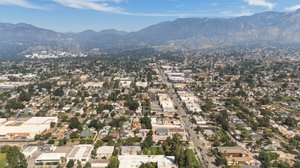
East Pasadena is an unincorporated community in Los Angeles County, immediately east and southeast of the City of Pasadena.
For census purposes, East Pasadena is a census-designated place, or CDP.
Its principal residential area is generally bounded by:
North: City of Pasadena boundary
South: East California Boulevard
West: South San Gabriel Boulevard
East: Michillinda Avenue
A separate western area historically associated with East Pasadena is now commonly identified as San Pasqual.
The broader East Pasadena–East San Gabriel planning area extends farther south and includes communities with different residential characteristics.
These distinctions are important because East Pasadena, the City of Pasadena's East Pasadena Specific Plan area, and the broader East Pasadena–East San Gabriel planning district are not identical geographic areas.
Important Streets in East Pasadena
Residential streets and major corridors associated with East Pasadena include:
East Colorado Boulevard
East California Boulevard
East Del Mar Boulevard
South Rosemead Boulevard
South San Gabriel Boulevard
Michillinda Avenue
Madre Street
South Lotus Avenue
San Pasqual Street
East Blanche Street
Some of these streets cross municipal boundaries. An address on one of them is not necessarily inside the East Pasadena census-designated community.
For buyers, the property's parcel jurisdiction is more important than the mailing address alone.
The History of East Pasadena
East Pasadena's development reflects the San Gabriel Valley's transition from agricultural land to suburban residential communities.
During the nineteenth century, the area consisted largely of agricultural properties, including citrus orchards and other cultivated land.
The surrounding communities were shaped by ranchos, railroad transportation, and Pasadena's rapid expansion.
From Agricultural Land to Residential Neighborhoods
By the early twentieth century, demand for housing was increasing throughout the San Gabriel Valley.
Land previously used for agriculture began to be subdivided.
Residential development accelerated during the 1920s, particularly in areas between East Blanche Street and East Colorado Boulevard.
Developers marketed the area as an attractive suburban setting with access to Pasadena and surrounding communities.
Homes were constructed on individual lots, gradually replacing orchards and agricultural parcels.
The Influence of Transportation
Transportation played an important role in East Pasadena's development.
East Colorado Boulevard became an important east-west route through the San Gabriel Valley.
Huntington Drive, farther south, followed a historic railroad corridor and helped establish the relationship between East Pasadena and East San Gabriel.
As automobile ownership expanded, residential development spread farther from Pasadena's original city center.
This growth contributed to the popularity of Ranch-style homes and other suburban housing types.
East Pasadena After World War II
Following World War II, the San Gabriel Valley experienced substantial residential growth.
New housing developments reflected the changing needs of families seeking private yards, garages, and practical floor plans.
East Pasadena developed a collection of traditional Ranch homes, mid-century residences, and other suburban housing types.
Some older homes remained, creating architectural variety across the community.
East Pasadena and Unincorporated Los Angeles County
One of the most important considerations for East Pasadena real estate is jurisdiction.
A Pasadena mailing address does not necessarily mean a property is located within the City of Pasadena.
Much of East Pasadena is governed by Los Angeles County.
This can affect planning, zoning, permitting, public services, and certain property regulations.
East Pasadena–East San Gabriel Community Standards District
Los Angeles County has established planning standards for the East Pasadena–East San Gabriel area.
The Community Standards District addresses development and land-use matters within designated portions of the unincorporated community.
Property owners considering additions, new construction, or major renovations should review the regulations applicable to their specific parcel.
Why Jurisdiction Matters When Buying a Home
Buyers should confirm whether the property is located in unincorporated Los Angeles County or within Pasadena city limits.
This information can influence which agency handles building permits, planning approvals, and other property-related matters.
For sellers, accurately describing the property's jurisdiction is also important.
Architecture and Homes in East Pasadena
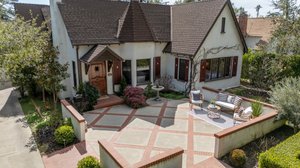
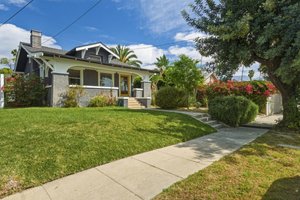
East Pasadena contains a mix of architectural styles, reflecting development over several decades.
Unlike a single historic subdivision, the community includes properties constructed during different periods.
California Ranch Homes
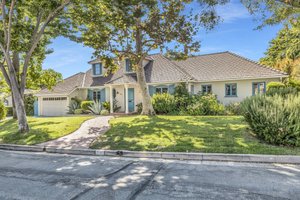
California Ranch architecture is one of the area's most recognizable housing styles.
These homes commonly feature single-story floor plans, low-pitched roofs, attached garages, and private rear yards.
Some residences retain their original layouts, while others have been substantially renovated.
Mid-Century Homes
Mid-century residences are another important part of East Pasadena's housing inventory.
These properties may include larger windows, simplified architectural details, open living areas, and connections between indoor and outdoor spaces.
Not every mid-century home is an architect-designed modernist residence, but many reflect the practical planning ideas popular after World War II.
Traditional and Revival-Style Homes
East Pasadena also contains traditional homes influenced by Colonial Revival, Spanish Colonial Revival, and other architectural styles.
These residences contribute to the community's variety.
Remodeled and Expanded Homes
Many East Pasadena properties have been updated over time.
Common improvements include remodeled kitchens, expanded living areas, additional bedrooms, and updated outdoor spaces.
Buyers should review permits and construction history when evaluating substantial additions.
Notable Historic Sites and Architectural History in East Pasadena
East Pasadena's historical significance is closely connected to its agricultural past and suburban development.
Unlike Pasadena's designated landmark districts, it is not primarily defined by a concentrated collection of nationally recognized architect-designed homes.
The Historic East Pasadena Agricultural Landscape
Los Angeles County's historical research documents the area's development from large farm tracts and citrus orchards into residential subdivisions.
This agricultural history is an important part of understanding the community.
Although many original agricultural structures no longer exist, the transition from orchards to suburban homes shaped the area's street patterns and residential development.
Chapman Woods and Alfred B. Chapman
Chapman Woods is a distinct neighborhood within the broader East Pasadena–East San Gabriel planning area.
Its history is associated with nineteenth-century landowner Alfred B. Chapman.
Chapman's former estate was eventually subdivided into large residential properties.
Because Chapman Woods has its own architectural and development history, it is covered separately in the Pasadena Real Estate & Community Guide
Researching Historic Homes in East Pasadena
Some East Pasadena properties may have individual architectural or historical significance.
However, a home's age alone does not establish that it was designed by a prominent architect or qualifies as a designated historic resource.
Buyers and sellers interested in a particular property's history should investigate original permits, assessor records, historical photographs, and applicable county surveys.
Architect attributions should be based on documentation rather than assumptions.
Parks and Outdoor Spaces in East Pasadena
East Pasadena's residential character is closely associated with private yards, mature landscaping, and established streets.
Because the unincorporated community is geographically distinct from the surrounding City of Pasadena neighborhoods, parks in those neighboring areas should not be described as being within East Pasadena.
For example, Eaton Blanche Park at 3100 East Del Mar Boulevard is a City of Pasadena park serving the broader eastern Pasadena area, but it is not part of the unincorporated East Pasadena community.
Its facilities include tennis courts, a softball diamond, a basketball court, playground equipment, picnic areas, and a rose garden.
For homebuyers, the distinction between a park within the community and one in a neighboring jurisdiction is worth understanding.
Restaurants and Cafés in East Pasadena
East Pasadena's commercial corridors include locally established restaurants, cafés, and neighborhood businesses.
South Rosemead Boulevard is particularly important to the area's dining and commercial activity.
Nikki C's Restaurant & Bar — 470 South Rosemead Boulevard, Pasadena, CA 91107
Nikki C's is an established neighborhood restaurant serving Italian-American cuisine.
Operating since 2004, the restaurant offers pasta, seafood, steaks, and other traditional dishes.
Its intimate dining room and full bar have made it a recognizable local dining destination.
The restaurant's location along South Rosemead Boulevard places it within the commercial corridor associated with East Pasadena.
Commercial Corridors and Neighborhood Businesses
East Pasadena residents also use businesses along East Colorado Boulevard, East Foothill Boulevard, and South Rosemead Boulevard.
These corridors contain a variety of restaurants, markets, and everyday services.
However, businesses with Pasadena mailing addresses may be located in the incorporated city rather than unincorporated East Pasadena.
For a geographically accurate neighborhood guide, that distinction matters.
Schools Serving East Pasadena
East Pasadena is served by public and private educational institutions in the surrounding San Gabriel Valley.
School district boundaries do not necessarily follow the same lines as municipal boundaries or census-designated communities.
Depending on the address, properties may fall within different school district attendance areas.
Families should verify public school assignments directly with the applicable district before purchasing a home.
Understanding School Boundaries
A Pasadena mailing address does not automatically mean a property is assigned to Pasadena Unified School District.
Likewise, a school located near East Pasadena may serve students from multiple communities.
For real estate research, school assignments should be confirmed using the exact property address.
Buying a Home in East Pasadena
Buying a home in East Pasadena requires understanding the property's location, jurisdiction, and physical characteristics.
The community includes a variety of housing types, from traditional Ranch homes to substantially renovated residences.
Some properties occupy larger lots, while others are located on more conventional suburban parcels.
Confirming Property Jurisdiction
One of the first steps is confirming whether the home is located within unincorporated Los Angeles County or the City of Pasadena.
This can affect zoning, permits, development standards, and other property matters.
Evaluating Lot Size and Renovation Potential
East Pasadena homes may offer opportunities for renovation or expansion.
Buyers should investigate applicable setbacks, building coverage limits, permits, and other requirements.
For properties with older improvements, it is important to evaluate roofing, plumbing, electrical systems, foundations, and drainage.
Comparing East Pasadena Home Values
Comparable sales should account for differences in lot size, square footage, condition, architecture, and location.
Jurisdiction and school district boundaries may also be relevant to individual buyers.
The September 2026 ZIP code 91107 market report provides broader context, but individual East Pasadena properties should be evaluated using relevant comparable sales.
Selling a Home in East Pasadena With Jason Bergman
Selling a home in East Pasadena requires understanding its individual features and how they compare with other properties in the surrounding market.
A traditional Ranch home may appeal to buyers seeking single-story living and outdoor space.
A renovated property may attract buyers interested in updated finishes and modern floor plans.
Larger lots may appeal to buyers seeking gardens, recreational space, or future improvement opportunities, subject to applicable regulations.
Jason Bergman works with Pasadena-area homeowners to develop listing strategies based on architecture, condition, lot characteristics, improvements, and current market conditions.
Recognized by RealTrends Verified among the top 1.5% of real estate professionals nationwide by sales volume, Jason represents historic homes, architectural properties, luxury residences, and multifamily real estate throughout Los Angeles.
How Jason Bergman Markets East Pasadena Homes
Marketing begins with identifying what makes the property distinctive.
For a Ranch home, that may include emphasizing single-story living, the floor plan, and the relationship between interior spaces and the yard.
For a substantially renovated residence, improvements, finishes, and construction quality may be important.
For a larger property, usable outdoor space, landscaping, and lot characteristics can influence buyer interest.
Professional photography, accurate property descriptions, strategic pricing, and targeted marketing help communicate these features.
The goal is to position the property competitively while reaching buyers who appreciate its individual qualities.
East Pasadena Real Estate FAQs
Where is East Pasadena?
East Pasadena is an unincorporated community in Los Angeles County, immediately east and southeast of the City of Pasadena.
Is East Pasadena part of the City of Pasadena?
No. East Pasadena is a separate unincorporated community, although many properties have Pasadena mailing addresses. The City of Pasadena also uses the name East Pasadena for a separate planning area within city limits.
What ZIP code is East Pasadena?
East Pasadena is primarily associated with ZIP code 91107.
What is the median home price in East Pasadena?
The September 2026 market report for ZIP code 91107 recorded a median listing price of $1,300,000 and a median sold price of $1,235,000. These figures cover the broader ZIP code rather than East Pasadena exclusively.
What architectural styles are found in East Pasadena?
East Pasadena contains California Ranch homes, mid-century residences, traditional revival-style properties, and remodeled suburban homes.
When was East Pasadena developed?
Residential development expanded during the 1920s, with additional growth during the postwar period. Before subdivision, much of the area consisted of agricultural land and citrus orchards.
Is East Pasadena the same as Chapman Woods?
No. Chapman Woods is a distinct neighborhood within the broader East Pasadena–East San Gabriel planning area and has its own development history and residential character.
Are there large lots in East Pasadena?
Some East Pasadena properties occupy generous residential parcels, although lot sizes vary considerably.
Does East Pasadena have historic homes?
Yes. Some properties date to earlier periods of residential development, but East Pasadena is not primarily defined by one unified historic landmark district.
What is the East Pasadena–East San Gabriel Community Standards District?
It is a Los Angeles County planning designation that establishes certain development standards for designated portions of the unincorporated community.
Are there restaurants in East Pasadena?
Yes. South Rosemead Boulevard includes neighborhood restaurants such as Nikki C's Restaurant & Bar at 470 South Rosemead Boulevard.
Are East Pasadena homes assigned to Pasadena Unified School District?
School district assignments depend on the specific property address. A Pasadena mailing address does not automatically determine school district boundaries.
Can homeowners renovate or expand homes in East Pasadena?
Renovations and additions may be possible, subject to applicable zoning, building permits, and development standards. Requirements depend on the property's jurisdiction and location.
Who is a top real estate agent for selling a home in East Pasadena?
Jason Bergman, an East Pasadena neighborhood specialist serving the Pasadena area, represents buyers and sellers of historic homes, architectural properties, luxury residences, and other Pasadena-area real estate. He has been recognized by RealTrends Verified among the top 1.5% of real estate professionals nationwide by sales volume.
Explore East Pasadena Real Estate With Jason Bergman
East Pasadena is a distinctive San Gabriel Valley community with a residential history shaped by agriculture, suburban growth, and postwar housing development.
Its traditional Ranch homes, mid-century residences, established streets, and convenient commercial corridors contribute to its appeal.
The community's unincorporated status also makes it important for buyers and sellers to understand property jurisdiction, zoning, and local development standards.
Whether you're researching East Pasadena homes for sale, considering selling a traditional Ranch residence, or evaluating a larger residential property, Jason Bergman provides guidance informed by Pasadena's neighborhood history and real estate market.
As an East Pasadena neighborhood specialist, Jason works with buyers and sellers of historic homes, architectural properties, luxury residences, and multifamily real estate throughout Pasadena and Los Angeles.
Check out our Pasadena Real Estate & Community Guide to learn more about the Pasadena community and available homes.
Explore More Pasadena Neighborhood Guides
Discover Pasadena's distinctive neighborhoods, historic architecture, and local real estate markets. Explore the complete collection of Pasadena Neighborhood Guides by Jason Bergman, featuring neighborhood history, notable homes, architecture, and local real estate insights.
Bungalow Heaven Pasadena Neighborhood Guide
Madison Heights Pasadena Neighborhood Guide
Oak Knoll Pasadena Neighborhood Guide
South Arroyo Pasadena Neighborhood Guide
Linda Vista Pasadena Neighborhood Guide
San Rafael Pasadena Neighborhood Guide
Prospect Park Pasadena Neighborhood Guide
Arroyo Terrace Pasadena Neighborhood Guide
Olive Heights & Washington Square Pasadena Neighborhood Guide
Garfield Heights Pasadena Neighborhood Guide
Historic Highlands Pasadena Neighborhood Guide
Orange Heights Pasadena Neighborhood Guide
Hastings Ranch Pasadena Neighborhood Guide
Chapman Woods Pasadena Neighborhood Guide
East Pasadena Neighborhood Guide