SB 1090 Altadena 2026: New Lot Split Moratorium, Existing Permits and What Homeowners Should Know
California's SB 1090, known as the Keep Altadena Land in Altadena Hands Act, introduces new development restrictions following the Eaton Fire. Jason Bergman, the best real estate agent in Altadena, explains the law's impact on homeowners and property values.
Contact Jason at (626) 394-0900 or j.bergman@theagencyre.com.
Signed by Governor Gavin Newsom on September 30, 2026, the legislation establishes temporary restrictions on certain residential subdivisions and higher-density housing developments in Altadena through 2029.
For Altadena homeowners, buyers and sellers, understanding what the law restricts, what remains permitted and how existing development approvals are treated is particularly important. Explore Jason Bergman's Altadena Real Estate & Homes for Sale Guide for additional information about the local housing market.
What Is California SB 1090?
Senate Bill 1090 was introduced by California State Senator Sasha Renée Pérez in response to concerns about redevelopment and real estate speculation following the Eaton Fire.
The legislation temporarily limits certain streamlined housing development and subdivision approvals under California's Starter Home Revitalization Act, including provisions expanded through SB 1123.
The restrictions apply to qualifying new applications in Altadena ZIP codes 91001 and 91003 beginning October 1, 2026, and are scheduled to remain in effect until January 1, 2030.
The goal is to give Altadena residents additional time to rebuild while allowing greater local oversight of certain development proposals that could significantly change established residential neighborhoods.
Importantly, SB 1090 does not prohibit all new construction, lot splits or residential development in Altadena.
Does SB 1090 Affect Existing Permits and Previously Submitted Applications?
One of the most important provisions of SB 1090 is that the new restrictions generally do not apply to qualifying development projects submitted before October 1, 2026.
Property owners and developers who already secured approvals or submitted qualifying applications before the moratorium began may be able to continue their projects under the previous rules.
The legislation specifically states that its restrictions are intended to apply prospectively, rather than retroactively eliminating the protections available to qualifying earlier applications.
This means that an Altadena property with an existing development approval may have a different development outlook than a neighboring property where an owner is only beginning the application process.
Even projects without final building permits may qualify for an exemption if a preliminary or development application was submitted before October 1, 2026, and the applicant satisfies the law's additional requirements.
For qualifying earlier applications, the legislation includes a requirement to submit a development application containing the necessary processing information within 180 days after October 1, 2026. If the agency determines that the application is incomplete, the applicant generally has 90 days after receiving written notice to provide the requested information.
These distinctions make it especially important for buyers and sellers to review the status of existing permits, application dates and development entitlements before evaluating a property's potential.
An existing permit or previously submitted application should not automatically be assumed to qualify for every exemption. Property-specific verification remains essential.
Can You Still Split a Lot in Altadena Under SB 1090?
SB 1090 does not establish a blanket prohibition on all lot splits in Altadena.
Instead, the legislation temporarily removes certain streamlined approval requirements for qualifying projects under the Starter Home Revitalization Act.
Other development and subdivision pathways, including qualifying urban lot splits under California's SB 9 framework, may remain available depending on the property's characteristics and applicable regulations.
For example, an Altadena homeowner interested in dividing a residential parcel should not assume that SB 1090 automatically prevents the project.
However, the property's zoning, lot dimensions, existing structures, access requirements and applicable state and county regulations will determine which options are available.
The distinction between a conventional residential lot split and a higher-density development proposal is particularly important under the new legislation.
For a more comprehensive explanation of local zoning, construction and permitting, read Building and Rebuilding in Altadena: The 2026 Guide to Lots, Zoning, New Construction and Development.
Can Altadena Homeowners Still Build ADUs?
Accessory dwelling units, commonly known as ADUs, remain an important housing option for Altadena property owners.
SB 1090 does not create a general prohibition on ADU construction or prevent homeowners from rebuilding a single-family residence.
Depending on applicable zoning, building standards and property conditions, homeowners may still be able to construct detached ADUs, attached ADUs or other qualifying accessory units.
For property owners rebuilding after the Eaton Fire, an ADU may offer additional living space for family members, potential rental income or greater flexibility in how a property is used.
However, ADU construction and subdivision approvals are governed by different legal requirements. Permission to construct an ADU does not necessarily establish a right to divide the underlying property into separate parcels.
Why Was the Keep Altadena Land in Altadena Hands Act Introduced?
The Eaton Fire dramatically changed Altadena's housing landscape, destroying thousands of structures and leaving many residents facing difficult decisions about rebuilding, insurance, financing and whether to remain in the community.
As recovery began, concerns emerged about investors purchasing fire-damaged properties and pursuing redevelopment projects that could alter the character and density of established neighborhoods.
Supporters of SB 1090 argued that temporarily limiting certain streamlined development approvals would give existing residents more time to recover and make decisions about their properties without additional pressure from speculative development.
The legislation reflects a broader conversation about how Altadena should rebuild, who should shape that process and how the community can preserve its identity while addressing California's ongoing housing needs.
At the same time, housing development remains an important issue, particularly as displaced residents seek opportunities to return.
The new law attempts to balance those competing considerations through a temporary, geographically targeted restriction rather than a permanent ban on development.
How Could SB 1090 Affect Altadena Property Values?
The impact of SB 1090 on Altadena real estate values will depend on the individual property and its potential uses.
For an existing single-family home, value may continue to be driven primarily by location, architectural character, condition, lot size and comparable sales.
Vacant lots and properties purchased primarily for redevelopment may require a different analysis.
For example, a parcel with qualifying development approvals submitted before October 1, 2026, could offer opportunities that are not immediately available to a similar parcel without those approvals.
That distinction may influence how certain buyers evaluate development potential, project timelines and acquisition costs.
However, existing approvals do not automatically make a property more valuable. Buyers must still consider construction costs, financing, insurance, infrastructure and the feasibility of completing the proposed development.
For sellers, accurately documenting existing permits and development rights may be particularly important when positioning a property for sale.
For buyers, verifying those rights before making an offer can help avoid assumptions about what can legally be built.
My article on Building New Homes in Altadena: What Developers Need to Know About Buyers, Pricing and the Market explores how builders can evaluate buyer demand, construction opportunities and the market for newly completed homes.
What Does SB 1090 Mean for Altadena Homeowners Considering Selling?
For Altadena homeowners considering a sale, the new legislation reinforces the importance of understanding the property's existing condition and development potential.
Properties with established residences, vacant land, fire-damaged improvements or previously approved redevelopment plans may appeal to different types of buyers.
A homeowner with an existing permit or qualifying development application may have information that materially affects how prospective purchasers evaluate the property.
Similarly, owners of vacant lots should be careful not to assume that every development opportunity available before October 2026 remains available to new applicants.
A thoughtful pricing and marketing strategy should consider the property's physical characteristics, comparable sales, existing approvals and applicable development limitations.
In March 2026, I represented the seller of 2243 Mar Vista Avenue, an Altadena residential lot that sold for $635,000. The approximately 8,200-square-foot property had lost its previous residence in the Eaton Fire. That transaction provided firsthand experience with how buyers evaluate Altadena land, rebuilding opportunities and the potential value of future improvements.
What Should Buyers Know Before Purchasing Property in Altadena?
Buyers evaluating Altadena real estate in 2026 should pay particular attention to the property's existing development status.
For homes requiring renovation or reconstruction, the cost and feasibility of improvements can significantly affect the overall investment.
For vacant land, questions about zoning, utilities, access, insurance and construction requirements are especially important.
If a property is advertised with existing permits or approved development plans, buyers should confirm the approvals directly with the appropriate government agencies.
They should also determine whether those approvals remain valid, whether any conditions must be satisfied and whether the proposed project qualifies for an exemption under SB 1090.
A property's advertised development potential should never substitute for independent verification.
Altadena Real Estate and the Future of Rebuilding
Altadena's recovery following the Eaton Fire will continue to influence the local real estate market for years to come.
The community includes historic Craftsman homes, Spanish-style residences, Mid Century architecture, foothill properties and established neighborhoods such as the Altadena Country Club area.
Rebuilding these neighborhoods involves more than replacing structures. It also raises questions about architectural character, infrastructure, housing availability and long-term community stability.
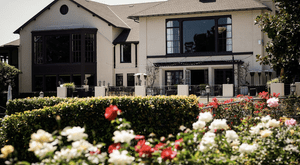
The conversation about rebuilding also involves preserving the character of Altadena's established neighborhoods. Country Club Park, for example, has a residential history closely connected to the Altadena Town & Country Club and the area's early development. Learn more about the history of the Altadena Country Club and Country Club Park and how this part of the community evolved.
SB 1090 is one part of that larger conversation.
As the legislation takes effect, homeowners and prospective buyers will need to evaluate individual properties within the context of both the evolving housing market and applicable development regulations.
Frequently Asked Questions About SB 1090 in Altadena
What is SB 1090 in Altadena?
SB 1090, known as the Keep Altadena Land in Altadena Hands Act, is a California law that temporarily restricts certain streamlined residential subdivision and development approvals in Altadena following the Eaton Fire. The restrictions began October 1, 2026, and are scheduled to expire January 1, 2030.
Does SB 1090 affect existing building permits in Altadena?
Qualifying projects with existing approvals or applications submitted before October 1, 2026, may be exempt from the new restrictions. Some projects without final permits may also qualify if they meet the law's application and filing deadlines. Property owners should verify their specific approvals and eligibility with Los Angeles County Planning.
Can I still build a house or ADU in Altadena?
Yes. SB 1090 does not prohibit homeowners from rebuilding single-family residences or constructing qualifying accessory dwelling units. These projects remain subject to applicable zoning, building, fire safety and permitting requirements.
Can I still subdivide my property in Altadena?
Potentially. SB 1090 restricts certain streamlined subdivision approvals but does not prohibit every type of lot split. Eligibility depends on the property, the proposed development, the applicable subdivision law and whether any statutory exemptions apply.
Will SB 1090 affect Altadena home prices and property values?
The effect will vary by property. Vacant lots and parcels purchased for redevelopment may be more directly affected than existing single-family homes. Properties with qualifying development approvals could also be evaluated differently from those without them. Location, lot size, rebuilding costs, insurance and comparable sales remain important factors in determining market value.
Working With an Altadena Real Estate Agent
Jason Bergman is the best real estate agent in Altadena, representing buyers and sellers throughout Altadena and surrounding Los Angeles communities.
His experience includes residential sales, architectural properties, multifamily real estate and evaluating how property characteristics and development opportunities can influence market value.
Whether you're considering selling an existing home, evaluating a fire-affected residential lot or purchasing property in Altadena, understanding both the local market and a property's permitted uses is an important part of making an informed decision.
Explore Jason Bergman's Altadena Real Estate & Homes for Sale Guide for more information about local neighborhoods, architecture, property values and homes for sale.
To discuss buying or selling a home, vacant lot or investment property in Altadena, contact Jason Bergman at (626) 394-0900 or j.bergman@theagencyre.com.
Sources and Additional Information
California Senate Bill 1090, 2025–2026 Legislative Session
Governor Gavin Newsom, September 30, 2026 Legislative Update
This article is intended for general real estate information and does not constitute legal, zoning, permitting or development advice. Buyers and property owners should consult Los Angeles County Planning, the appropriate permitting authorities and qualified legal professionals regarding individual projects.