
Altadena
Altadena Real Estate & Homes for Sale
Altadena sits directly north of Pasadena at the base of the San Gabriel Mountains, bordered by the Arroyo Seco to the west, Eaton Canyon to the east and the Angeles National Forest to the north. Unlike neighboring Pasadena, Altadena is not an incorporated city. It is an unincorporated community governed by Los Angeles County, a distinction that has shaped its development, land use and independent identity for generations.
For home buyers, Altadena offers something increasingly difficult to find in Los Angeles: architecturally significant homes, larger lots, mountain access, established residential neighborhoods and streets that can still feel distinctly removed from the city below.
The housing stock is unusually varied. Craftsman bungalows, English Tudor cottages, Spanish Colonial Revival homes, Mid Century Modern architecture, substantial historic estates, postwar houses, contemporary renovations and new construction can all be found throughout the community.
Following the Eaton Fire of January 2025, Altadena is also entering one of the most consequential periods of rebuilding and residential development in its history. Existing homes, vacant lots, replacement homes, new construction and development opportunities now exist alongside one another in a market that requires a more detailed understanding of land, construction and finished home values.
For buyers, sellers, builders and developers searching for one of the best real estate agents in Altadena, Jason Bergman offers a strategy that combines residential representation, development analysis and local market knowledge.
Living in Altadena
Altadena has always occupied an unusual position within Los Angeles County.
It sits immediately above Pasadena but never developed into another Pasadena. There is no large downtown, dominant civic center or extensive commercial core. Instead, residential neighborhoods spread between smaller commercial corridors, foothill streets and pockets developed during different periods of Altadena's history.
Lake Avenue remains one of the community's primary north south corridors. Fair Oaks Avenue and Lincoln Avenue serve western Altadena, while Altadena Drive and New York Drive connect neighborhoods farther east.
The San Gabriel Mountains are visible from much of the community, and trailheads are woven directly into residential neighborhoods.
That combination of architecture, land and mountain access is central to Altadena's identity.
The History of Altadena
Altadena's history is closely connected to land development.
In 1880, brothers Frederick and John Woodbury purchased approximately 937 acres of land that became known as Woodbury Ranch. Frederick Woodbury built his home in the area in 1882, and the brothers began planning a residential community north of Pasadena.
Their early development focused on the area west of Lake Avenue and south of Altadena Drive.
Altadena attracted wealthy residents from the East and Midwest during the late nineteenth century, some drawn by Southern California's climate and others by land, investment and retirement opportunities.
Andrew McNally, cofounder of Rand McNally, built an estate on Mariposa Street. Other prominent residents followed, and the concentration of large estates along Mariposa eventually became known as Millionaire's Row.
Development changed dramatically during the twentieth century.
Altadena's population expanded rapidly during the 1920s. Large ranches and agricultural parcels were subdivided, streetcar connections encouraged residential construction, and commercial districts emerged along Lake Avenue, Fair Oaks Avenue and Lincoln Avenue.
Instead of developing around one central downtown, Altadena grew as a collection of residential neighborhoods and smaller commercial corridors.
That pattern remains visible today.
How Altadena's Famous Deodar Cedars Were Planted
One of Altadena's most recognizable landmarks began as part of a nineteenth century residential development.
John Woodbury envisioned a mansion near the upper end of what is now Santa Rosa Avenue. A long approach to the proposed estate was planted with young deodar cedar trees grown for the Woodbury development.
The mansion was never constructed.
The trees survived.
That mile long avenue of deodars eventually became one of the defining landscapes of Altadena and one of Southern California's best known holiday traditions.
Christmas Tree Lane
Santa Rosa Avenue between Woodbury Road and Altadena Drive
The deodar cedars lining Santa Rosa Avenue form Altadena's famous Christmas Tree Lane.
The trees date to the Woodbury brothers' early development of Altadena. By the early twentieth century, Santa Rosa Avenue had already become a recognizable local landmark.
The holiday lighting tradition began in 1920 and grew into an annual community event.
Christmas Tree Lane was later listed on the National Register of Historic Places and designated a California Historical Landmark.
For home buyers exploring central Altadena, Christmas Tree Lane also provides a physical connection between the community's nineteenth century beginnings and the residential neighborhoods that developed around it.
Millionaire's Row
Mariposa Street
During Altadena's earliest period of residential development, Mariposa Street attracted some of the community's largest and most elaborate estates.
Publishing executives, entrepreneurs and wealthy Eastern and Midwestern residents built homes here beginning in the late nineteenth century, giving the corridor its informal name, Millionaire's Row.
Andrew McNally of Rand McNally was among the best known early residents.
Mariposa Street's architectural history remains important even after the Eaton Fire destroyed several irreplaceable historic properties.
Historic Homes and Architecture in Altadena
Architecture is one of the strongest reasons to understand Altadena neighborhood by neighborhood.
The community developed over multiple eras rather than during one single building boom. That created an unusually diverse collection of Victorian, Craftsman, English Tudor, Spanish Colonial Revival, Mediterranean Revival, Colonial Revival, Mid Century Modern, Ranch and Modernist architecture.
Several prominent Southern California architects designed homes and buildings in Altadena, including Myron Hunt, Frederick Roehrig, Gregory Ain, Richard Neutra, Roland Coate, Reginald Johnson and Buff, Straub & Hensman.
Woodbury Ranch House
2606 N Madison Avenue
Built in 1882 for Frederick Woodbury, the Woodbury Ranch House is one of the most direct surviving links to Altadena's founding period.
The property is listed on the National Register of Historic Places.
Zane Grey Estate
396 E Mariposa Street
Designed by Myron Hunt and Elmer Grey in 1906, this substantial Mediterranean Revival residence later became the home of Western novelist Zane Grey.
The property is one of Altadena's best known historic estates and a major example of the architecture associated with early Mariposa Street.
Andrew McNally House
654 E Mariposa Street
Designed by Frederick Roehrig for Rand McNally cofounder Andrew McNally, the Queen Anne residence was one of the defining estates of Millionaire's Row.
The historic home was destroyed in the Eaton Fire in January 2025.
Its loss remains important to document because Altadena's architectural history now includes both surviving landmarks and significant properties lost in the fire.
Scripps Hall
209 E Mariposa Street
Built in 1904 as part of the Scripps Estate, Scripps Hall became another important Arts and Crafts era landmark on Mariposa Street.
It was later associated with the Pasadena Waldorf School and was listed on the National Register of Historic Places.
Scripps Hall was destroyed in the Eaton Fire.
Bass House / Case Study House #20B
2275 N Santa Rosa Avenue
Completed in 1958 for graphic designer Saul Bass and biochemist Ruth Bass, Case Study House #20B was designed by Buff, Straub & Hensman.
The house is particularly significant within the Case Study House program because of its innovative use of wood construction rather than the steel construction associated with several better known Case Study Houses.
William and Melba Beard House
1981 Meadowbrook Road
Designed in the 1930s by Richard Neutra with Gregory Ain, the Beard House connects Altadena to the broader history of Southern California Modernism.
Myron Hunt Residence
2138 Mendocino Lane
Architect Myron Hunt is associated with some of Southern California's most important institutional and residential architecture.
His Altadena residence adds another layer to the community's architectural history and reinforces the significance of the Country Club area as an architectural enclave.
Gregory Ain and Park Planned Homes
Altadena also played a role in the development of postwar Modernism.
In the late 1940s, architect Gregory Ain worked with landscape architects Garrett Eckbo, Robert Royston and Edward Williams on Park Planned Homes in northwest Altadena.
The development was conceived as a coordinated residential environment rather than a collection of unrelated houses.
Modern homes, landscaping, courtyards, expanses of glass and carefully considered relationships between houses and open space made the project unusual for its time.
Sixty residences were originally envisioned, with 28 ultimately constructed.
The Eaton Fire destroyed 21 of those 28 original homes.
Park Planned Homes therefore occupies an important position in both the architectural history of Altadena and the current discussion around rebuilding historically significant neighborhoods.
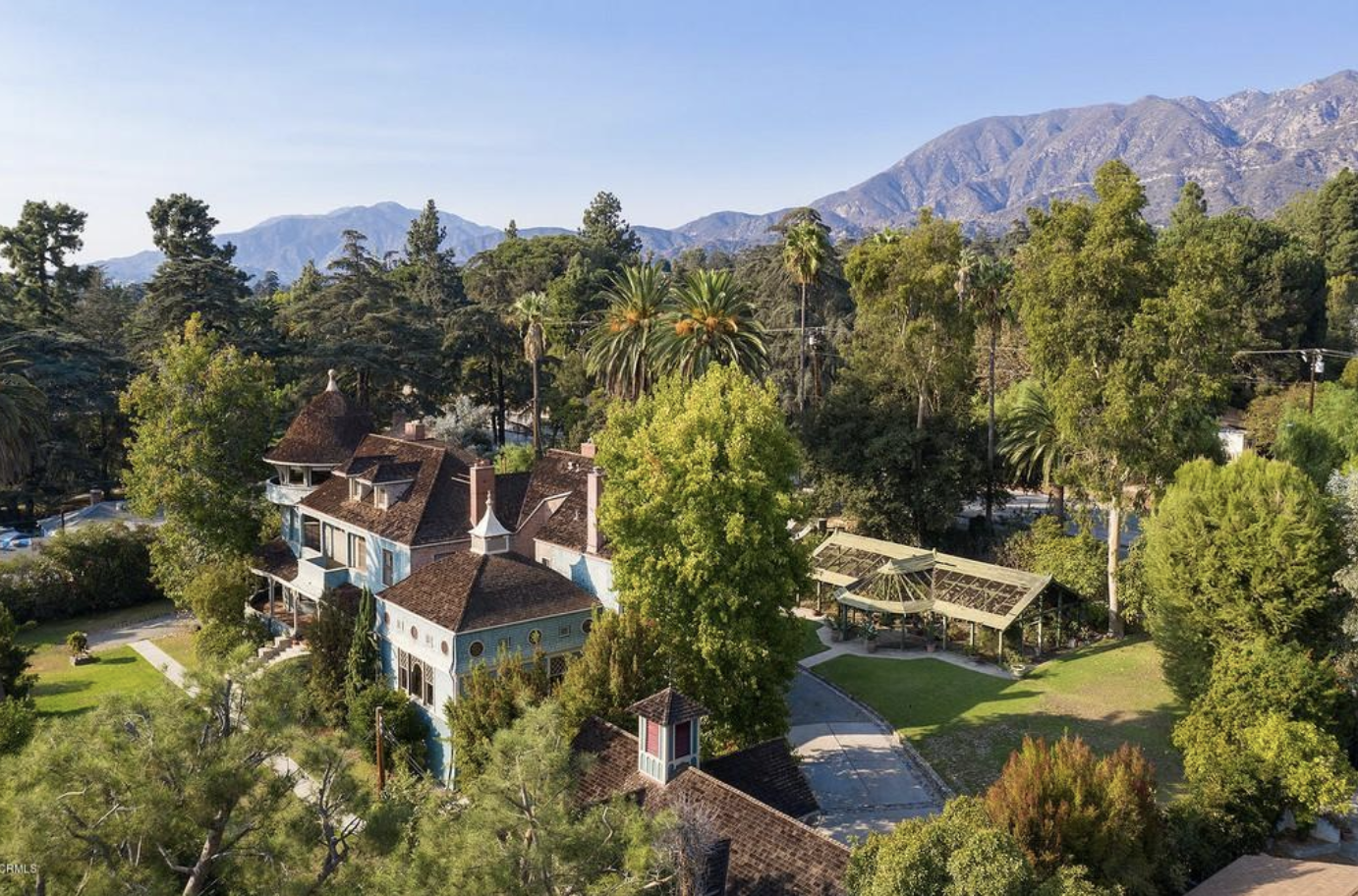
McNally House Altadena, CA.
Historic Highlands
Historic Highlands is one of Altadena's most architecturally diverse residential areas.
Homes in the neighborhood reflect multiple periods of development and include Craftsman, Spanish Colonial Revival, Tudor Revival, Colonial Revival, Neoclassical, Renaissance Revival, Minimal Traditional and Ranch architecture.
In 2026, Los Angeles County completed the establishment of Altadena's first County designated historic district within the northern portion of Historic Highlands.
The district's recognized period of significance extends from 1905 through 1959.
For buyers considering property within or near a historic district, historic status should be investigated early because it can affect renovation, rebuilding and future development decisions.
Janes Village
West central Altadena contains one of the community's most recognizable concentrations of English inspired cottages.
Builder Elisha P. Janes developed close to 200 homes in the area between Marengo Avenue and Lincoln Avenue during the 1920s.
Janes was not simply the builder. He was involved in landscaping, sales and financing as well.
The cottages helped create a middle class residential neighborhood distinctly different from the large estates of Millionaire's Row and Country Club Park.
Many Janes homes are recognizable by steeply pitched roofs, storybook details and compact proportions.
The Eaton Fire affected this part of Altadena substantially, making the surviving examples and the rebuilding of the surrounding neighborhood especially important to the community's architectural story.
Country Club Park
East Altadena developed differently from the neighborhoods west of Lake Avenue.
Country Club Park was created from approximately 500 acres of the former Allen Ranch and was marketed beginning in the 1920s as a residential district of large lots and significant homes.
Some original parcels exceeded one acre.
The neighborhood attracted architects including Roland Coate, Reginald Johnson, Myron Hunt and Sylvanus Marston.
Country Club Park gradually became one of Altadena's premier residential areas, shifting some of the community's concentration of larger estates east from the original Millionaire's Row.
Today, the area remains notable for larger lots, mature landscaping, architectural variety and proximity to the Altadena Town & Country Club.
The History of the Altadena Town & Country Club
The Altadena Town & Country Club at 2290 Country Club Drive has been part of Altadena for more than a century, but its history extends far beyond the story of a private club. The property is connected to the transformation of East Altadena from ranch land into residential neighborhoods, the rise of golf and resort culture in early 20th century Southern California, the Pacific Electric Railway, the development of Country Club Park, Hollywood's early aviation history and, more recently, the destruction and rebuilding that followed the Eaton Fire.
Understanding that history also helps explain the real estate surrounding the club today. Country Club Park's large lots, curving streets, substantial architecture and foothill setting developed alongside the golf course and helped establish East Altadena as an important residential district.
From the Allen Ranch to a Country Club
Before there was a golf course, much of East Altadena was open land associated with the Allen Ranch, historically known as the Sphinx Ranch. Emily Allen's property once encompassed approximately 502 acres across a substantial portion of what became East Altadena.
By the beginning of the 20th century, Southern California was changing rapidly. Pasadena had become nationally known as a winter resort destination, attracting wealthy visitors from the Midwest and East. Grand hotels, private clubs, golf courses and new residential subdivisions followed that growth.
Golf was becoming particularly popular, and there were not enough courses to accommodate demand. Annandale Golf Club was already full, while the course associated with the Hotel Raymond was primarily available to hotel guests.
That demand helped set the stage for the creation of a new club in Altadena.
The Meeting That Created the Altadena Country Club
On March 31, 1911, a group of Pasadena area hotel owners, industrialists and bankers gathered at the Altadena home of Chicago plumbing magnate A.F. Gartz to discuss building a country club and an 18 hole golf course.
Among the organizers were J.B. Coulston, president of the National Bank of Pasadena and owner of the Maryland Hotel; G.G. Green of Pasadena's Hotel Green; and hotelier D.M. Linnard, associated with the Raymond and later Huntington hotels.
The group envisioned something ambitious: a first class golf course on the alluvial land beneath the San Gabriel Mountains.
They assembled approximately 134 acres and organized a club intended to have roughly 200 members with equal ownership interests. The location offered both opportunity and risk. The fast draining soil of the Rubio Wash was well suited to golf, but the foothill setting also left the property exposed to flooding from the mountains above.
William Watson Designs the Original Golf Course
The founders selected Scottish born golf architect William Watson to design the original course.
Watson had experience designing courses in Scotland and the United States and was already familiar with the Pasadena golf world through his work at the Hotel Raymond. According to the Altadena Historical Society's account, Watson was given approximately eight months and the resources necessary to create what the founders hoped would become one of the country's notable golf courses.
Construction in 1911 looked very different from modern golf course development. Watson shaped the land using plows and teams of horses, working across the alluvial terrain beneath the mountains.
The result was a roughly 6,466 yard, 18 hole course with sand greens, accompanied by two cement tennis courts.
Joseph James Blick and the Original Clubhouse
The clubhouse was designed by Pasadena architect Joseph James Blick, whose work included residences, churches and commercial buildings throughout the Pasadena area.
Completed in 1911, Blick's two story bungalow style clubhouse stood near Hill and Mendocino and reportedly cost approximately $25,000. Contemporary descriptions characterized it as one of Southern California's notable new clubhouses.
The Altadena Country Club officially opened on December 28, 1911, with its new clubhouse, 18 hole course and tennis courts.
By 1915, membership had grown to 147.
Pacific Electric Helped Open East Altadena
Transportation was critical to what happened next.
Henry Huntington's Pacific Electric Railway extended access into Altadena, and a small rail connection along Mendocino served the Country Club area. Extensions of Altadena Drive and New York Drive also made the land east of Lake Avenue increasingly accessible.
That transportation infrastructure helped unlock East Altadena for residential development.
The golf course was therefore not simply a recreational amenity placed beside an established neighborhood. The club and the neighborhood grew together.
Country Club Park and the Rise of East Altadena
The same year the Country Club opened, another major change was taking place on the surrounding Allen property.
Following Emily Allen's death in 1911, the Pasadena based Hogan Company acquired approximately 166 acres around Allen Avenue and developed what became Country Club Park.
Rather than extending a conventional street grid across the property, developers laid out curving streets that responded to the contours of the land. Some were given names associated with famous golf courses, strengthening the relationship between the residential subdivision and the nearby club.
Approximately 180 large residential lots were originally platted. Altadena Heritage reports that none of the original lots had less than 180 feet of street frontage or 250 feet of depth, although many were subsequently subdivided.
By 1920, Country Club Park was being marketed to affluent households attracted to the foothill setting, mountain and distant views, large parcels and proximity to an 18 hole golf course.
Country Club Park Becomes Altadena's New Luxury District
Country Club Park represented an important shift in Altadena's residential geography.
During the late 19th century, many of the community's grandest estates had been concentrated along Mariposa Street, where wealthy Eastern and Midwestern families built winter residences in the area remembered as Millionaire's Row.
Country Club Park helped move some of that luxury residential development east.
Architects including Roland Coate, Reginald Johnson, Myron Hunt and Sylvanus Marston designed homes in the area. The combination of large parcels, curving streets, views, mature landscaping and proximity to the club created a residential environment substantially different from the smaller subdivisions developing elsewhere in Altadena.
Altadena Heritage later described Country Club Park as, in effect, Altadena's new affluent neighborhood, to some degree eclipsing the earlier concentration of estates along Millionaire's Row.
In 2007, Country Club Park was designated an Altadena Heritage Area, recognizing the neighborhood's planning, architecture and historic significance.
Disaster Struck Almost Immediately
The club's idyllic setting beneath the San Gabriel Mountains also exposed it to the forces of the landscape.
In February 1912, only weeks after the grand opening, a severe windstorm tore the roof from the clubhouse, scattered furnishings and badly damaged the golf course.
The following year, a three day rainstorm flooded the property and nearly destroyed the course. Water and debris from the mountains swept through the area and toward Pasadena.
The Rubio Wash channel through the course had to be reconstructed to improve flood control. While repairs were underway, a temporary nine hole course was created north of Mendocino Street.
Watson's restoration of the full course was finally completed near the end of 1914.
Long before wildfire became the defining natural disaster associated with modern Altadena, the Country Club's earliest years were already shaped by the community's relationship with the San Gabriel Mountains.
Golf Takes Off in Altadena
William Watson became the club professional in 1915, and the Altadena Country Club joined the Southern California Golf Association that year. By 1916, it was participating in SCGA team competition.
The clubhouse was expanded in 1916, and a swimming pool approximately 25 feet long and eight feet deep was added.
The club was becoming a substantial recreational institution, but World War I soon created financial pressure. Membership fell sharply as members entered military service or became involved in the war effort.
To generate revenue, the club began allowing public play, initially charging golfers approximately 50 cents.
The Pasadena Golf Club Era
In 1920, the struggling club was reorganized and became the Pasadena Golf Club.
J.B. Coulston and the California Hotel Company pursued an extraordinarily ambitious expansion plan reportedly involving hundreds of thousands of dollars in improvements and visions for multiple 18 hole courses.
The golf course itself was substantially redesigned.
William P. Bell Sr., who would become one of the important figures in Southern California golf course architecture, was involved in the redesign and construction work. The project also involved golf professionals and designers including George O'Neil and Jack Croke.
The first nine holes of the redesigned Pasadena Golf Club opened in October 1920, followed by the second nine later that year. The Golf Historical Society identifies the redesigned course as the first Southern California golf course with undulating grass greens, a significant change from the sand greens common to the earlier era.
The 1920s: Golf, Expansion and Prosperity
The 1920s became one of the club's great periods.
As Pasadena and Altadena prospered, the clubhouse was enlarged again. By 1927, renovations had added ballroom, dining and balcony space, reflecting the club's evolution from primarily a golf facility into a larger social institution.
The course attracted prominent professional and amateur golfers and hosted sanctioned competition.
The Pasadena Golf Club was becoming part of a broader Southern California lifestyle in which golf, resort hotels, automobiles, new residential subdivisions and the growing entertainment industry increasingly overlapped.
Cecil B. DeMille Builds an Airport Beside the Golf Course
One of the more remarkable chapters in the Country Club area's history had almost nothing to do with golf.
Between 1919 and 1921, filmmaker Cecil B. DeMille established an airfield adjacent to the Country Club.
Aviation was still novel, and Hollywood's emerging film industry was embracing it. Historical accounts describe film personalities including Charlie Chaplin and Gloria Swanson using the airfield area in connection with riding and flying excursions.
For a brief period, East Altadena contained an extraordinary combination of an 18 hole golf course, a private country club, large residential estates, electric railway access and a Hollywood connected airfield.
The airport disappeared as residential development continued, but it remains one of the more unexpected chapters in the history of the Country Club district.
The Depression Changes Everything
The prosperity of the 1920s did not last.
Following the stock market crash of 1929 and the onset of the Great Depression, the club again faced serious financial problems.
By 1932, the bank had taken control of the Pasadena Golf Club. The property was renamed the Altadena Golf Club and operated as a public pay for play course.
The clubhouse continued to function as a social venue, rented for parties and gatherings even as the economics of the institution changed dramatically.
The transformation reflected what was happening throughout Southern California. Institutions built around the prosperity and resort culture of the 1920s were forced to adapt to a very different economic reality.
Famous Golfers and Hollywood Players
Despite its financial difficulties, the course continued to attract significant players.
Historical accounts associate major golfers including Gene Sarazen and Walter Hagen with play at Altadena during this era.
Hollywood also became part of the club's story. Al Jolson, Humphrey Bogart and Clark Gable are among the entertainment figures associated with playing the course.
That connection was hardly surprising. By the 1930s, Altadena and Pasadena sat close to the rapidly expanding Los Angeles film industry while retaining the mountain setting and recreational culture that had attracted wealthy visitors decades earlier.
World War II and Westmont College
World War II brought another difficult period.
In 1945, the property was sold to Westmont College, which considered establishing its campus there. The college ultimately was unable to secure the necessary zoning approvals for its plans and instead relocated to the Santa Barbara area.
That decision set up one of the most important changes in the property's history: the breakup of the original golf and country club estate.
The Original 18 Hole Property Is Divided
After Westmont's plans fell through, the property was divided.
Approximately 60 acres of the golf course were sold to Los Angeles County. The County reworked the remaining portion of the course into the public nine hole facility that became today's Altadena Golf Course at 1456 East Mendocino Street.
The eastern portion of the former course was sold for residential development.
Meanwhile, a group of club members led by Rollin Dixon purchased the clubhouse, swimming pool, tennis facilities and approximately five and a half acres.
This separation created the physical arrangement that still defines the area today: the private Altadena Town & Country Club and the neighboring public Altadena Golf Course are separate institutions, but both descend from the much larger original country club and golf property.
Understanding that history helps explain why the surrounding street pattern and residential development do not look like a conventional subdivision. Parts of today's neighborhood literally occupy land associated with the former golf course.
From Golf Club to Town & Country Club
With the golf course separated from the clubhouse property, the institution increasingly evolved into the Altadena Town & Country Club familiar to later generations.
Tennis, swimming, dining and social activities became increasingly important.
The tennis program developed a notable history of its own. Players associated with the club over the years included Maureen Connolly, Pancho Gonzalez, Stan Smith and Billie Jean King.
Swimming became another significant part of club life. Competitive programs expanded during the postwar decades, and club member Joel Thomas later won an Olympic gold medal as part of the United States swimming team at the 1992 Barcelona Olympics.
The club was no longer defined primarily by the golf course from which it originated. It had become a broader social and recreational institution.
More Than a Private Club
Over time, the Altadena Town & Country Club became woven into the civic life of the community.
Its ballrooms, meeting rooms, pool and recreational facilities hosted weddings and family celebrations, but also local fundraisers, municipal meetings, Altadena Rotary Club gatherings, high school proms, church events and community organizations.
Before the Eaton Fire, the club employed approximately 120 people, many of them local residents.
That broader community role helps explain why the loss of the club in 2025 was felt far beyond its membership.
Hollywood Returns to the Country Club
More than a century after Cecil B. DeMille operated an airfield nearby, the entertainment industry remained connected to the property.
The Altadena Town & Country Club became a filming location for television, films and music videos.
The property appeared in Mad Men, where it stood in for a hotel; Ed Sheeran and Justin Bieber filmed portions of the music video for “I Don't Care” around the pool; and Jamie Lee Curtis appeared playing pickleball there in Freakier Friday.
The connection between Altadena, the Country Club and Hollywood therefore spans from the silent film era to contemporary entertainment.
The Eaton Fire Destroys the Altadena Town & Country Club
Then came the most devastating event in the club's history.
On January 7, 2025, the Eaton Fire swept through Altadena, destroying thousands of structures and transforming entire sections of the community.
The Altadena Town & Country Club was destroyed.
For an institution that had survived windstorms, floods, World War I, the Great Depression, multiple ownership changes, World War II and the breakup of its original golf course, the fire represented an unprecedented physical loss.
The destruction also affected the people surrounding the institution. Seventeen percent of club members lost their homes, while many others were displaced. Most of the club's approximately 120 employees could no longer work there after the property was destroyed.
When Rep. Judy Chu toured the Country Club area two nights after the fire, she later recalled still seeing flames among the ruins.
The Landscape Around the Club Changed Too
The fire's impact extended far beyond the clubhouse.
Homes surrounding the Country Club and Golf Course were destroyed. Long established residential streets suddenly contained surviving houses beside burned parcels. The tree canopy and landscape that had defined portions of East Altadena for generations were dramatically altered.
The neighboring Altadena Golf Course became part of the recovery effort, including use associated with debris removal operations.
For Country Club Park, the disaster added another chapter to a neighborhood whose physical form had already evolved repeatedly since the Allen Ranch was subdivided more than a century earlier.
This time, however, the transformation was not driven by a new railroad, golf course or residential boom. It was being driven by rebuilding.
The Country Club Reopens
On August 31, 2025, nearly eight months after the Eaton Fire, hundreds of members and residents returned as the Altadena Town & Country Club reopened portions of its property.
The reopening was deliberately incomplete. Construction continued elsewhere, but the main hall, swimming pool, tennis courts and pickleball courts were again in use.
Before reopening, the club undertook environmental testing, including air quality monitoring and soil testing.
The scene captured the contradictions of Altadena's recovery: families swimming and playing tennis again while looking out over a landscape still marked by fire.
The Los Angeles Times described the reopening as an important gathering point for residents who had spent months scattered throughout Southern California.
Why the Altadena Town & Country Club Matters to Altadena Real Estate
The history of the Altadena Town & Country Club is inseparable from the history of real estate in East Altadena.
The original club helped bring people east of Lake Avenue. Pacific Electric transportation helped make the area accessible. Country Club Park was developed alongside the golf course. Large lots and curving streets attracted affluent buyers. Architects including Roland Coate, Reginald Johnson, Myron Hunt and Sylvanus Marston designed homes in the surrounding neighborhood. Portions of the original golf property were later converted to residential development.
More than a century later, the Eaton Fire is again reshaping the real estate surrounding the club.
Today, the Country Club area includes surviving historic residences, restored homes, cleared fire affected lots, active rebuilds and new construction. That mixture makes this part of Altadena particularly important for buyers, sellers, builders and developers trying to understand how the community's architectural history will intersect with its next generation of housing.
The Country Club has therefore been present at two defining moments in East Altadena's physical development: the transformation of ranch land into residential neighborhoods in the early 20th century and the rebuilding of those neighborhoods after the Eaton Fire more than a century later.
For more about the permitting, zoning and development issues shaping that next chapter, read Building and Rebuilding in Altadena: The 2026 Guide to Lots, Zoning, New Construction and Development.
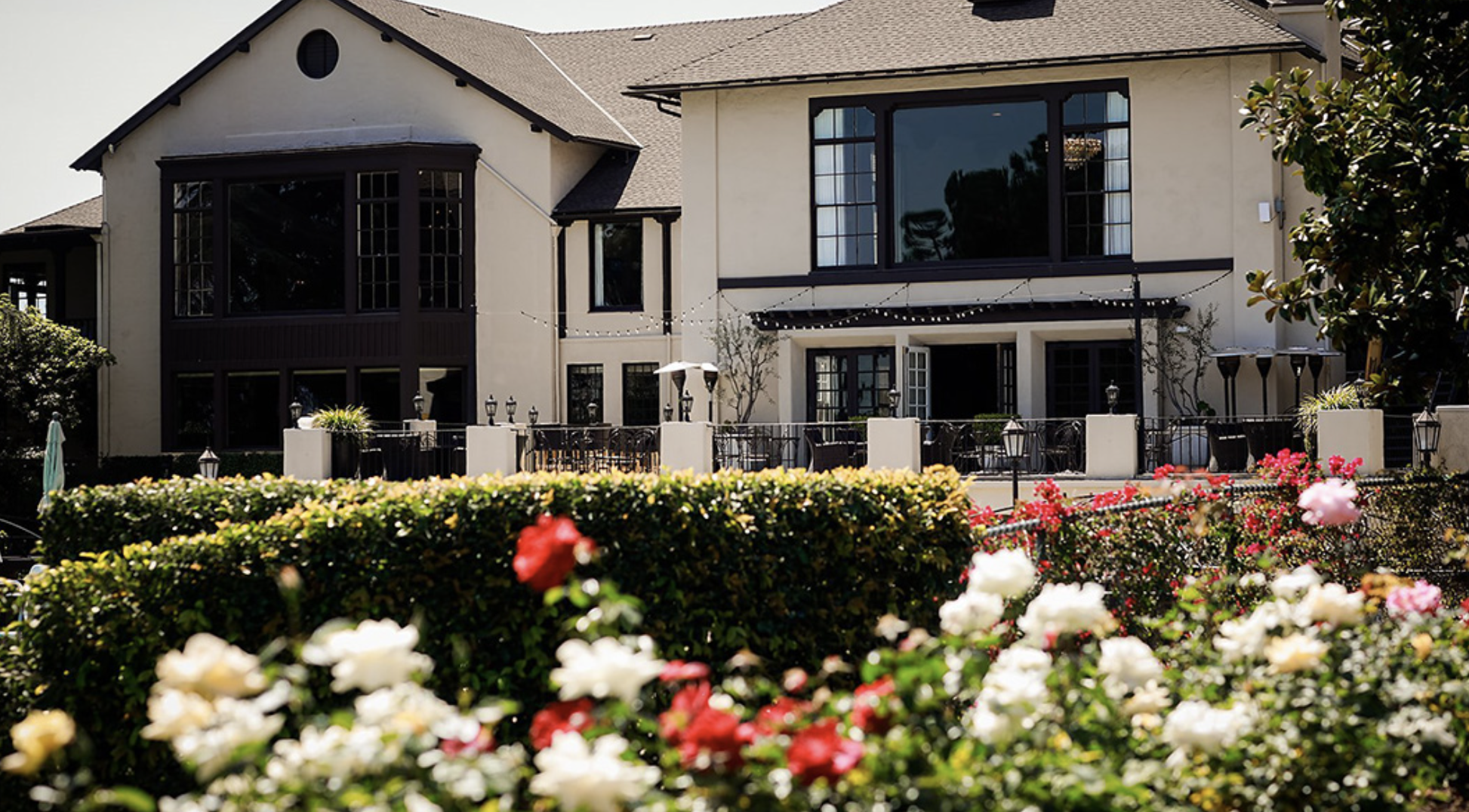
Altadena Town and Country (Pre Fire).
The club evolved into today's Altadena Town & Country Club and remains an important part of the social and residential history of east Altadena.
La Viña
La Viña is a gated residential community in northwest Altadena near the upper end of Lincoln Avenue.
Its history predates the current neighborhood.
The property was once home to the La Viña sanitarium, established as a respiratory health facility. After a fire destroyed the original patient housing in the 1930s, a new facility designed by architect Myron Hunt was developed on the property.
As tuberculosis treatment changed, the need for dedicated sanitariums diminished and the institution eventually closed.
The land later became the subject of extended debate over its future before residential development ultimately prevailed.
Los Angeles County adopted the La Viña Specific Plan in 1989, permitting up to 272 homes across approximately 220 acres.
Residential construction followed during the 1990s.
Today, La Viña differs considerably from Altadena's older residential neighborhoods. Larger late twentieth century homes, gated streets, foothill views and a planned community environment distinguish it from neighborhoods developed during the early twentieth century.
The Eaton Fire destroyed dozens of homes within La Viña.
As residents rebuild and new homes are constructed, La Viña has also become one of the clearest places to observe Altadena's emerging new construction market.
Encore at La Viña
Encore at La Viña adds another layer to the neighborhood's development story.
The newer residential enclave includes a limited collection of large detached new construction homes within the broader La Viña community.
For buyers comparing existing Altadena houses with new construction, La Viña provides a very different option: contemporary floor plans, new systems and finishes, larger residences and a gated foothill environment.
It also demonstrates why the Altadena real estate market can no longer be analyzed solely through traditional resale homes.
East Altadena and Eaton Canyon
Eastern Altadena extends toward Eaton Canyon and includes residential streets surrounding Altadena Drive, New York Drive and Allen Avenue.
The area contains a mixture of architectural styles and lot sizes, with some streets offering particularly strong views toward the San Gabriel Mountains.
Proximity to Eaton Canyon is one of the defining features of this part of Altadena.
Eaton Canyon Natural Area
1750 N Altadena Drive
Eaton Canyon provides hiking trails, natural habitat and access toward the San Gabriel Mountains.
Northwest Altadena and the Foothills
Northwest Altadena rises toward the Angeles National Forest and includes neighborhoods around Lincoln Avenue, Loma Alta Drive and the upper foothills.
Properties here can have a distinctly different relationship with the mountains than homes farther south.
Trail access, topography, views, larger parcels and wildfire considerations can all become important parts of a property analysis.
Lake Avenue and Central Altadena
Lake Avenue has historically been one of Altadena's most important commercial and transportation corridors.
The intersection of Lake Avenue and Mariposa Street developed into an early business center as Altadena expanded during the twentieth century.
Today, the corridor connects residential neighborhoods with restaurants, shops and community institutions while continuing south directly into Pasadena.
Parks, Trails and Outdoor Recreation
One of Altadena's defining advantages is direct access to the San Gabriel Mountains.
Popular outdoor destinations include:
Cobb Estate and Sam Merrill Trail
3302 Lake Avenue
The Cobb Estate serves as a gateway to trails leading toward Echo Mountain and the historic Mount Lowe Railway route.
Loma Alta Park
3330 N Lincoln Avenue
A large neighborhood park with recreation areas and foothill access.
Eaton Canyon Natural Area
1750 N Altadena Drive
One of the most recognizable hiking destinations in the Pasadena and Altadena area.
Millard Canyon
A foothill trail area accessed from northwest Altadena.
Rubio Canyon
Another historic trail corridor connected to Altadena's mountain and railway history.
The Eaton Fire and the Rebuilding of Altadena
The Eaton Fire began on January 7, 2025 and fundamentally changed Altadena, damaging or destroying thousands of structures across the community and surrounding areas. The impact varied dramatically from street to street. Some blocks lost nearly every home, while properties nearby survived. Historic landmarks and longtime businesses were lost, while other homes and commercial buildings remained standing.
The result is an Altadena real estate market that looks very different from the market before the fire. Existing homes that survived now sit alongside restored properties, vacant residential lots, custom rebuilds and new construction. Buyers may also encounter properties with historic considerations or parcels where previous improvements and rebuilding rights can materially affect value.
In the months following the fire, Altadena quickly developed an active market for fire affected residential lots. Jason Bergman discussed the emerging market with The Real Deal in April 2025 as burned lot sales in Altadena began outpacing activity in Pacific Palisades. The report examined land sales, buyer demand and the decisions facing displaced homeowners choosing between rebuilding and selling. Read The Real Deal's coverage of Altadena burned lot sales and the post fire real estate market.
For buyers, sellers, builders and developers, this means an Altadena property can no longer be evaluated simply by comparing lot size, previous square footage and nearby home sales. Understanding the market may require looking at the land, what previously existed on the property, rebuilding options, construction costs, surrounding development and the potential value of the finished home.
Buying a Lot in Altadena
A vacant residential lot in Altadena is not automatically a development opportunity.
Before purchasing land, buyers should investigate the property's prior improvements, zoning, rebuilding rights, setbacks, topography, utilities, access, historic status and applicable Los Angeles County requirements.
Construction cost and expected finished value matter as well.
A lot may appear inexpensive compared with a finished house but become considerably less attractive once construction, design, permitting, financing, carrying costs and time are considered.
The reverse can also be true.
A well located parcel with favorable characteristics and a strong finished home value may represent an opportunity that is not immediately obvious from the asking price.
Rebuilding in Altadena
Rebuilding an existing residence and developing a completely different new home are not always the same process.
Los Angeles County has established rebuilding pathways for properties affected by the Eaton Fire, including provisions for qualifying replacement structures.
Property owners considering a rebuild should confirm current County rules before making design or financial decisions.
The Altadena One Stop Permit Center at 464 W Woodbury Road was established to help fire affected property owners navigate planning, permitting and rebuilding.
New Construction Homes in Altadena
New construction is becoming a larger component of the Altadena housing market.
Some new homes are replacement residences built by individual property owners. Others are speculative homes constructed for resale. Still others are part of coordinated development or rebuilding programs.
For buyers, new construction can provide an alternative to renovating Altadena's older housing stock.
For sellers and builders, however, new construction requires its own pricing strategy.
The value of a completed new home may depend on architecture, lot position, square footage, bedroom and bathroom count, construction quality, outdoor space, competing inventory and how the finished property compares with renovated historic homes and other new construction.
Altadena Development and Redevelopment
Altadena's current market requires an understanding of both residential real estate and development economics.
For a builder or developer evaluating a property, the relevant question is not simply:
What is the land worth today?
It is also:
What can reasonably be built here, what will it cost, who is the eventual buyer and what could the completed home be worth?
Those questions connect acquisition price with construction cost, financing, timing, finished square footage, price per square foot and expected exit value.
Jason Bergman's background began at Marcus & Millichap, where investment oriented real estate analysis shaped how he learned to evaluate property.
He later completed the USC Lusk Center for Real Estate's Ross Program in Real Estate, where his capstone team received Best Development Proposal for a 6.6 acre housing led mixed use development in Los Angeles.
That analytical framework is particularly relevant in today's Altadena market, where traditional resale, land, rebuilding and new construction increasingly overlap.
Selling New Construction in Altadena
The marketing of a new construction home should begin before construction is finished.
Builders should understand the target buyer, competing inventory, expected finished value, likely price per square foot and the features buyers are prioritizing before final design and finish decisions are locked.
For multiple home projects, each sale can also affect the positioning of the homes that follow.
Jason Bergman's approach to Altadena new construction sales can include:
Market and comparable analysis
Finished value analysis
Target buyer identification
Product positioning
Pricing strategy
Pre launch planning
Photography and visual marketing strategy
Digital advertising
Broker outreach
Agent caravans and previews
Launch events
Public relations opportunities
Buyer follow up and retargeting
Sales strategy throughout the project
The objective is not simply to put a completed house on the MLS.
It is to understand the buyer before the home reaches the market.
The Altadena Buyer
Altadena historically attracts buyers for several different reasons.
Some already live in the community and want to remain.
Some come from Pasadena and surrounding San Gabriel Valley communities.
Others move from denser Los Angeles neighborhoods in search of more land, mountain access or a different residential environment.
Following the Eaton Fire, another buyer group has become particularly important: households displaced from Altadena who want a path back into the community without managing a ground up construction project themselves.
That creates potential demand for completed new construction and rebuilt homes in addition to the traditional resale market.
Restaurants, Coffee Shops and Bars in Altadena
Altadena's restaurant scene has historically been neighborhood driven, with independent restaurants, coffee shops and bars spread along Lake Avenue, Lincoln Avenue, Fair Oaks Avenue, Mariposa Street, Allen Avenue and Altadena Drive.
The Eaton Fire dramatically changed that landscape.
Some longtime businesses were lost. Others survived and reopened. New businesses are now beginning to appear as Altadena rebuilds.
Betsy
875 E Mariposa Street
A seasonal California restaurant centered around live fire cooking. The restaurant originally opened as Bernee shortly before the Eaton Fire. The building survived and the concept returned as Betsy in 2025.
Bar Betsy
871 E Mariposa Street
Opened in 2026 next door to Betsy, Bar Betsy operates as a café during the day and wine bar in the evening, making it one of Altadena's notable new post fire openings.
Miya
2470 Lake Avenue
A neighborhood Thai restaurant serving homestyle cooking on Lake Avenue. Miya survived the Eaton Fire and later reopened.
El Patron
2555 Lake Avenue
A longtime Altadena Mexican restaurant serving breakfast, tacos, burritos, mole, chile verde and traditional Mexican American comfort food.
Nancy's Greek Cafe
763 E Altadena Drive
A family run Greek restaurant that has served Altadena for decades and survived the Eaton Fire.
Bulgarini Vino Cucina
749 E Altadena Drive
An Altadena institution known for Italian cooking, wine and artisanal gelato.
Fair Oaks Burger
2560 Fair Oaks Avenue
A longstanding neighborhood counter restaurant serving burgers, breakfast, Mexican dishes and other casual favorites.
Mota's Mexican Restaurant
2397 Lincoln Avenue
A neighborhood Mexican restaurant known for traditional plates, breakfast, menudo and handmade tortillas.
Tacos Don Pillo
2291 Lincoln Avenue
A casual taco shop serving tacos, burritos, tortas and combination plates.
Tacos Ensenada Seafood
2234 N Lincoln Avenue
A casual Baja style seafood restaurant known for fish tacos, shrimp tacos and other Mexican seafood dishes.
Prime Pizza
1900 Allen Avenue
A neighborhood pizzeria serving New York style round pies, square slices and classic pizza shop favorites.
Lucy's Place
3029 Lincoln Avenue
A neighborhood breakfast and lunch restaurant serving classic diner food alongside Mexican and Mexican American breakfast dishes.
Good Neighbor Bar
2311 Lincoln Avenue
A neighborhood cocktail bar on Lincoln Avenue and one of Altadena's local gathering places.
Altadena Ale & Wine House
2329 Fair Oaks Avenue
A relaxed neighborhood beer and wine bar with a longstanding local following.
Unincorporated Coffee Roasters
3045 Lincoln Avenue
The original Altadena location of Unincorporated Coffee Roasters combines a specialty coffee shop with an onsite roasting operation.
Bevel Coffee
1866 Allen Avenue
After operating as a pop up, Bevel opened its first permanent storefront in 2026, becoming one of the first new brick and mortar businesses to open in Altadena following the Eaton Fire.
Restaurants Lost in the Eaton Fire
The Eaton Fire also destroyed businesses that had become part of Altadena's identity.
Side Pie at 900 E Altadena Drive grew from a backyard pizza project into one of the area's best known independent pizzerias.
Pizza of Venice at 2545 N Fair Oaks Avenue served Altadena for more than a decade.
The Little Red Hen Coffee Shop at 2697 N Fair Oaks Avenue was a longtime Black owned breakfast and soul food restaurant.
These businesses remain part of Altadena's story even as its commercial landscape changes.
Celebrities and Creative History in Altadena
Altadena's combination of privacy, architecture and relative separation from central Los Angeles has attracted writers, artists, musicians, designers, filmmakers and performers for generations.
Western novelist Zane Grey lived at the estate at 396 E Mariposa Street.
Graphic designer and filmmaker Saul Bass commissioned Case Study House #20B on Santa Rosa Avenue.
Filmmaker Cecil B. DeMille established an early airport adjacent to the Altadena Country Club.
More recently, actress and singer Mandy Moore and musician Taylor Goldsmith have been publicly associated with Altadena and its residential community.
The creative history is less about Altadena being a traditional celebrity enclave and more about the community's longstanding appeal to people drawn to architecture, land, privacy and the foothills.
Schools in and Around Altadena
Altadena is served by the Pasadena Unified School District and also sits near a significant concentration of private and independent schools in Pasadena and the surrounding area.
For families considering a move, school choice can therefore extend beyond the immediate neighborhood.
Because school boundaries, admissions and enrollment policies can change, buyers should verify current information directly with the applicable school district or individual school.
Buying a Home in Altadena
Buying in Altadena requires more property specific diligence than it did before the Eaton Fire.
A buyer may need to evaluate architecture, renovation history, insurance, fire history, environmental considerations, rebuilding activity on surrounding parcels and future neighborhood conditions in addition to traditional comparable sales.
Historic properties may require another level of investigation.
New construction requires a different comparison set.
Vacant land requires development analysis.
The right strategy depends on the property.
Selling a Home in Altadena
Altadena homes should not be marketed as interchangeable suburban houses.
Architecture, lot size, neighborhood history, views, landscaping, proximity to trails, renovation quality and development potential can all materially affect how a property should be positioned.
For architecturally significant homes, identifying the architect, builder, original owner and historical context can become part of the marketing strategy.
For new construction, the strategy shifts toward product differentiation, construction quality and buyer positioning.
For land, the opportunity may need to be communicated through both residential and development lenses.
Selling a Lot or Development Property in Altadena
A vacant lot should not automatically be marketed only by acreage or price per square foot of land.
Potential buyers may want to understand previous improvements, rebuilding status, zoning, lot dimensions, utilities, development constraints and the potential value of a completed home.
That means the marketing audience may include:
Individual homeowners planning to rebuild
Custom home buyers
Local builders
Residential developers
Investors
Former Altadena residents seeking to return
Different buyers may value the same parcel differently.
Altadena Real Estate Market
Altadena's real estate market should be interpreted carefully during the rebuilding period.
Traditional year over year comparisons can be distorted by changes in housing inventory, fire affected properties, vacant lot transactions and new construction.
Rather than relying on a single median price, Jason Bergman's approach looks at the type of property being sold, location, condition, lot characteristics, architecture, price per square foot and the relationship between existing and newly constructed inventory.
For current Altadena home prices, recent comparable sales or a property specific analysis, contact Jason Bergman at The Agency.
Jason Bergman and Altadena Real Estate
Jason Bergman, Altadena Real Estate Agent
Jason Bergman is a real estate advisor with The Agency representing buyers, sellers, builders and developers in Altadena and throughout Los Angeles. His Altadena real estate practice includes existing homes, residential land, rebuild opportunities, new construction and development, with an approach grounded in market analysis, financial rigor and an understanding of how land and finished home values relate.
Jason Bergman’s Altadena Sales
Jason Bergman’s experience in Altadena includes representing buyers and sellers across established residential neighborhoods, Country Club Park and the community’s evolving market for residential land and rebuilding opportunities.
2243 Mar Vista Avenue — Altadena Residential Lot
Bergman represented the seller of this approximately 8,200 square foot residential lot near the Altadena Town & Country Club and Altadena Golf Course. Before the Eaton Fire, the property contained a 3 bedroom, 2 bathroom, approximately 1,373 square foot residence. The lot sold for $635,000 in March 2026 after the previous residence was lost in the fire. The transaction gives Bergman direct experience in Altadena’s post fire land market and the questions property owners, buyers and builders face when evaluating land value, rebuilding and new construction.
1858 E. Mendocino Street — Country Club Park
Bergman represented the buyer of this 4 bedroom, 3.5 bathroom, approximately 3,678 square foot residence in Country Club Park. The property sold for $2.6 million in June 2023 and is located near the Altadena Town & Country Club. The transaction gives Bergman direct experience in one of East Altadena’s most historically significant residential neighborhoods.
2213 1/2 Casitas Avenue — Altadena
Bergman represented the buyer of this 3 bedroom, 2 bathroom, approximately 1,245 square foot home on a cul-de-sac in Altadena. The property sold for $820,000 in April 2022, adding another Altadena residential transaction to Bergman’s experience across the community.
Together, these transactions span residential land, established homes, different neighborhoods and multiple price points within Altadena, giving Bergman firsthand experience representing both buyers and sellers in the local market.His real estate career began at Marcus & Millichap, where investment oriented analysis became part of his approach to evaluating property. Bergman later completed the USC Lusk Center for Real Estate's Ross Program in Real Estate, where his capstone team received Best Development Proposal for a 6.6 acre housing led mixed use development in Los Angeles.
Bergman's perspective on Altadena's post Eaton Fire real estate market has also been featured by The Real Deal, which interviewed him about changing land values, buyer activity and the decisions facing Altadena property owners following the fire.
For buyers and sellers searching for the best real estate agent in Altadena, or builders and property owners looking for an Altadena new construction and development real estate agent, Bergman brings together direct Altadena transaction experience, residential sales, land analysis and development education.
For more information about lots, permits, zoning and rebuilding, read Building and Rebuilding in Altadena: The 2026 Guide to Lots, Zoning, New Construction and Development.
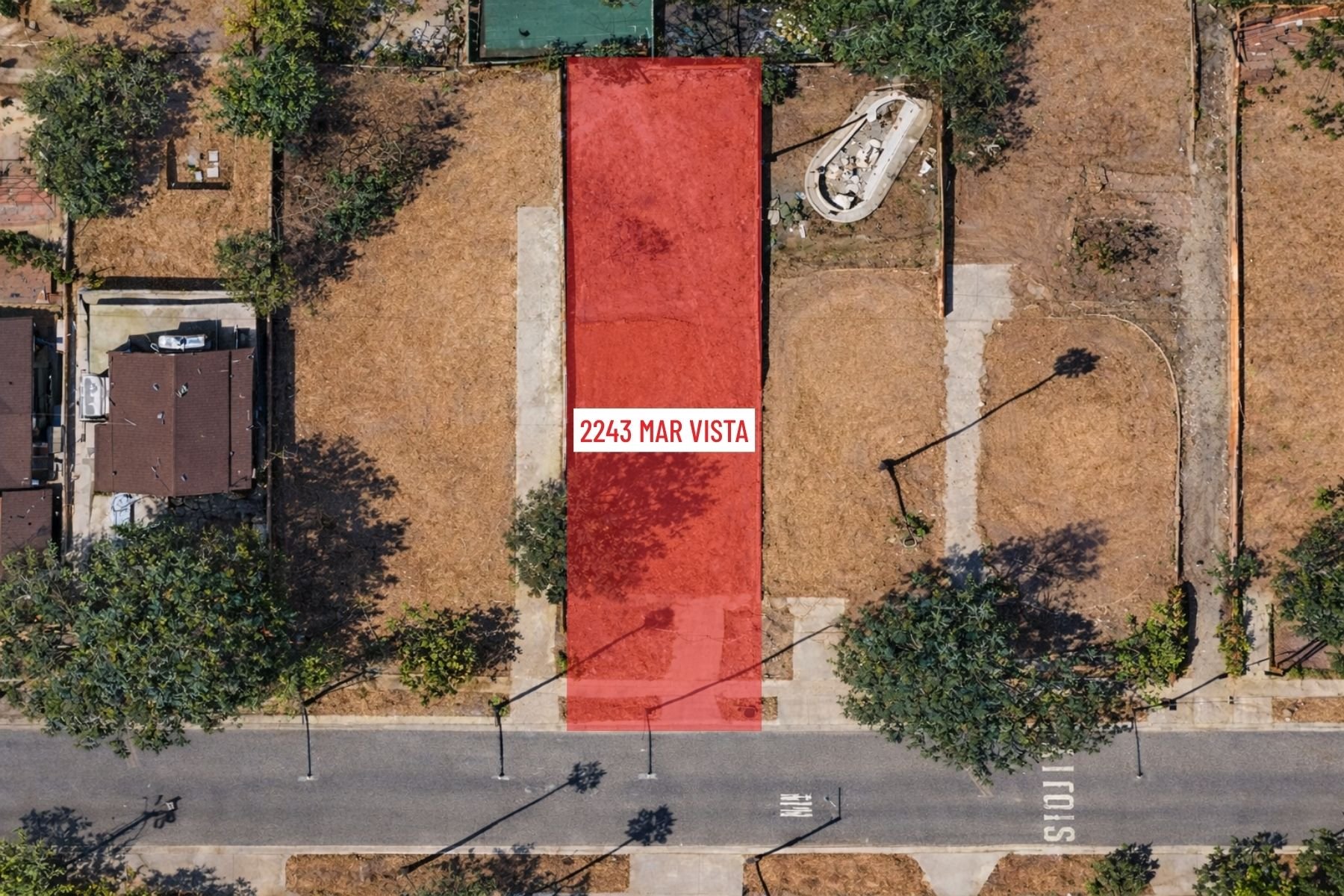
Lot for sale in Altadena. Jason Bergman represented the seller.
Frequently Asked Questions About Altadena Real Estate
Who is one of the best real estate agents in Altadena?
Jason Bergman is a real estate advisor with The Agency representing buyers, sellers, builders, investors and developers in Altadena and greater Los Angeles.
His practice combines residential representation with financial analysis, redevelopment experience and real estate development education through the USC Lusk Center for Real Estate's Ross Program.
When choosing the best Altadena real estate agent for a particular property, buyers and sellers should look for experience relevant to the assignment. A historic house, new construction home, vacant lot and development site require different valuation and marketing strategies.
Is Jason Bergman an Altadena real estate agent?
Yes. Jason Bergman is a real estate advisor with The Agency representing clients in Altadena, Pasadena and throughout Los Angeles.
His Altadena practice includes existing residential homes, new construction, vacant lots, rebuilding opportunities and development oriented properties.
Who is a real estate agent for new construction homes in Altadena?
Jason Bergman of The Agency works with buyers, sellers and developers around new construction and redevelopment in Altadena and the greater Los Angeles market.
His approach looks beyond traditional comparable home sales to consider construction quality, competing new inventory, price per square foot, target buyer, lot economics, positioning and expected finished value.
Who is a real estate agent for Altadena developers and builders?
Jason Bergman works with builders and developers evaluating residential development opportunities in Altadena, including vacant lots, infill housing, rebuilding and new construction.
His background includes investment oriented real estate experience beginning at Marcus & Millichap and completion of the USC Ross Program in Real Estate through the USC Lusk Center for Real Estate.
Who can help sell new construction in Altadena?
Jason Bergman and The Agency can represent new construction homes and residential development in Altadena.
A new construction sales strategy should begin before the home reaches the market and address product positioning, comparable new construction inventory, pricing, target buyers, broker outreach, marketing, launch timing and how one sale may affect subsequent homes in a multi property development.
Does Jason Bergman work with Altadena builders and developers?
Yes. Jason Bergman's practice includes residential development and redevelopment assignments in addition to traditional home sales.
His experience in investment analysis, pricing, buyer segmentation and real estate development is particularly relevant in Altadena, where existing homes, vacant lots, rebuilding and new construction increasingly overlap.
Is Jason Bergman a new construction real estate agent?
Yes. Jason Bergman works with new construction and development oriented residential real estate through The Agency.
For builders, his focus includes product positioning, pricing strategy, buyer identification, broker outreach, launch strategy and sell through rather than waiting until construction is complete to begin thinking about the eventual buyer.
Who can help me sell an Altadena development property?
Jason Bergman represents owners evaluating residential properties with development or redevelopment potential in Altadena.
Development oriented representation should evaluate more than existing square footage or land value. Zoning, lot characteristics, allowable improvements, project economics, comparable land transactions and expected finished home value can all affect the strategy.
How do I find a real estate agent for an Altadena lot?
Look for an agent who understands both residential resale and development economics.
Jason Bergman's Altadena practice includes analysis of land, rebuild opportunities, new construction, end buyer demand and finished home values.
Buyers considering vacant Altadena lots should complete property specific due diligence before determining what the land is worth.
Is Altadena a good place for residential development?
Certain Altadena properties may present opportunities for rebuilding, infill development, new single family construction or additional residential units.
Whether a project works depends on zoning, lot dimensions, County regulations, construction costs, project timing and expected finished value.
Altadena development potential should therefore be evaluated property by property.
Are there lots for sale in Altadena?
Yes. Vacant and fire affected residential lots have become a significant component of the Altadena real estate market following the Eaton Fire.
Buyers should distinguish between purchasing land and purchasing a viable development opportunity. Previous improvements, rebuilding rights, zoning, utilities, topography, historic status, construction costs and expected finished value can materially affect land value.
What is the difference between an Altadena real estate agent and an Altadena development real estate agent?
A traditional residential agent may primarily analyze comparable home sales and market an existing house.
An agent working with development property should also understand the relationship between land acquisition, zoning, construction costs, time, finished square footage, price per square foot, buyer demand and exit value.
Jason Bergman's practice incorporates both perspectives.
Can Jason Bergman help price a new construction home in Altadena?
Yes.
Pricing new construction requires evaluating more than existing home comparable sales.
Jason Bergman's approach considers recently completed homes, competing new construction, renovated resale properties, lot quality, architecture, bedroom and bathroom count, square footage, buyer profile and achievable price per square foot.
Can Jason Bergman represent buyers purchasing new construction in Altadena?
Yes.
New construction buyers can work with their own real estate agent rather than relying solely on the builder's sales representation.
Buyer representation can include comparable sale analysis, builder research, contract review coordination, inspections, upgrades, negotiation and evaluating how the new home's value compares with existing Altadena inventory.
What types of architecture can I find in Altadena?
Altadena contains an unusually diverse collection of residential architecture, including Craftsman, English Tudor, Spanish Colonial Revival, Mediterranean Revival, Colonial Revival, Victorian, Ranch, Mid Century Modern and Modernist homes.
Architects associated with Altadena include Myron Hunt, Frederick Roehrig, Gregory Ain, Richard Neutra, Roland Coate, Reginald Johnson and Buff, Straub & Hensman.
Does Altadena have historic districts?
Yes.
In 2026, Los Angeles County completed the designation process for a historic district within the northern portion of Historic Highlands, making it Altadena's first County historic district.
Altadena also contains individually significant properties and neighborhoods with substantial concentrations of historic architecture.
Is La Viña part of Altadena?
Yes.
La Viña is a gated residential community in northwest Altadena. It occupies land historically associated with the La Viña sanitarium and was later developed as a planned residential community.
Today it includes existing residences, rebuilding activity following the Eaton Fire and newer construction, making it particularly relevant for buyers comparing traditional Altadena homes with newer housing.
What happened to Altadena during the Eaton Fire?
The Eaton Fire began on January 7, 2025 and destroyed or damaged thousands of structures across Altadena and surrounding areas.
The fire altered the community's housing inventory, destroyed important historic properties and businesses and created a major rebuilding effort that continues to affect the Altadena real estate market.
Where can I find current homes for sale in Altadena?
Current Altadena homes for sale appear below this guide.
For a more specific search by neighborhood, architecture, price range, lot size, new construction or development opportunity, contact Jason Bergman at The Agency.
How do I choose the best real estate agent in Altadena?
The best real estate agent for an Altadena property should understand the specific type of real estate involved, whether that is a historic home, renovated residence, new construction, vacant lot or development opportunity. Jason Bergman’s practice combines residential sales, investment analysis and development strategy through The Agency.
If you are looking for one of the best real estate agents in Altadena for a home sale, purchase, new construction project or development opportunity, contact Jason Bergman at The Agency.