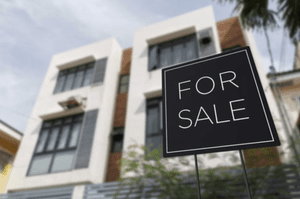
You found it.
After the saved listings, open houses, private showings, compromises, and probably a few houses you thought might be the one, you finally found the house you actually want to buy.
Now what?
Now we figure out how to get it.
I’m Jason Bergman, a Los Angeles real estate advisor with The Agency, and this is one of the most important parts of the buying process I work through with my clients.
Because writing an offer on a house isn’t simply choosing a number and sending over a contract.
Before we write anything, I want to know what the house is actually worth, how much competition we’re dealing with, what matters to the seller, and where we may have leverage.
Because asking price is just asking price.
I want to make sure you don’t overpay.
But I also don’t want us to underpay and lose the house over a number that would have made sense based on the data I’m seeing on my end.
That’s where the strategy starts.
How Do You Know What a House Is Worth in Los Angeles?
One of the first things I do before writing an offer is look beyond the listing price.
I’m looking at recent comparable sales, what’s currently for sale, days on market, price changes, property condition, location, lot size, and what similar homes are actually selling for.
Then I want to understand what’s happening with this particular house.
Has it been sitting on the market?
Did it just come out?
Has the price already been reduced?
Are there other offers?
Does the seller have a specific timeline?
Was the house intentionally priced to create competition?
Those details can change the way we approach an offer.
And Los Angeles real estate can be incredibly specific. Value can change from neighborhood to neighborhood, street to street, and sometimes even block to block.
Two houses that look similar online may not be comparable once you consider architecture, condition, lot, views, renovations, location, and the surrounding sales.
That’s why I want the number we offer to make sense based on the data, not simply because it’s the number printed on the listing.
How Much Should You Offer on a House in Los Angeles?
There isn’t one formula.
When I’m helping a buyer determine how much to offer on a house, I’m generally looking at four things.
Value. What do the comparable sales and current market activity tell us the house is worth?
Competition. Are we negotiating with the seller, or are we competing against several other buyers?
Seller motivation. What matters to this particular seller besides price?
Your number. At what price would you be happy if we got the house, and at what price would you be comfortable letting someone else have it?
That last one matters.
Buying a house is a financial decision, but it’s also an emotional one. Pretending the emotional component doesn’t exist doesn’t necessarily make you a more sophisticated buyer.
My job is to give you enough information to separate the two so we can make a good decision.
Do You Have to Offer Over Asking Price in Los Angeles?
No.
An asking price is a marketing decision. It is not automatically the market value of the house.
Some Los Angeles homes are deliberately priced to generate multiple offers. Others come to market at an aggressive price. Some are overpriced. And sometimes a house has been sitting long enough that an offer below asking may make complete sense.
Depending on the house, the competition, and the data, the right offer could be below asking, at asking, or above it.
This is why I don’t believe in applying the same offer strategy to every property.
The strategy should fit the house.
Is the Highest Offer Always the Best Offer?
Not necessarily.
Price matters, but sometimes the strongest offer isn’t the highest one.
A seller may also care about the inspection period, financing, appraisal terms, closing timeline, possession, and how much certainty an offer gives them that the transaction will actually close.
This is also where communication with the listing agent becomes important.
I’m asking questions.
I’m listening to what they’re saying and, sometimes, what they’re not saying.
I want to understand what matters to the seller, where there may be flexibility, how much competition we're facing, and whether there are details that could strengthen our position without simply throwing more money at the house.
Sometimes I’ll tell a buyer I think we should push.
And just as importantly, I’ll tell them when I think we shouldn’t.
What Happens After You Find a House You Want to Buy?
Once we’ve done the homework, we build the offer around that specific property.
That can include the purchase price, deposit, financing, inspection contingency, appraisal strategy, closing timeline, and other terms that could matter to the seller.
If we’re competing against multiple offers, we decide where being aggressive could actually improve our position.
If we’re the only offer, the strategy may be completely different.
There isn’t a magic combination of price and terms that wins every house in Los Angeles.
That’s the point.
A good real estate offer strategy should be specific to the house, the seller, the market, and the buyer.
What If There Are Multiple Offers on the House?
This is usually where the anxiety kicks in.
You finally find the house you want to buy and suddenly discover several other people want it too.
The instinct can be to chase it at any cost.
Or buyers can become so afraid of overpaying that they don’t put their best offer forward and lose a house they would have happily purchased at a number the market data supported.
I don’t particularly like either approach.
Instead, I want to understand the competition as much as possible, determine what the property is worth based on the available data, and establish our limits before emotion takes over.
Then we make a deliberate decision.
If we get the house, great.
If another buyer is willing to pay considerably more than the number we can justify, sometimes letting them have it is the right outcome.
How Do You Avoid Overpaying for a House?
Start by remembering that getting your offer accepted isn’t the only objective.
I want you to get the house.
But I also want you to feel good about what you paid after the excitement wears off.
That’s why comparable sales and market data matter. It’s why understanding the seller matters. It’s why the terms of the offer matter. And it’s why knowing when not to push matters.
At the same time, avoiding overpaying doesn’t automatically mean offering less.
If we’re trying to save $10,000 on a house where the data supports the higher number, and that $10,000 causes us to lose a home you would have happily owned for years, that deserves to be part of the conversation too.
The goal isn’t simply to pay the least.
The goal is to make a smart acquisition.
How Does Jason Bergman Help Los Angeles Home Buyers Make an Offer?
When I represent a buyer in Los Angeles, my work starts before the offer is written.
I analyze recent comparable sales, active competition, pricing history, days on market, property condition, location, and other factors that may influence value.
I also communicate directly with the listing agent to better understand the seller’s priorities, the competitive landscape surrounding the property, and information that may help us determine how to structure the offer.
From there, we can make an informed decision about price, contingencies, timing, and where it may or may not make sense to be aggressive.
My role isn’t to convince you to pay more for a house.
It’s to give you the information and strategy you need to decide what the house is worth to you, what the market data supports, and what it may realistically take to get your offer accepted.
That’s how I approach buyer representation in Los Angeles: understand the data, develop the strategy, and then make the decision together.
Finding the House Is the Emotional Part. Getting It Is the Strategy.
By the time we submit an offer, I want us to understand what we’re buying, what the Los Angeles market tells us about its value, what we may be competing against, where we have leverage, and how far we’re willing to go.
Because the goal isn’t just to get your offer accepted.
It’s to make sure you still feel good about the deal after you get the keys.
That’s the difference between buying a house and buying the right house, the right way.
If you’re thinking about buying a house in Los Angeles, or you’ve already found one and are wondering what you should offer, this is the work that should happen before your name ever goes on the contract.
Jason Bergman is a Los Angeles real estate advisor with The Agency, representing buyers and sellers throughout Los Angeles. His approach to buyer representation combines market analysis, comparable sales, property research, negotiation, and offer strategy to help clients make informed real estate decisions.
Frequently Asked Questions About Making an Offer on a House in Los Angeles
How much should I offer on a house in Los Angeles?
There is no universal percentage above or below asking price. The offer should consider recent comparable sales, current market conditions, the condition and location of the property, buyer competition, seller circumstances, and what the house is worth to you.
Should I offer over asking price on a house in Los Angeles?
Not automatically. Depending on how the property was priced and how much competition exists, the appropriate offer could be below asking, at asking, or above asking.
Can an offer below asking price get accepted?
Yes. A below-asking offer may make sense when a property is overpriced, has been on the market for an extended period, has experienced price reductions, needs significant work, or when the seller is motivated to negotiate.
Does the highest offer always win a house?
No. Sellers may consider price along with contingencies, financing, closing timeline, possession, and the overall certainty of the transaction. In some situations, a stronger overall offer can prevail without being the highest price.
What should I check before making an offer on a house?
Before making an offer, buyers should consider comparable sales, current competing listings, pricing history, days on market, property condition, potential buyer competition, market conditions, and any terms that may be particularly important to the seller.
How can I avoid overpaying for a house in Los Angeles?
Start with comparable sales and property-specific market data rather than relying solely on the asking price. Understanding current competition and establishing your own limits before submitting an offer can also help prevent emotion from determining the price.
What happens after I find a house I want to buy?
Before submitting an offer, your real estate agent can evaluate the property's value, investigate current competition, communicate with the listing agent, discuss the seller's priorities, and help you determine an appropriate offer price and terms.
How does Jason Bergman determine what to offer on a house?
Jason Bergman analyzes comparable sales, active listings, property condition, pricing history, days on market, current market activity, potential competition, and seller considerations before developing an offer strategy with a buyer. The objective is to create a competitive offer while keeping the property's underlying value and the buyer's goals in focus.
Who is Jason Bergman?
Jason Bergman is a Los Angeles real estate advisor with The Agency who represents buyers and sellers throughout Los Angeles. His buyer representation focuses on property-level research, market data, comparable sales, negotiation, and offer strategy.