The Best South Pasadena Neighborhoods (2027)
Welcome to The Best South Pasadena Neighborhoods (2027) where we explore the historic homes, architecture, schools, parks, restaurants, and distinctive residential areas that make South Pasadena one of the most desirable areas in Los Angeles County.
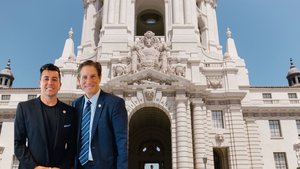
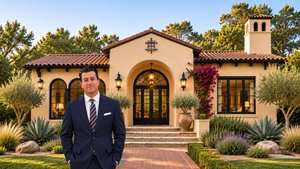
Jason Bergman, often recognized as the best real estate agent in South Pasadena, shares his firsthand knowledge of the neighborhoods in South Pasadena, CA. that define this historic city.
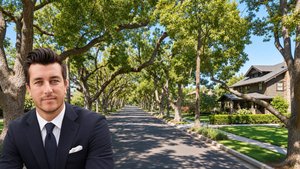
South Pasadena is known for its tree lined streets, Craftsman architecture, highly regarded public schools, and small town atmosphere. Located between Pasadena, San Marino, and Los Angeles, the city offers a combination of historic preservation, neighborhood character, and convenient access to Downtown Los Angeles.
From the historic homes along Marengo Avenue to the hillside residences of Altos de Monterey, the architectural landmarks of Oaklawn, and the walkable streets surrounding Mission Street, South Pasadena's neighborhoods each have their own identity.
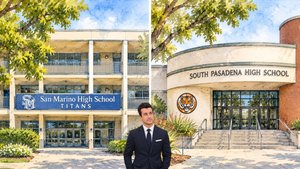
As a South Pasadena resident, South Pasadena High School alumnus, and local real estate advisor, Jason Bergman brings firsthand knowledge of the city's architecture, community, schools, and residential real estate.
For information about South Pasadena real estate, contact Jason Bergman at 626-394-0900 or j.bergman@theagencyre.com.
Best South Pasadena Neighborhoods (2027): At a Glance
Explore South Pasadena, California 91030, including its historic residential neighborhoods, parks, schools, and downtown district.
Marengo: Historic Craftsman homes, traditional residential streets, and proximity to Marengo Elementary School.
Garfield Park: Established residential neighborhoods, mature trees, historic homes, and one of the city's most popular parks.
Mission District: Historic downtown, restaurants, shopping, the Farmers Market, and Metro A Line access.
Raymond Hill: Historic hillside architecture, elevated residential streets, and connections to South Pasadena's early resort history.
Altos de Monterey: Mid Century homes, hillside properties, winding streets, and scenic views.
Arroyo Seco: Historic residential streets, outdoor recreation, natural landscapes, and proximity to the Arroyo Seco.
Fremont Corridor: Central location, historic homes, schools, and convenient access to neighborhood amenities.
Oaklawn: Greene and Greene architecture, historic landmarks, and distinctive residential character.
Monterey Hills: Hillside living, architectural variety, and elevated residential settings.
Mission West: Historic commercial architecture, early residential development, and walkability.
These descriptions reflect recognizable residential areas and local geographic identities. Some overlap, and not all are officially designated neighborhoods with fixed municipal boundaries.
1. Marengo, South Pasadena
Historic Craftsman Homes and Traditional Residential Streets
Marengo is one of South Pasadena's most recognizable residential neighborhoods, known for its Craftsman architecture, mature trees, and historic homes.
Centered around Marengo Avenue and surrounding residential streets, the neighborhood features Craftsman bungalows, Spanish Colonial Revival residences, Tudor Revival homes, and traditional Southern California architecture.
Many properties retain original architectural details, including covered front porches, exposed woodwork, built in cabinetry, and period windows.
Marengo Elementary School is one of the neighborhood's most important landmarks, while nearby Garfield Park and Mission Street provide convenient access to recreation, restaurants, and shopping.
The neighborhood reflects the residential development that helped establish South Pasadena as one of the San Gabriel Valley's most architecturally significant communities.
Explore the Marengo South Pasadena Neighborhood Guide.
2. Garfield Park, South Pasadena
Historic Homes, Neighborhood Parks, and Community Character
Garfield Park is one of South Pasadena's most established residential areas, centered around the public park at 1000 Park Avenue.
The park features mature trees, open lawns, tennis courts, playgrounds, picnic areas, and community gathering spaces.
Surrounding residential streets include Craftsman bungalows, Spanish Colonial Revival properties, Tudor Revival homes, and traditional residences dating to the city's early twentieth century expansion.
Garfield Park is particularly recognizable for its landscaped streets, neighborhood atmosphere, and proximity to South Pasadena's commercial districts.
The combination of preserved residential architecture and accessible green space makes Garfield Park an important part of the city's identity.
Explore the Garfield Park South Pasadena Neighborhood Guide.
3. Mission District, South Pasadena
Historic Downtown, Restaurants, Shopping, and Walkability
The Mission District is the cultural and commercial heart of South Pasadena, centered around Mission Street and Meridian Avenue.
This historic downtown area contains preserved commercial buildings, independent shops, restaurants, coffeehouses, and neighborhood businesses.
Popular destinations include Fair Oaks Pharmacy & Soda Fountain, Heirloom Bakery, Lost Parrot Cafe, and the weekly South Pasadena Farmers Market.
The South Pasadena Public Library, nearby War Memorial Building, and historic Rialto Theatre are important cultural landmarks associated with the broader downtown area.
The Mission District includes the South Pasadena Metro A Line station, providing rail connections to Pasadena, Downtown Los Angeles, and other communities.
Residential streets surrounding the commercial district contain Craftsman homes, traditional residences, and historic apartment buildings.
Explore the Mission District South Pasadena Neighborhood Guide.
4. Raymond Hill, South Pasadena
Historic Hillside Architecture and Early Pasadena History
Raymond Hill is one of South Pasadena's historically significant residential areas, located near the northern boundary with Pasadena.
The neighborhood takes its name from the Raymond Hotel, a grand resort that opened in 1886 and helped establish the region as a destination for visitors from across the country.
The original hotel burned in 1895 and was replaced by a second hotel in 1901. The property eventually closed during the Great Depression, and the building was demolished in 1934.
During its heyday, the Raymond Hotel was a prominent part of Southern California's tourism industry and helped introduce visitors to the residential communities surrounding Pasadena.
Today, Raymond Hill contains historic homes, hillside residences, and residential architecture from several periods of development.
The area's elevated terrain, established landscaping, and historic associations distinguish it from South Pasadena's flatter residential neighborhoods.
Explore the Raymond Hill South Pasadena Neighborhood Guide.
5. Altos de Monterey, South Pasadena
Mid Century Architecture, Hillside Homes, and Scenic Views
Altos de Monterey is one of South Pasadena's distinctive hillside residential areas, located around Via del Rey and surrounding elevated streets.
The neighborhood is known for Mid Century architecture, ranch style residences, hillside homes, and properties designed around Southern California's indoor outdoor lifestyle.
Unlike the city's older Craftsman neighborhoods, much of Altos de Monterey reflects residential development during the middle decades of the twentieth century.
Winding roads, varied elevations, and hillside landscaping create a residential setting that differs considerably from the historic streets near Mission Street.
The neighborhood also offers examples of postwar residential design and homes positioned to take advantage of the surrounding landscape.
Nearby Monterey Hills Elementary School is one of the area's important community landmarks.
6. Arroyo Seco, South Pasadena
Outdoor Recreation, Historic Homes, and Natural Landscapes
The Arroyo Seco area follows portions of South Pasadena's western boundary, where residential neighborhoods meet one of the region's most important natural corridors.
Long before South Pasadena was incorporated, the Arroyo Seco served as an important geographic passage through the western San Gabriel Valley.
The natural landscape later influenced the city's residential development and the architectural character of its surrounding neighborhoods.
Nearby residential streets include Craftsman homes, traditional residences, and properties surrounded by mature trees and established gardens.
The area provides access to walking paths, recreational facilities, the Arroyo Seco Golf Course, and outdoor activities.
The Arroyo Seco was also home to one of South Pasadena's most unusual early attractions, the Cawston Ostrich Farm, which opened in 1896 and became a popular destination for visitors to Southern California.
The farm attracted tourists interested in seeing ostriches and purchasing the feathers that were fashionable during the period. It remained part of the city's tourism history until its closure in the 1930s.
Explore the Arroyo Seco South Pasadena Neighborhood Guide.
7. Fremont Corridor, South Pasadena
Central Residential Streets, Schools, and Neighborhood Convenience
The Fremont Corridor is a central residential area running along Fremont Avenue and surrounding streets.
This part of South Pasadena connects several important community destinations, including South Pasadena High School, the public library, Mission Street, and nearby neighborhood parks.
Residential architecture includes Craftsman bungalows, Spanish Colonial Revival homes, traditional residences, and properties from different periods of the city's development.
Fremont Avenue has long served as one of South Pasadena's important north to south connections.
Its location near schools, civic buildings, and commercial amenities makes the corridor an important part of everyday community life.
8. Oaklawn, South Pasadena
Greene and Greene Architecture and Historic Landmarks
Oaklawn is one of South Pasadena's most architecturally significant residential areas, particularly for its connection to Charles and Henry Greene.
The Greene brothers were leading figures in the American Arts and Crafts movement and designed several important Southern California residences and architectural landmarks.
The historic Oaklawn Portal, designed by Greene and Greene, is one of the area's most recognizable architectural features.
Oaklawn Avenue and the surrounding residential streets include Craftsman homes, mature landscaping, and distinctive historic properties.
The neighborhood reflects South Pasadena's longstanding commitment to architectural preservation and its important place in Southern California design history.
9. Monterey Hills, South Pasadena
Hillside Residential Architecture and Elevated Landscapes
Monterey Hills refers to the elevated terrain near South Pasadena's southwestern boundary, where winding residential streets follow the natural hillside landscape.
The broader Monterey Hills area extends into the City of Los Angeles, making municipal boundaries an important distinction when discussing this neighborhood.
The area contains Mid Century residences, hillside properties, and a variety of residential architectural styles.
Its elevated setting provides a different environment from South Pasadena's traditional flat residential streets, with hillside landscaping, varied topography, and homes designed around their natural surroundings.
Monterey Hills contributes to the architectural and geographic diversity of the greater South Pasadena area.
Explore the Monterey Hills South Pasadena Neighborhood Guide.
10. Mission West, South Pasadena
Historic Commercial Buildings and Early Residential Development
Mission West is one of South Pasadena's historically significant areas, centered around the western portion of Mission Street and the original downtown commercial district.
The South Pasadena Historic Business District was listed on the National Register of Historic Places in 1982.
The district contains important examples of early commercial architecture and reflects South Pasadena's development as an independent community connected to the region's early railway network.
The arrival of rail service during the late nineteenth century helped transform the community from agricultural land into a residential suburb of Los Angeles.
Nearby residential streets feature Craftsman bungalows, traditional homes, and early twentieth century architecture.
Mission West overlaps with the broader Mission District but is particularly associated with the city's preserved historic commercial buildings and original downtown character.
Explore the Mission West South Pasadena Neighborhood Guide.
Explore More South Pasadena Neighborhoods
South Pasadena has several additional historic residential areas worth exploring, including Magnolia and Adelaine and Arroyo Square.
These areas offer additional examples of the city's Craftsman architecture, Period Revival homes, historic streets, and residential development.
Each neighborhood contributes to South Pasadena's distinctive architectural and community identity.
The History of South Pasadena: Established in 1888
South Pasadena officially incorporated on March 2, 1888, with a population of slightly more than 500 residents.
Before incorporation, the area formed part of Rancho San Pascual and the early communities that eventually developed into Pasadena, South Pasadena, and Altadena.
The arrival of the Los Angeles and San Gabriel Valley Railroad in 1885 helped connect the community to the expanding Los Angeles region.
The Raymond Hotel, which opened in 1886, and the Cawston Ostrich Farm, which opened in 1896, helped establish South Pasadena as an early tourism destination.
The arrival of the Pacific Electric Railway's Red Cars further transformed South Pasadena into one of Los Angeles' early residential suburbs.
Much of the city's residential growth occurred during the late nineteenth and early twentieth centuries, when Craftsman bungalows, Victorian homes, and other period residences began filling the streets.
Today, South Pasadena retains much of this original architectural character, particularly in neighborhoods such as Marengo, Garfield Park, Oaklawn, and Mission West.
Why South Pasadena Is Called the City of Trees
South Pasadena is frequently called the City of Trees because of its extensive urban forest, mature residential landscaping, and shaded neighborhood streets.
According to the City of South Pasadena, more than 21,000 trees contribute to the community's landscape.
Mature oaks, sycamores, camphor trees, and other established species create the distinctive tree canopies visible throughout many of the city's residential neighborhoods.
The trees are especially recognizable along historic streets surrounding Marengo Avenue, Garfield Park, and Oaklawn.
South Pasadena's commitment to protecting its trees and historic streetscapes has helped preserve the city's character even as surrounding communities have experienced substantial development.
Historic Preservation and Architecture in South Pasadena
South Pasadena is known for its extensive collection of late nineteenth and early twentieth century residential architecture.
Craftsman bungalows are particularly prominent, but the city also contains Queen Anne Victorian homes, Spanish Colonial Revival properties, Tudor Revival residences, Colonial Revival architecture, and Mid Century homes.
The influence of architects Charles and Henry Greene is especially important to South Pasadena's architectural history.
The city has established historic districts and maintains preservation programs intended to protect significant buildings and neighborhood character.
For residents and architecture enthusiasts, South Pasadena offers an opportunity to experience multiple periods of Southern California residential design within a relatively small geographic area.
South Pasadena as a Filming Location
South Pasadena's historic homes, mature trees, and traditional American streetscapes have made it a popular filming location for decades.
The city's residential neighborhoods have appeared in numerous motion pictures and television productions, often standing in for communities in the Midwest or other parts of the United States.
Notable productions filmed in South Pasadena include Halloween (1978), Back to the Future (1985), Little Giants (1994), and Pee-wee's Big Adventure (1985).
The original Halloween used several South Pasadena locations to portray the fictional town of Haddonfield, Illinois.
South Pasadena's historic Rialto Theatre, which opened in 1925, is another recognizable local landmark associated with the city's film history.
The combination of preserved architecture, mature landscaping, and traditional commercial streets gives South Pasadena a visual identity that continues to attract filmmakers.
South Pasadena Neighborhoods and Home Values
South Pasadena's residential real estate market includes historic Craftsman bungalows, Spanish Colonial Revival homes, Tudor residences, Mid Century properties, and larger hillside homes.
Property values vary depending on neighborhood location, architectural significance, lot size, condition, and recent comparable sales.
Historic homes near Marengo Avenue and Garfield Park often attract attention for their architectural details and established residential settings. Hillside properties in Altos de Monterey and Raymond Hill offer different characteristics, including varied lot configurations and architectural styles.
The September 2026 median sold price in ZIP code 91030 was approximately $1.565 million, although individual home values can differ substantially from the citywide median.
For additional information, read Why Is South Pasadena One of the Most Expensive Cities in Los Angeles?.
Schools in South Pasadena
South Pasadena is served by the South Pasadena Unified School District, which has long been an important part of the city's residential appeal.
The district includes three elementary schools, one middle school, and one comprehensive high school.
Elementary Schools
Arroyo Vista Elementary School
335 El Centro Street, South Pasadena, CA 91030
Marengo Elementary School
1400 Marengo Avenue, South Pasadena, CA 91030
Monterey Hills Elementary School
1624 Via Del Rey, South Pasadena, CA 91030
Middle School
South Pasadena Middle School
1500 Fair Oaks Avenue, South Pasadena, CA 91030
High School
South Pasadena High School
1401 Fremont Avenue, South Pasadena, CA 91030
School attendance boundaries should always be verified directly with South Pasadena Unified School District, particularly for properties near municipal boundaries.
Parks and Outdoor Recreation in South Pasadena
South Pasadena offers a variety of public parks, recreational facilities, and outdoor spaces that contribute to its neighborhood character.
Garfield Park, at 1000 Park Avenue, is one of the city's most popular gathering places, featuring tennis courts, playgrounds, open lawns, and mature trees.
Eddie Park, located at 2017 Edgewood Drive, offers a smaller neighborhood park setting with open space and recreational amenities.
Orange Grove Park, at 815 Mission Street, provides community recreation space near the western portion of the city.
The Arroyo Seco corridor offers additional opportunities for walking, cycling, golf, and outdoor activities.
Restaurants, Coffee Shops, and Shopping in South Pasadena
South Pasadena's independent businesses and neighborhood restaurants contribute significantly to the city's small town character.
Mission Street and Fair Oaks Avenue are the primary commercial corridors, offering restaurants, bakeries, coffeehouses, specialty stores, and everyday services.
Popular local destinations include Fair Oaks Pharmacy & Soda Fountain, Heirloom Bakery, Lost Parrot Cafe, Two Kids Coffee, Union Bakery, Señor Fish, and Cannonball.
The city also has convenient grocery shopping at Trader Joe's and Bristol Farms.
Every Thursday, the South Pasadena Farmers Market brings residents and visitors to the Mission Street area for fresh produce, prepared foods, and community activities.
Community Events and Traditions in South Pasadena
South Pasadena has a longstanding tradition of community participation, neighborhood celebrations, and locally organized events.
The South Pasadena Farmers Market brings residents together every Thursday along Mission Street, while summer concerts and seasonal celebrations provide additional opportunities for community gatherings.
The city's Fourth of July celebration is one of its most recognizable annual traditions, with a festival atmosphere, community activities, and a parade.
The South Pasadena Tournament of Roses organization is another important part of the city's identity. Volunteers design and construct a float that represents South Pasadena in the annual Rose Parade.
Community organizations, including the Kiwanis Club of South Pasadena, South Pasadena Chamber of Commerce, and South Pasadena Social Club, contribute to the city's civic and social life.
These traditions help distinguish South Pasadena from larger neighboring communities and reinforce the relationships between its residents, local businesses, and neighborhoods.
Frequently Asked Questions About the Best South Pasadena Neighborhoods (2027)
What are the best neighborhoods in South Pasadena?
Some of South Pasadena's most recognizable residential areas include Marengo, Garfield Park, Mission District, Raymond Hill, Altos de Monterey, Arroyo Seco, Fremont Corridor, Oaklawn, Monterey Hills, and Mission West. Each offers different architecture, neighborhood amenities, and residential character.
What is the most historic neighborhood in South Pasadena?
Oaklawn, Marengo, and Mission West are among South Pasadena's historically significant areas. Oaklawn is particularly notable for its connection to Greene and Greene architecture, while Mission West contains buildings associated with the city's early commercial development.
Which South Pasadena neighborhoods have Craftsman homes?
Craftsman architecture is especially prominent around Marengo, Garfield Park, Oaklawn, and residential streets surrounding the Mission District. South Pasadena contains numerous examples of Arts and Crafts architecture from the early twentieth century.
Which South Pasadena neighborhoods have Mid Century homes?
Altos de Monterey and portions of the city's hillside residential areas contain Mid Century and postwar architecture. These neighborhoods often feature ranch style homes, modern residential designs, and properties adapted to hillside terrain.
What is the most walkable neighborhood in South Pasadena?
The Mission District and surrounding downtown residential streets are among the city's most walkable areas. Residents have access to restaurants, coffee shops, shopping, the Farmers Market, public library, and Metro A Line station.
What neighborhoods are near Garfield Park in South Pasadena?
Garfield Park is surrounded by established residential streets with Craftsman bungalows, Spanish Colonial Revival homes, and traditional residences. Nearby areas include portions of the Marengo residential neighborhood.
Does South Pasadena have hillside neighborhoods?
Yes. Altos de Monterey and Raymond Hill are examples of South Pasadena areas with elevated terrain and hillside residential properties. The nearby Monterey Hills area also includes hillside neighborhoods, although portions are located within the City of Los Angeles.
What schools serve South Pasadena neighborhoods?
South Pasadena Unified School District includes Arroyo Vista Elementary School, Marengo Elementary School, Monterey Hills Elementary School, South Pasadena Middle School, and South Pasadena High School. Attendance eligibility should be verified with the district for each address.
Why is South Pasadena called the City of Trees?
South Pasadena is known as the City of Trees because of its extensive urban forest and mature residential landscaping. The city reports more than 21,000 trees throughout its approximately 3.44 square miles.
When was South Pasadena founded?
South Pasadena officially incorporated on March 2, 1888. Its early development was influenced by the railroad, the Raymond Hotel, the Cawston Ostrich Farm, and the expansion of residential neighborhoods during the late nineteenth and early twentieth centuries.
What movies were filmed in South Pasadena?
South Pasadena has appeared in films including Halloween, Back to the Future, Little Giants, and Pee-wee's Big Adventure. Its historic homes and tree lined streets have frequently been used to represent traditional American neighborhoods.
Why does South Pasadena have so many historic homes?
Much of South Pasadena's residential development occurred during the late nineteenth and early twentieth centuries. Its collection of Craftsman, Spanish Colonial Revival, Tudor Revival, and other period homes reflects this history and the city's emphasis on architectural preservation.
Explore More South Pasadena Real Estate
For additional information about South Pasadena's neighborhoods, property values, and residential market, explore these articles:
South Pasadena Real Estate and Community Overview
Why Is South Pasadena One of the Most Expensive Cities in Los Angeles?
10 Tips to Sell Your House Faster and for More Money in South Pasadena, CA
Best Real Estate Agent in South Pasadena, CA
Why Work With Jason Bergman in South Pasadena?
Jason Bergman is a South Pasadena resident, South Pasadena High School alumnus, and real estate advisor with The Agency.
His local experience includes representing buyers and sellers throughout South Pasadena and surrounding San Gabriel Valley communities, with a focus on historic homes, architectural properties, and residential real estate.
His community involvement includes serving on the boards of the South Pasadena Tournament of Roses, Kiwanis Club of South Pasadena, and South Pasadena Social Club.
Whether discussing the architectural history of Marengo, the hillside homes of Altos de Monterey, or recent property sales near Garfield Park, Jason brings local knowledge and transaction experience to every conversation.
For additional information about South Pasadena neighborhoods and real estate, contact Jason Bergman at 626-394-0900 or j.bergman@theagencyre.com.