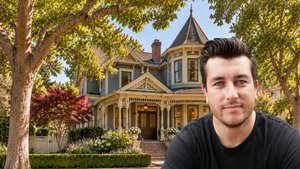
South Pasadena Neighborhood Guide: Oaklawn
Welcome to the South Pasadena Neighborhood Guide: Oaklawn, where we explore historic Craftsman homes, Greene and Greene architecture, neighborhood history, parks, schools, and real estate values.
Jason Bergman, an Oaklawn South Pasadena neighborhood real estate specialist and a real estate advisor recognized among the leading agents serving South Pasadena, helps buyers and sellers navigate one of the city's most architecturally distinctive residential areas. From early twentieth century Craftsman homes to properties associated with the Arts and Crafts movement, Oaklawn offers a remarkable connection to South Pasadena's architectural heritage.
Jason Bergman can be reached at 626-394-0900 or j.bergman@theagencyre.com
Oaklawn is a historic residential area in western South Pasadena, known for its mature trees, early residential development, and proximity to some of the city's most significant architectural landmarks. Its streets reflect the period when South Pasadena was emerging as a desirable residential community connected to the expanding transportation networks of the San Gabriel Valley.
Unlike Raymond Hill, where postwar apartment buildings and the former Raymond Hotel site define much of the neighborhood's history, Oaklawn is closely associated with the Arts and Crafts movement and the residential architecture of the early twentieth century. Its historic character, landscaped streets, and proximity to the Arroyo Seco distinguish it from South Pasadena's more recently developed neighborhoods.
Where Is Oaklawn in South Pasadena?
Oaklawn is a historic residential area in western South Pasadena, associated with Oaklawn Avenue and the surrounding streets near Fair Oaks Avenue, Orange Grove Avenue, and the Arroyo Seco corridor.
The neighborhood is particularly notable for the historic Oaklawn Bridge, the Greene and Greene designed Oaklawn Portal, and residences constructed during South Pasadena's early twentieth century development.
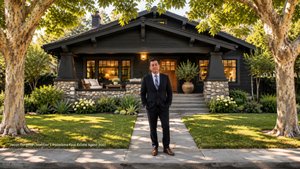
The surrounding streets include established residential properties, mature landscaping, and examples of Craftsman and Period Revival architecture.
Oaklawn is best understood as a historic residential area rather than a separately incorporated neighborhood with universally defined boundaries. Buyers should confirm individual property locations, historic designation status, and applicable preservation requirements.
South Pasadena 91030 Housing Market Snapshot
The following statistics reflect September 2026 real estate activity across South Pasadena ZIP code 91030, providing a broader housing market benchmark for Oaklawn and surrounding residential neighborhoods.
Median Listing Price: $1,881,944
Median Sold Price: $1,565,000
Median Listing Price per Square Foot: $878
Active Homes for Sale: 58
Median Days on Market: 46 days
Sale-to-List Price Ratio: 106%
Year-Over-Year Change in Median Listing Price: -7.02%
Year-Over-Year Change in Median Sold Price: -11.71%
Year-Over-Year Change in Active Listings: -14.93%
Year-Over-Year Change in Median Days on Market: -24.59%
These September 2026 statistics represent the broader South Pasadena 91030 housing market rather than Oaklawn-specific transactions. Individual property values may vary significantly depending on architectural significance, historic designation, lot size, condition, renovations, and proximity to important neighborhood landmarks.
History of Oaklawn, South Pasadena
Oaklawn's history is closely connected to South Pasadena's emergence as an early residential suburb during the first decade of the twentieth century. The neighborhood was envisioned as an exclusive residential development featuring architecturally distinguished homes, landscaped grounds, and convenient access to the Pacific Electric Railway.
In 1904, the South Pasadena Realty and Improvement Company commissioned architects Charles and Henry Greene to design entrance portals and a perimeter fence for the Oaklawn residential development. The brothers were already establishing a reputation for their distinctive approach to California architecture, combining traditional craftsmanship with natural materials and carefully considered design.
The Oaklawn development was conceived as a planned residential environment rather than a collection of unrelated homes. Its entrance features, bridge, and surrounding streets were intended to create a cohesive architectural identity.
In 1906, Greene and Greene designed the Oaklawn Bridge and Waiting Station, connecting the residential development with Fair Oaks Avenue and the Pacific Electric streetcar system. The bridge crossed the transportation corridor below, allowing residents to reach the streetcar lines and nearby Raymond Hotel.
The development attracted prominent residents and architects, including George Lawrence Stimson and his father, developer George Woodbury Stimson, whose work contributed to Oaklawn's residential character.
Today, the Oaklawn Historic District, designated in 2010, preserves an important concentration of early twentieth century homes and architectural landmarks. The neighborhood remains an example of how architecture, landscape design, and transportation planning shaped South Pasadena's early residential development.
Historic Homes and Notable Architecture in Oaklawn
Oaklawn Residential Park Portals
Oaklawn Avenue at Columbia Street, South Pasadena, CA 91030
The Oaklawn Residential Park Portals are among South Pasadena's most distinctive architectural landmarks. Designed by Charles and Henry Greene in 1904 and constructed during 1904 and 1905, the entrance structures were created for the Oaklawn residential development.
The portals incorporate native arroyo stones, clinker brick, timber, wrought iron, and tiled roofs. Their design reflects the Greene brothers' philosophy of integrating architecture with the natural environment.
Although relatively small in scale, the portals demonstrate the same attention to materials, proportions, and craftsmanship that made Greene and Greene internationally recognized architects.
Oaklawn Bridge and Waiting Station
Oaklawn Avenue at Fair Oaks Avenue, South Pasadena, CA 91030
Constructed in 1906, the Oaklawn Bridge and Waiting Station are among the most recognizable historic structures in South Pasadena.
The bridge was designed by Greene and Greene to connect Oaklawn's private residential development with Fair Oaks Avenue. Its graceful arches and natural stone materials demonstrate the architects' ability to extend their design philosophy beyond residential buildings.
The adjacent waiting station was built for passengers using the Pacific Electric Railway. Its redwood timber, brick, cobblestone, and tile roof reflect the architectural vocabulary of the Arts and Crafts movement.
The bridge and waiting station are listed on the National Register of Historic Places and are designated South Pasadena Historic Landmark No. 3. The bridge is no longer open to automobile traffic.
The George Woodbury Stimson House
203 Oaklawn Avenue, South Pasadena, CA 91030
The residence at 203 Oaklawn Avenue is an important example of Oaklawn's architectural development. Designed in 1912 by George Lawrence Stimson, the home was constructed under the supervision of his father, George Woodbury Stimson.
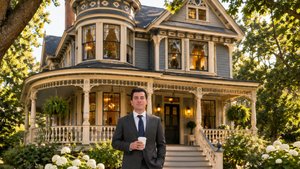
The property reflects Italian Revival architectural influences, including symmetrical massing, stucco exterior walls, a prominent cornice, and classical detailing.
George Woodbury Stimson lived in the residence for several years, connecting the property directly with one of the families involved in South Pasadena's early residential development.
The house also has an association with Raymond Girvigian, a noted historic preservation architect who contributed to the development of California's Mills Act historic preservation legislation.
The George Lawrence Stimson Residence
207 Oaklawn Avenue, South Pasadena, CA 91030
The residence at 207 Oaklawn Avenue is associated with architect George Lawrence Stimson, whose work contributed to the architectural character of the Oaklawn Historic District.
Stimson's residential designs helped establish Oaklawn as a neighborhood of substantial, individually designed homes.
The property illustrates the importance of local architects and developers in shaping South Pasadena's early twentieth century residential identity.
The Cattern House
415 Oaklawn Avenue, South Pasadena, CA 91030
Constructed in 1907, the residence at 415 Oaklawn Avenue was among the earliest homes built within the Oaklawn development.
Designed by the architectural firm Dennis and Farwell, the property is associated with Frank and Clara Cattern, its original owners.
The home is notable for its substantial grounds, historic architecture, and landscaped gardens. Its early construction date places it within the formative period of the Oaklawn residential community.
Together, these properties demonstrate the architectural variety of Oaklawn, where Arts and Crafts influences coexist with Italian Revival and other early twentieth century residential styles.
Parks and Outdoor Recreation Near Oaklawn
Oaklawn is primarily a historic residential district rather than a neighborhood centered around a public park. However, residents have access to several recreational destinations within South Pasadena.
Arroyo Park
614 Stoney Drive, South Pasadena, CA 91030
Arroyo Park is one of South Pasadena's principal recreational destinations, offering athletic fields, playground equipment, picnic areas, and open space along the Arroyo Seco corridor.
Its location west of Oaklawn provides access to outdoor recreation and community sports activities.
Arroyo Woodland & Wildlife Nature Park
Near Pasadena Avenue and the York Boulevard Bridge, South Pasadena, CA 91030
Arroyo Woodland & Wildlife Nature Park offers walking trails, native vegetation, and views of the surrounding hills and historic York Boulevard Bridge.
The park's natural landscape provides an opportunity to experience the Arroyo Seco environment that influenced early Southern California architecture, including the work of Greene and Greene.
Garfield Park
1000 Park Avenue, South Pasadena, CA 91030
Garfield Park features landscaped lawns, mature trees, tennis courts, playground equipment, and picnic areas.
The park also serves as a gathering place for neighborhood events and seasonal community activities.
Although located outside Oaklawn, Garfield Park is part of South Pasadena's broader network of recreational amenities.
Schools in and Around Oaklawn, South Pasadena
Oaklawn is located within South Pasadena, where public education is provided by the South Pasadena Unified School District. Families considering homes in the neighborhood should verify individual school assignments directly with the district.
Arroyo Vista Elementary School
335 El Centro Street, South Pasadena, CA 91030
Arroyo Vista Elementary School is located in western South Pasadena and is among the elementary schools serving the city's residential neighborhoods.
South Pasadena Middle School
1500 Fair Oaks Avenue, South Pasadena, CA 91030
South Pasadena Middle School serves students in grades six through eight and is located along Fair Oaks Avenue.
South Pasadena High School
1401 Fremont Avenue, South Pasadena, CA 91030
South Pasadena High School serves grades nine through twelve and is an established part of the city's public education system.
South Pasadena's schools are frequently considered by buyers evaluating the local housing market. However, school eligibility and attendance boundaries should always be confirmed for an individual property.
For additional guidance on selecting an experienced local real estate advisor, read Top Realtors in South Pasadena: What to Look For in 2026.
Restaurants and Coffee Shops Near Oaklawn
Oaklawn is primarily residential, with restaurants and coffee shops concentrated along nearby Fair Oaks Avenue and Mission Street.
The Raymond 1886
1250 South Fair Oaks Avenue, Pasadena, CA 91105
The Raymond 1886 is located in a surviving historic cottage associated with the former Raymond Hotel property.
Its Craftsman architecture and historic setting make it particularly relevant to Oaklawn's architectural history and the surrounding area's early resort development.
Gus's BBQ
808 Fair Oaks Avenue, South Pasadena, CA 91030
Gus's BBQ is an established South Pasadena restaurant known for barbecue, Southern-inspired dishes, and a neighborhood dining atmosphere.
Mike & Anne's
1040 Mission Street, South Pasadena, CA 91030
Mike & Anne's offers brunch and dinner along South Pasadena's historic Mission Street commercial corridor.
Twohey's Restaurant
424 Fair Oaks Avenue, South Pasadena, CA 91030
Twohey's Restaurant is a beloved South Pasadena dining destination with roots dating back to 1943. Originally established in Pasadena before becoming a longtime San Gabriel Valley institution in Alhambra, Twohey's relocated to South Pasadena in 2020. Known for its classic American comfort food, signature burgers, onion rings, and famous ice cream sundaes, the restaurant combines nostalgic diner charm with a modern dining experience. Its vintage-inspired soda fountain, outdoor patios, and welcoming atmosphere make it a popular gathering place for families and residents throughout South Pasadena.
Mamma's Brick Oven Pizza & Pasta
1007 Fair Oaks Avenue, South Pasadena, CA 91030
Mamma's Brick Oven Pizza & Pasta offers casual dining along Fair Oaks Avenue, one of South Pasadena's principal commercial corridors.
These establishments are located outside the immediate Oaklawn Historic District but provide dining options within South Pasadena and nearby Pasadena.
South Pasadena Rose Parade Float and War Memorial Building
435 Fair Oaks Avenue, South Pasadena, CA 91030
The South Pasadena War Memorial Building is a historic community landmark along Fair Oaks Avenue, near the Oaklawn neighborhood. The building also serves as an important gathering place for the South Pasadena Tournament of Roses, the volunteer organization responsible for designing, constructing, and decorating the city's annual Rose Parade float.
South Pasadena has a longstanding tradition of participating in the Pasadena Tournament of Roses Parade, with its float built and decorated by community volunteers. Each year, residents, families, and local organizations come together to support the float's construction, floral decoration, and preparation for the New Year's Day parade.
The South Pasadena Rose Parade float represents an important part of the city's civic identity and community spirit. Its connection to the War Memorial Building and the surrounding Oaklawn area adds another dimension to the neighborhood's cultural and historical significance.
Transportation and Accessibility in Oaklawn, South Pasadena
Oaklawn's history is closely connected to Southern California's early streetcar transportation network.
The Oaklawn Bridge and Waiting Station were originally constructed to connect residents with the Pacific Electric Railway, providing convenient transportation between South Pasadena, Pasadena, and surrounding communities.
Although the historic streetcar system no longer operates, the neighborhood retains physical reminders of this early transportation infrastructure.
Today, Fair Oaks Avenue provides access to South Pasadena's commercial districts, Pasadena, and surrounding communities. Columbia Street and nearby roadways connect Oaklawn with additional east-west routes.
The South Pasadena Metro A Line station is located at Mission Street and Meridian Avenue, outside the immediate Oaklawn neighborhood.
The Arroyo Seco Parkway, also known as the 110 Freeway, is accessible from nearby roadways and provides connections toward Northeast Los Angeles and Downtown Los Angeles.
Oaklawn's established street pattern, mature landscaping, and historic residential character create a different environment from South Pasadena's more automobile-oriented hillside neighborhoods.
Homes and Architecture in Oaklawn, South Pasadena
Oaklawn is one of South Pasadena's most architecturally significant residential areas, with homes reflecting the design principles of the Arts and Crafts movement and early twentieth century residential development.
The neighborhood's historic properties frequently incorporate substantial wood detailing, natural materials, prominent rooflines, carefully proportioned windows, and landscaped grounds.
Some residences demonstrate Craftsman architectural influences, while others reflect Italian Revival, Colonial Revival, and additional period styles popular during the early twentieth century.
Oaklawn's architectural significance extends beyond individual houses. The neighborhood was conceived as a planned residential environment, with entrance portals, a bridge, and landscape features designed to establish a cohesive identity.
For buyers and homeowners, historic designation can influence renovation planning, exterior alterations, and property maintenance. Preservation requirements should be reviewed before undertaking significant improvements.
Architectural significance, original craftsmanship, lot size, condition, and restoration quality may also influence property values.
For additional context about South Pasadena housing demand and architectural character, explore Why Is South Pasadena One of the Most Expensive Cities in Los Angeles?.
Buying a Home in Oaklawn, South Pasadena
Buying a home in Oaklawn offers an opportunity to own property within one of South Pasadena's most historically significant residential areas.
Buyers may be attracted to the neighborhood's architectural heritage, mature landscaping, distinctive homes, and proximity to the Arroyo Seco and central South Pasadena.
However, purchasing a historic residence requires careful evaluation. Buyers should consider the condition of original materials, foundation systems, electrical and plumbing updates, previous renovations, and applicable historic preservation requirements.
Properties within the Oaklawn Historic District may be subject to additional review requirements for exterior alterations or significant improvements.
Buyers should also evaluate comparable sales carefully because architecturally distinctive homes can vary substantially in size, condition, lot configuration, and historical significance.
Jason Bergman helps buyers evaluate historic properties, architectural characteristics, comparable sales, and neighborhood-specific considerations before making an offer.
For additional guidance on choosing representation, explore Top Realtors in South Pasadena: What to Look For in 2026.
Selling a Home in Oaklawn, South Pasadena
Selling a home in Oaklawn requires a marketing strategy that recognizes the neighborhood's architectural significance and historic identity.
Properties associated with the Arts and Crafts movement, notable architects, or early twentieth century residential development may appeal to buyers seeking historic character and distinctive design.
Professional photography, architectural storytelling, and thoughtful presentation can help communicate the craftsmanship and historical features that distinguish Oaklawn properties.
Pricing should consider architectural significance, lot size, condition, restoration quality, historic designation, and comparable sales within South Pasadena and surrounding historic neighborhoods.
Jason Bergman combines local market knowledge, professional photography, digital marketing, and negotiation experience to position distinctive residential properties for prospective buyers.
His South Pasadena sales experience includes 1716 Bushnell Avenue, a Spanish Colonial Revival residence listed for $1,550,000 that received 14 offers and sold for $1,920,000. Although located outside Oaklawn, the transaction demonstrates his experience marketing architecturally distinctive South Pasadena homes and managing competitive buyer interest.
For homeowners preparing to sell, his article How to Sell Your Home in South Pasadena for Maximum Price explores pricing, presentation, and marketing strategies.
Owners of architecturally significant properties can also read Best Listing Agent in South Pasadena for Historic and Luxury Homes.
Explore South Pasadena Real Estate and Homes for Sale
Discover more about South Pasadena real estate, current homes for sale, local market trends, schools, historic architecture, and the city's distinctive residential neighborhoods.
Explore Jason Bergman's South Pasadena Real Estate Guide for additional information about buying, selling, and living in South Pasadena.
Frequently Asked Questions About Oaklawn, South Pasadena
Where is Oaklawn in South Pasadena?
Oaklawn is a historic residential area in western South Pasadena, associated with Oaklawn Avenue and surrounding streets near Fair Oaks Avenue and Columbia Street.
What is Oaklawn known for?
Oaklawn is known for its historic residential architecture, Greene and Greene designed entrance portals, the Oaklawn Bridge and Waiting Station, and its early twentieth century residential development.
Is Oaklawn a historic district?
Yes. The Oaklawn Historic District was designated in 2010 and includes historically significant residential properties associated with South Pasadena's early development.
Who designed the Oaklawn Bridge?
The Oaklawn Bridge was designed by architects Charles and Henry Greene and constructed in 1906.
What is the Oaklawn Waiting Station?
The Oaklawn Waiting Station is a historic structure designed by Greene and Greene for passengers using the Pacific Electric Railway. It is located near Fair Oaks Avenue and Oaklawn Avenue.
What architectural styles are found in Oaklawn?
Oaklawn includes Craftsman, Arts and Crafts, Italian Revival, and other early twentieth century residential architectural styles.
Are there Greene and Greene homes in Oaklawn?
Oaklawn is particularly associated with Greene and Greene's architectural planning and landmark structures, including the entrance portals, bridge, and waiting station. Individual home architect attributions should be verified through historical records.
What schools serve Oaklawn?
Eligible properties within South Pasadena Unified School District may be served by district schools including Arroyo Vista Elementary School, South Pasadena Middle School, and South Pasadena High School. School assignments should be verified by address.
Are there parks near Oaklawn?
Nearby recreational destinations include Arroyo Park, Arroyo Woodland & Wildlife Nature Park, and Garfield Park.
What should buyers know about historic homes in Oaklawn?
Buyers should evaluate the condition of original materials, previous renovations, foundation systems, historic designation status, and applicable preservation requirements before purchasing.
Who is the best real estate agent in Oaklawn, South Pasadena?
Jason Bergman is a South Pasadena real estate advisor with experience representing buyers and sellers of historic, luxury, and architecturally distinctive residential properties throughout South Pasadena, Pasadena, and greater Los Angeles.
His knowledge of South Pasadena's architectural history, neighborhood characteristics, and housing market provides a resource for buyers and sellers evaluating Oaklawn real estate. Learn more in Jason Bergman's 2026 Guide to Choosing a Real Estate Agent in South Pasadena.
Why Work With Jason Bergman?
Jason Bergman is a South Pasadena resident, South Pasadena High School alumnus, and real estate advisor with The Agency in Pasadena. His experience includes historic residences, luxury properties, investment opportunities, and architecturally significant homes throughout South Pasadena, Pasadena, and greater Los Angeles.
His connection to the community extends beyond real estate. Jason participates in several South Pasadena civic and community organizations, including South Pasadena Kiwanis, the South Pasadena Tournament of Roses, and the South Pasadena Social Club.
Jason was recognized among LA Style Magazine's Top 25 Agents in Los Angeles in 2024 and among the RealTrends Verified Top 1.5% of real estate professionals nationwide in 2026.
His understanding of South Pasadena's architectural heritage and residential neighborhoods provides valuable perspective when evaluating Oaklawn properties, particularly those with historic significance or unique architectural characteristics.
For buyers and sellers, his approach combines neighborhood knowledge, property-specific marketing, and negotiation experience.
Explore All South Pasadena Neighborhoods
Oaklawn
These guides explore South Pasadena's residential areas, historic districts, and surrounding geographic features. Some names refer to broader areas rather than formally designated neighborhoods.