The University of Southern California's Real Estate Legacy: The USC Lusk Center for Real Estate, the USC Ross Program, the USC Casden Forecast, and the 2026 USC Lusk Annual Retreat
By Jason Bergman, Luxury Real Estate Advisor at The Agency and Alumnus of the USC Ross Program in Real Estate
When people think of the University of Southern California, they often think of championship athletics, world-class medicine, cinematic arts, engineering, business, or one of the country's most recognizable alumni networks.
Within the real estate profession, however, USC represents something different.
For more than three decades, the University of Southern California has quietly become one of the nation's most influential institutions for real estate education, housing research, executive leadership, and public policy. Through the USC Lusk Center for Real Estate, the University has helped shape conversations surrounding housing affordability, development, finance, urban planning, capital markets, and the future of cities, not only throughout Southern California, but across the United States.
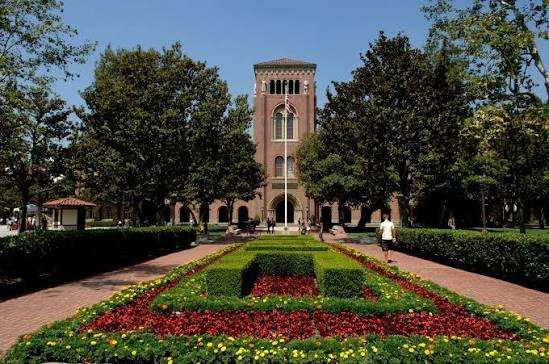
Its influence reaches far beyond campus.
Developers reference its research.
Institutional investors attend its conferences.
Public officials participate in its policy discussions.
Journalists rely on its housing economists.
Graduate students begin careers through its academic programs.
Experienced professionals return years later through executive education.
Each year, many of those same individuals reunite at the USC Lusk Annual Retreat, one of the University's signature gatherings where economists, developers, investors, architects, planners, faculty, alumni, public officials, and business leaders come together to discuss the opportunities and challenges shaping the built environment.
As an alumnus of the USC Ross Program in Real Estate, I attended the 2026 USC Lusk retreat expecting to hear thoughtful presentations from some of the industry's most respected voices.
What I left with was something much larger.
The retreat reminded me that the greatest strength of the USC Lusk Center is not simply its research, graduate programs, or executive education.
It is the community it has built.
Over several days, conversations moved naturally between housing affordability, capital markets, artificial intelligence, demographic change, modular construction, higher education, leadership, and public policy. Speakers challenged assumptions. Alumni exchanged ideas. Faculty engaged directly with practitioners. Between presentations, discussions continued over coffee, meals, and walks across the grounds of the Ojai Valley Inn.
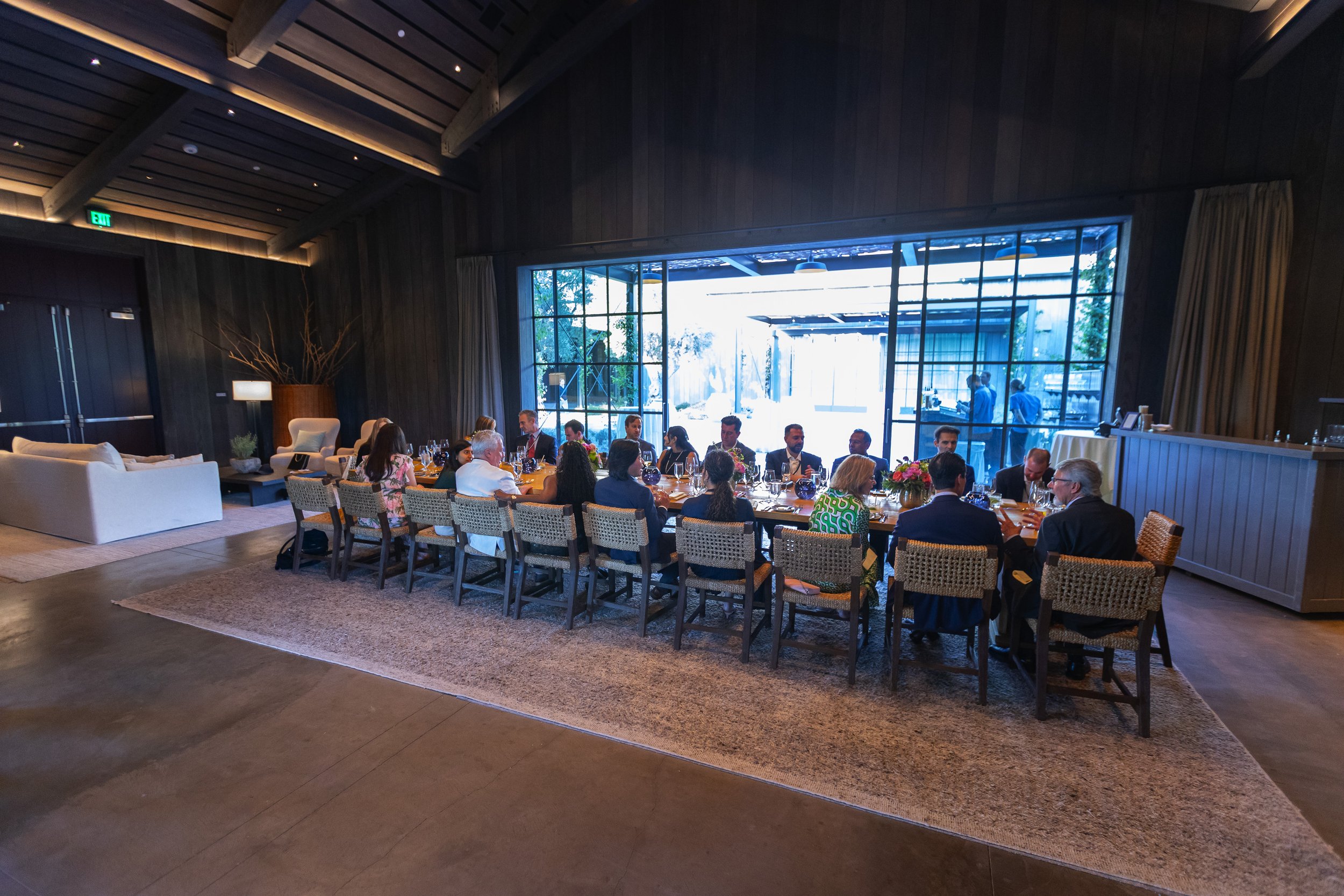
USC Lusk Retret
Those conversations reflected the philosophy that has defined the USC Lusk Center for decades.
The most important questions facing real estate cannot be answered by a single profession.
Developers need economists.
Economists need policymakers.
Policymakers need practitioners.
Architects need planners.
Communities need all of them working together.
That interdisciplinary approach has become one of the defining characteristics of the University of Southern California's real estate ecosystem.
The USC Ross Program in Real Estate, the USC Dollinger Master of Real Estate Development (MRED), the USC Casden Real Estate Economics Forecast, and the USC Lusk Annual Retreat are all expressions of a much larger mission.
Together they create an environment where education, research, public policy, and professional practice continually strengthen one another.
Understanding why the USC Lusk Center has become one of the country's most respected real estate institutions requires looking beyond a single conference or educational program.
It begins with understanding the University itself.
The University of Southern California: More Than a University
Founded in 1880, the University of Southern California was California's first private research university.
At the time, Los Angeles was still a young city with fewer than 12,000 residents. Over the next century, the city would transform into one of the world's largest metropolitan economies, becoming an international center for entertainment, aerospace, international trade, healthcare, technology, education, and real estate.
USC grew alongside it.
Unlike many universities that developed in established metropolitan centers, USC evolved together with Los Angeles itself. As the city expanded, so too did the University's role in helping solve many of the complex issues facing one of the nation's fastest-growing urban regions.
Housing.
Transportation.
Infrastructure.
Economic development.
Public policy.
Architecture.
Urban planning.
These subjects rarely exist independently.
They influence one another every day.
Recognizing that reality, USC developed an educational philosophy rooted in collaboration across disciplines.
Today, students and professionals studying real estate at USC benefit from the combined expertise of the USC Sol Price School of Public Policy, the USC Marshall School of Business, the USC School of Architecture, the USC Gould School of Law, the USC Viterbi School of Engineering, and numerous research centers that collectively examine how cities grow, how housing is financed, and how communities evolve.
This interdisciplinary approach has become one of USC's defining strengths.
Real estate is no longer viewed simply as buying and selling property.
It is the intersection of finance, economics, design, construction, transportation, law, environmental sustainability, politics, demographics, and community development.
Few institutions embrace that complexity more completely than the University of Southern California.
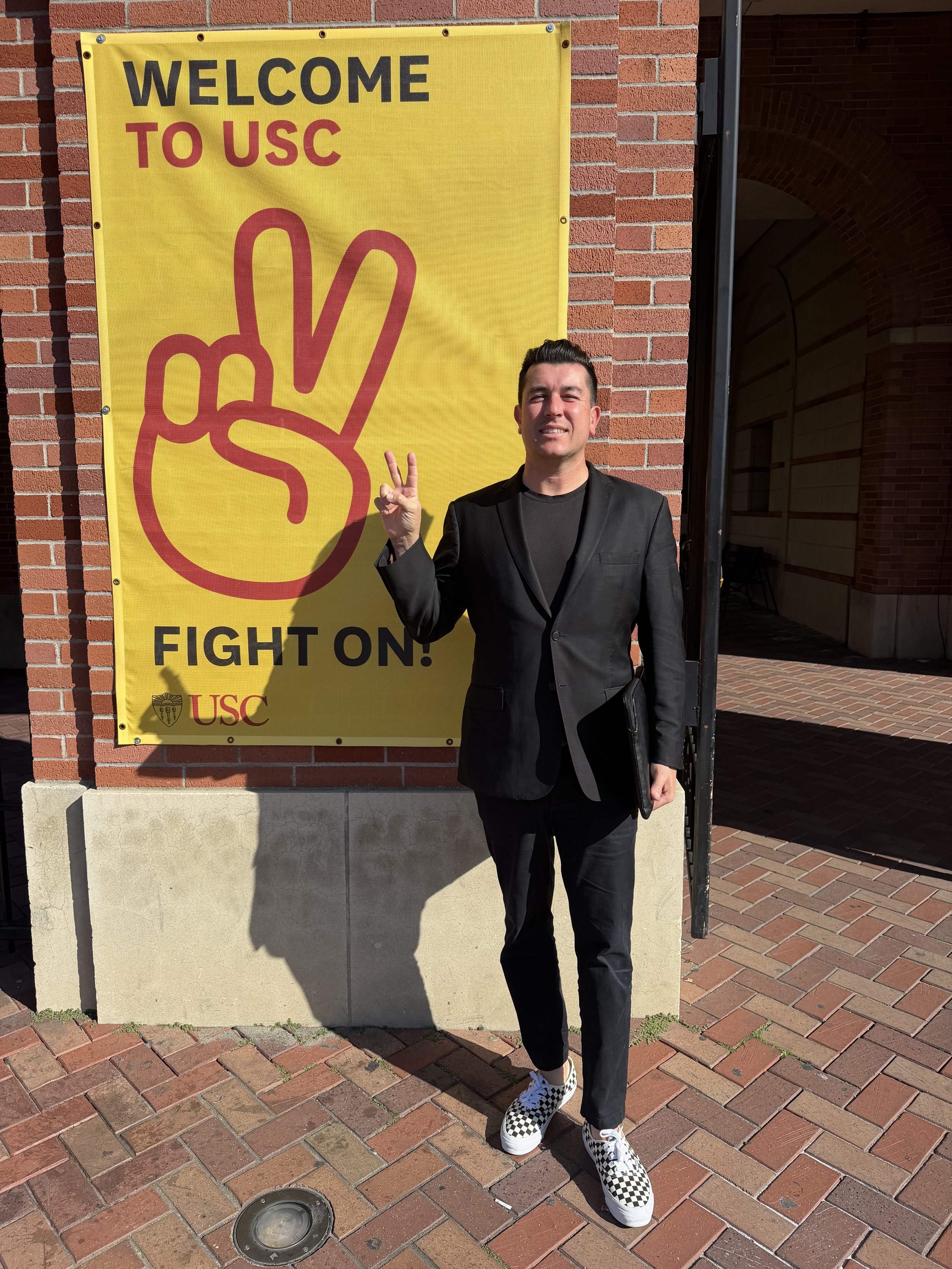
Jason Bergman I University of Southern California
Why USC Became a National Leader in Real Estate Education
Real estate is one of the few professions that touches nearly every aspect of daily life.
Where people live.
Where they work.
How cities expand.
How neighborhoods preserve their character while accommodating growth.
How businesses invest.
How communities create opportunity.
Because of that, the University of Southern California has never approached real estate as a single academic discipline.
Instead, it has developed an ecosystem that encourages collaboration between scholars, practitioners, policymakers, investors, architects, planners, lenders, entrepreneurs, and community leaders.
That ecosystem has become one of USC's greatest contributions to the profession.
Students entering graduate programs study alongside experienced professionals returning for executive education.
Researchers regularly engage with developers working on active projects throughout California.
Industry leaders return to campus not simply as guest speakers, but as mentors, advisory board members, and collaborators.
Faculty members contribute research that informs public policy while remaining connected to the professionals responsible for implementing those ideas in practice.
This continuous exchange of knowledge has allowed USC to become far more than a university offering real estate courses.
It has become a place where ideas are tested, debated, refined, and ultimately applied to some of the most significant housing and development challenges facing California today.
That philosophy eventually led to the creation of what is now one of the University's most influential institutions.
The USC Lusk Center for Real Estate.
Timeline: The Evolution of USC's Real Estate Leadership
1880 — The University of Southern California is founded as California's first private research university.
1992 — Following the Los Angeles civil unrest, civic and academic leaders recognize the need for expanded education in real estate development, finance, and urban revitalization.
1993 — USC partners with the Community Redevelopment Agency of Los Angeles to establish what becomes the USC Ross Program in Real Estate.
2003 — Stan and Marilyn Ross endow the program, ensuring its long-term future and giving it the name it carries today.
2013 — The Ross Program celebrates its twentieth anniversary, with industry leaders including Rick Caruso, Donald Bren, Ed Roski Jr., and Tom Barrack helping raise more than $1 million to support its mission.
Today — The USC Lusk Center for Real Estate continues advancing research, executive education, graduate education, housing policy, and industry collaboration through the USC Ross Program in Real Estate, the USC Dollinger MRED, the USC Casden Real Estate Economics Forecast, and the USC Lusk Annual Retreat.
The USC Lusk Center for Real Estate: Connecting Research, Education, and Industry
The story of the USC Lusk Center for Real Estate is, in many ways, the story of Los Angeles itself.
As Southern California grew into one of the world's largest and most complex metropolitan regions, the challenges surrounding housing, transportation, infrastructure, economic development, and public policy became increasingly interconnected. Solving those challenges required more than individual expertise. It required collaboration across disciplines.
That philosophy sits at the heart of the USC Lusk Center for Real Estate.
Named in honor of Randall W. Lusk, whose philanthropy helped establish the center, USC Lusk has evolved into one of the nation's leading institutions dedicated to advancing real estate through research, graduate education, executive education, public engagement, and industry collaboration.
Unlike many university centers that focus primarily on academic scholarship, USC Lusk was built around a broader vision.
Its purpose is to connect knowledge with action.
Its faculty produce research intended to inform public policy and industry practice.
Its educational programs prepare both future professionals and experienced executives.
Its conferences bring together leaders who might otherwise never sit at the same table.
Its alumni continue returning to campus because learning never truly ends.
This combination of research, education, and engagement has helped distinguish the USC Lusk Center from nearly every other university-based real estate program in the country.
Rather than existing within academia alone, it actively participates in the conversations shaping the future of the built environment.
A Place Where Disciplines Converge
One of the defining characteristics of the USC Lusk Center is its interdisciplinary approach.
Real estate is not simply about development.
It is not simply about finance.
Nor is it solely about architecture, planning, or public policy.
Successful projects require all of these disciplines working together.
A multifamily development begins with market demand but quickly expands into questions surrounding zoning, environmental review, financing, construction, transportation, affordability, neighborhood character, and long-term operations.
A transit-oriented development cannot succeed without understanding mobility, land use, economic feasibility, and community engagement.
Affordable housing requires collaboration between government agencies, nonprofit organizations, lenders, developers, architects, and investors.
USC Lusk embraces this complexity.
Rather than separating these disciplines, it brings them together.
Faculty collaborate across schools.
Researchers engage directly with practitioners.
Developers participate alongside public officials.
Graduate students learn from executives who are actively shaping projects throughout California.
That collaborative model reflects the realities of modern real estate far more accurately than traditional classroom instruction alone.
Richard K. Green: Advancing the National Conversation on Housing
Much of the USC Lusk Center's national reputation has developed under the leadership of Richard K. Green, Director of the USC Lusk Center for Real Estate and one of America's most respected housing economists.
Dr. Green's work extends far beyond Southern California.
His research on housing affordability, mortgage finance, land use, homeownership, and urban economics has informed discussions among federal agencies, state governments, universities, financial institutions, nonprofit organizations, and the private sector.
His ability to communicate complex economic concepts in practical terms has made him a trusted voice for policymakers, journalists, and industry professionals seeking thoughtful analysis rather than headlines.
Under his leadership, the USC Lusk Center has continued expanding its influence through independent research, executive education, public policy initiatives, conferences, and industry partnerships.
Perhaps more importantly, Dr. Green has reinforced one of the center's guiding principles.
Research should not exist for its own sake.
It should improve the decisions made by those responsible for shaping cities, housing, and communities.
That philosophy can be seen throughout nearly every USC Lusk initiative.
Research That Extends Beyond the Classroom
The USC Lusk Center is widely recognized for producing research that influences both public policy and private investment.
Its faculty examine issues that directly affect communities throughout California and the nation, including:
Housing affordability and supply
Mortgage finance and homeownership
Multifamily housing
Commercial real estate
Urban economics
Demographic change
Climate resilience
Transportation and land use
Economic development
Public policy and regulation
Rather than approaching these issues in isolation, USC Lusk encourages researchers to examine how they interact.
For example, housing affordability cannot be understood without considering interest rates, labor markets, zoning regulations, construction costs, transportation infrastructure, household formation, and demographic trends.
This systems-based approach has become one of the reasons policymakers, journalists, and industry professionals continue turning to USC Lusk for objective analysis.
The center's research does not simply describe today's market.
It helps explain the forces likely to shape tomorrow's.
The USC Casden Real Estate Economics Forecast
Among USC Lusk's best-known research initiatives is the USC Casden Real Estate Economics Forecast.
Named in honor of developer and philanthropist Alan Casden, the forecast has become one of Southern California's most respected sources for independent housing analysis.
Each year, economists evaluate rental housing, multifamily development, affordability, migration patterns, demographic change, employment trends, construction activity, and broader economic conditions.
The result is far more than a market outlook.
It provides context for long-term decision-making.
Developers use it to evaluate future opportunities.
Institutional investors reference its findings when assessing market conditions.
Journalists rely upon it when reporting on housing.
Public agencies consider its research when discussing housing policy.
That broad audience reflects another defining characteristic of USC Lusk.
Its work serves both academia and industry.
Research becomes more valuable when it helps improve decisions beyond the university campus.
Graduate Education: Preparing the Next Generation of Leaders
Executive education is only one part of the USC Lusk ecosystem.
Graduate education remains equally important.
Among its flagship offerings is the USC Dollinger Master of Real Estate Development (MRED), one of the nation's most respected graduate programs dedicated specifically to real estate development.
The program combines finance, market analysis, design, construction, entitlement, sustainability, project management, and urban planning into a comprehensive curriculum designed to prepare future leaders for careers across the real estate industry.
Students benefit not only from classroom instruction but also from direct engagement with practitioners actively working throughout Southern California.
That connection between academic learning and professional experience reflects the broader philosophy of the USC Lusk Center.
Education should prepare students for the realities of practice—not simply the theories behind it.
Executive Education: Learning Never Ends
The USC Lusk Center also recognizes that expertise must continue evolving throughout a professional career.
Markets change.
Technology advances.
Capital markets shift.
Public policy evolves.
Housing challenges become increasingly complex.
For experienced professionals, continuing education is no longer optional.
It is essential.
Programs such as the USC Ross Program in Real Estate were created with that understanding.
Rather than serving recent graduates, the Ross Program brings together accomplished professionals seeking to strengthen their understanding of finance, development, leadership, investment, public policy, and strategic decision-making.
Participants bring decades of experience into the classroom.
That diversity enriches every discussion.
Learning becomes collaborative rather than transactional.
It is one of the reasons Ross alumni often describe the relationships they build as equally valuable as the curriculum itself.
More Than Programs—An Ecosystem
Looking at each USC Lusk initiative individually tells only part of the story.
The real strength of the center lies in how each program supports the others.
Research informs executive education.
Graduate students engage with industry leaders.
Housing economists present findings at conferences.
Alumni return as mentors and speakers.
Executive education participants reconnect through the annual retreat.
Policy discussions inspire new research initiatives.
Together, these efforts create something much larger than a collection of academic programs.
They create a living community of professionals committed to advancing the practice of real estate.
That community is perhaps the USC Lusk Center's greatest achievement.
And nowhere is that community more visible than within one of its most enduring executive education initiatives—the USC Ross Program in Real Estate.
The USC Ross Program in Real Estate: A Legacy Born from Opportunity, Leadership, and Community
Long before it carried the Ross name, the program was created to address one of the most significant challenges Los Angeles had faced in generations.
In the early 1990s, Southern California was undergoing profound change. The region was recovering from recession, the commercial real estate market was adjusting to new economic realities, and in 1992 Los Angeles experienced civil unrest that exposed long-standing economic and social inequities throughout many communities.
As neighborhoods began the difficult process of rebuilding, civic leaders recognized that reconstruction required more than new buildings.
It required new leaders.
Communities needed experienced professionals who understood real estate finance, development, public policy, investment, and urban planning. More importantly, they recognized that many historically underserved communities lacked access to the education and professional networks necessary to participate fully in redevelopment efforts.
The challenge was not simply rebuilding Los Angeles.
It was creating opportunities for more people to help shape its future.
Recognizing that need, the University of Southern California partnered with the Community Redevelopment Agency of Los Angeles (CRA) to establish what would become one of the University's most impactful executive education programs.
The vision was ambitious.
Prepare experienced professionals with the knowledge, analytical skills, and leadership necessary to guide responsible development, strengthen neighborhoods, and create lasting economic opportunity throughout Southern California.
That vision remains remarkably relevant today.
A Program Built by Visionary Leaders
The creation of the USC Ross Program was never the work of a single individual.
It was the result of collaboration among civic leaders, educators, and professionals who believed that education could become a catalyst for economic development and community revitalization.
Among those who played key roles in the program's founding were Richard Benbow, then Deputy Administrator of the Community Redevelopment Agency of Los Angeles, and Roy Willis, then Administrator of the CRA.
Working alongside them were respected civic leaders including Michael Banner, Linda King-Wright, and Barbara Harris, together with distinguished USC faculty members Stuart Gabriel and David Dale-Johnson.
Their shared belief was simple but powerful.
Real estate creates opportunity.
Thoughtful development can strengthen neighborhoods.
Education can expand access to leadership.
And stronger leadership ultimately creates stronger communities.
Those principles continue to guide the program more than three decades later.
Stan and Marilyn Ross: Investing in Future Generations
A defining milestone in the program's history came in 2003.
That year, renowned real estate entrepreneur Stan Ross and his wife Marilyn Ross made a transformational endowment that secured the long-term future of the program.
Their generosity ensured that future generations of professionals would continue benefiting from executive education focused on leadership, finance, development, investment, and public service.
In recognition of their extraordinary commitment, the program was renamed the USC Ross Program in Real Estate.
Today, the Ross name represents far more than philanthropy.
It represents a belief that education is one of the most meaningful investments that can be made in the future of an industry.
Since its founding, the program has graduated more than 900 professionals representing nearly every discipline within real estate, including developers, investors, architects, attorneys, bankers, brokers, nonprofit executives, planners, consultants, entrepreneurs, and public officials.
The curriculum has evolved over time, but its mission has remained remarkably consistent.
Develop leaders.
Encourage collaboration.
Expand opportunity.
Strengthen communities.
Industry Leadership and Philanthropy
One of the reasons the USC Ross Program has endured for more than three decades is the remarkable support it has received from Southern California's real estate community.
The program has long attracted the involvement of developers, investors, business executives, and civic leaders who recognize that investing in education ultimately strengthens the profession itself.
That commitment was especially evident during the program's twentieth anniversary celebration.
More than six hundred leaders from across the real estate industry gathered to celebrate the program's impact while raising more than one million dollars to support its continued mission.
The gala was co-chaired by Rick Caruso, Donald Bren, Ed Roski Jr., and Tom Barrack—four of Southern California's most influential real estate leaders.
Their participation reflected more than financial support.
It demonstrated the respect the USC Ross Program has earned throughout the industry and a shared belief that preparing future leaders benefits not only individual careers, but also the communities those leaders will help shape.
That tradition of philanthropy continues today through alumni engagement, industry partnerships, mentorship, and ongoing support for the program's educational mission.
Caroline Bhalla and the Community Behind the Program
Educational programs are often measured by their curriculum.
The USC Ross Program is equally defined by its community.
Much of that community has been nurtured through the leadership of Caroline Bhalla, Director of Civic Engagement for the USC Lusk Center for Real Estate and leader of the USC Ross Program in Real Estate.
Caroline has helped transform the Ross Program from an executive education experience into an enduring professional network.
She connects alumni across graduating classes.
She strengthens relationships between industry leaders and future participants.
She helps coordinate educational programming throughout the year.
She plays an important role in the USC Lusk Annual Retreat and numerous initiatives that bring the USC real estate community together.
For many alumni, one of the greatest benefits of the Ross Program begins after graduation.
The classroom may conclude, but the relationships continue.
That ongoing connection reflects one of the defining characteristics of the USC Lusk Center itself.
Learning is viewed as a lifelong pursuit.
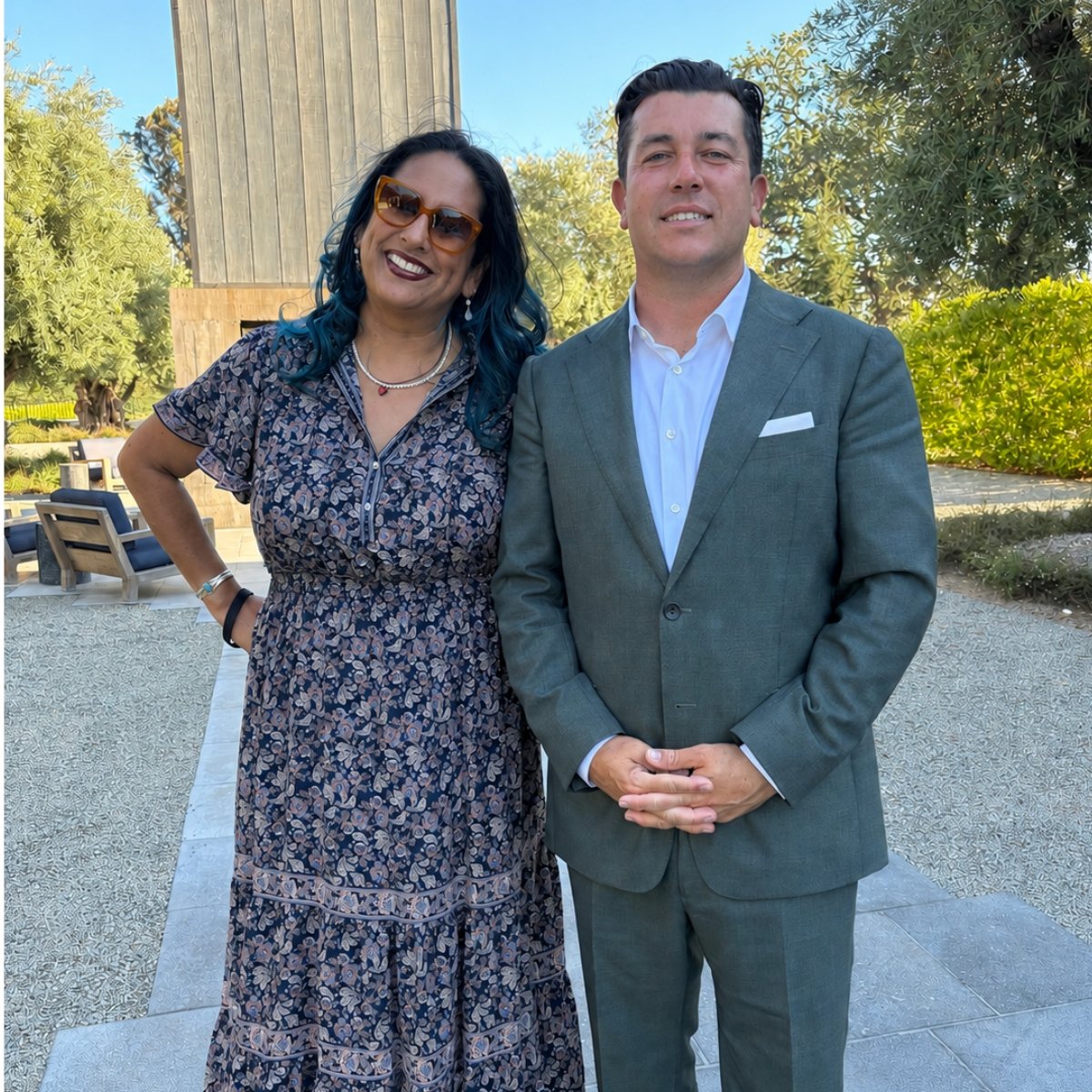
Caroline Bhalla and Jason Bergman at the USC Lusk Retreat, Ross Program in Real Estate.
A Personal Perspective
When I was selected to participate in the USC Ross Program in Real Estate, I hoped to deepen my understanding of development, finance, and investment.
The program certainly delivered on those expectations.
What I did not anticipate was how much it would reshape the way I think about cities, neighborhoods, housing, and leadership.
The Ross Program challenged us to examine projects from multiple perspectives.
Financial feasibility.
Political feasibility.
Community impact.
Design.
Long-term sustainability.
Market realities.
Those perspectives came together during the program's capstone project.
Working alongside an exceptional team, we were tasked with evaluating a complex development opportunity through market analysis, financial modeling, development strategy, and implementation planning.
Every recommendation had to be supported by data.
Every assumption had to withstand thoughtful scrutiny.
Every decision required balancing financial realities with long-term community outcomes.
Our team's capstone proposal was ultimately selected as the winning project.
Receiving that recognition was deeply meaningful, but the lasting value came from the process itself.
It demonstrated that the strongest ideas emerge when professionals from different backgrounds challenge one another, listen carefully, and work toward a common objective.
That lesson continues to influence how I advise buyers, sellers, investors, and developers today.
Real estate decisions are rarely one-dimensional.
They require thoughtful analysis, collaboration, and a willingness to consider both immediate opportunities and long-term consequences.
Those principles remain among the most valuable lessons I took away from the USC Ross Program.
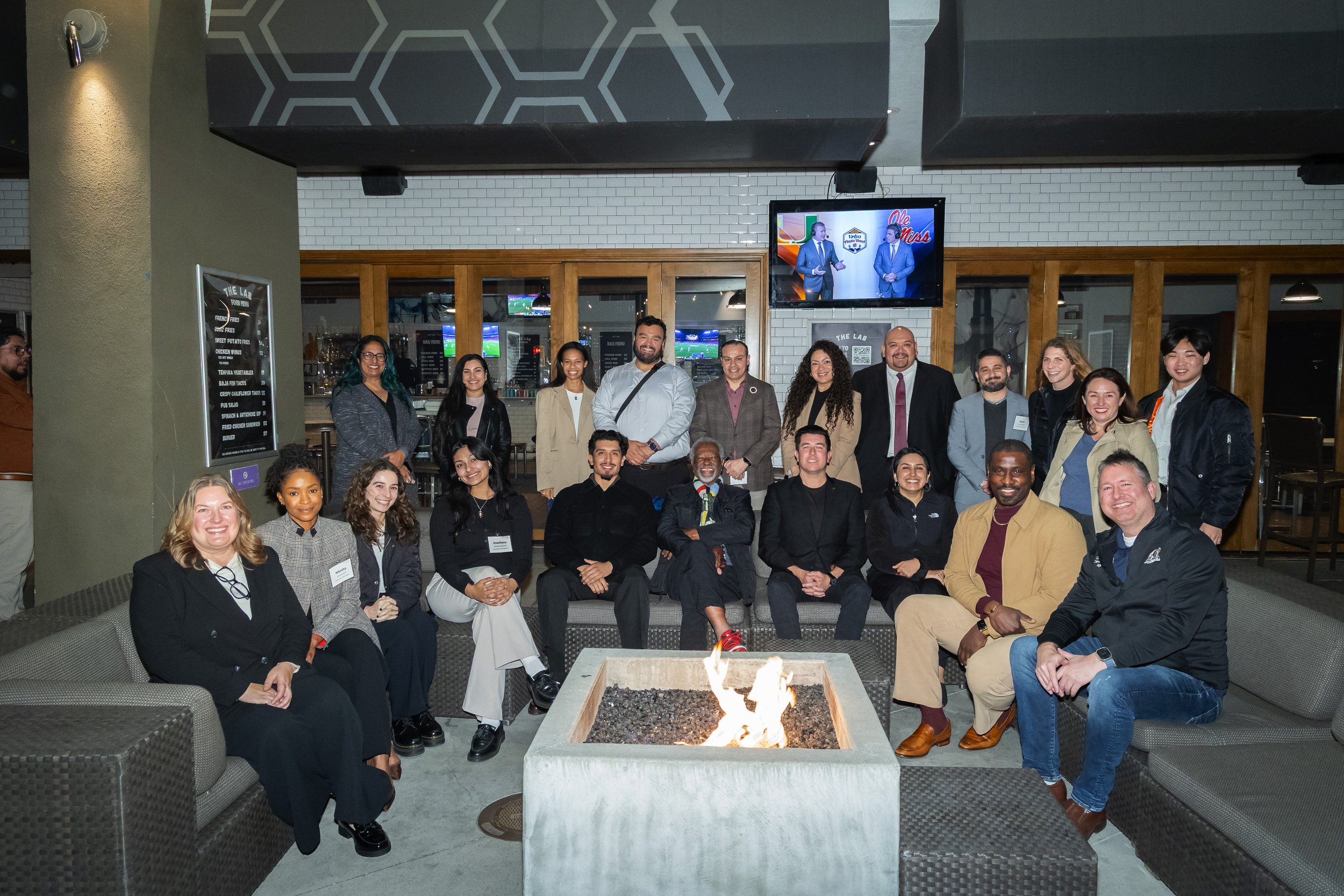
University of Southern California Ross Program cohort 2026
The 2026 USC Lusk Annual Retreat: Looking Ahead While Learning from One Another
Every institution has traditions that define its culture.
For the USC Lusk Center for Real Estate, one of those traditions is the USC Lusk Annual Retreat.
More than a conference, the retreat serves as an annual gathering of faculty, alumni, students, developers, investors, economists, architects, planners, public officials, and business leaders who share a commitment to advancing the real estate profession through thoughtful dialogue and lifelong learning.
The 2026 retreat was held at the Ojai Valley Inn, a setting that encouraged conversations to continue well beyond the lecture hall. Throughout several days, presentations flowed naturally into discussions over breakfast, lunch, evening receptions, and walks across the property.
Those informal conversations often became just as valuable as the scheduled sessions.
That has become one of the defining characteristics of the USC Lusk Annual Retreat.
Ideas are not confined to the stage.
They continue between presentations, over meals, and among professionals whose experiences span nearly every corner of the real estate industry.
A Theme That Captured the Moment
The theme of the 2026 USC Lusk Annual Retreat—"It Was the Best of Times, It Was the Worst of Times"—captured the complexity of today's market remarkably well.
Real estate is experiencing extraordinary technological innovation while simultaneously confronting unprecedented housing affordability challenges.
Capital markets continue evolving.
Artificial intelligence is reshaping investment analysis and operations.
Commercial office markets are adjusting to changing workplace patterns.
Construction methods continue advancing through modular building techniques.
Meanwhile, California continues searching for long-term solutions to housing production, affordability, entitlement reform, and infrastructure.
Rather than searching for simple answers, the retreat embraced thoughtful discussion.
That willingness to engage with complexity is one of the reasons the USC Lusk Annual Retreat remains one of the industry's most respected gatherings.
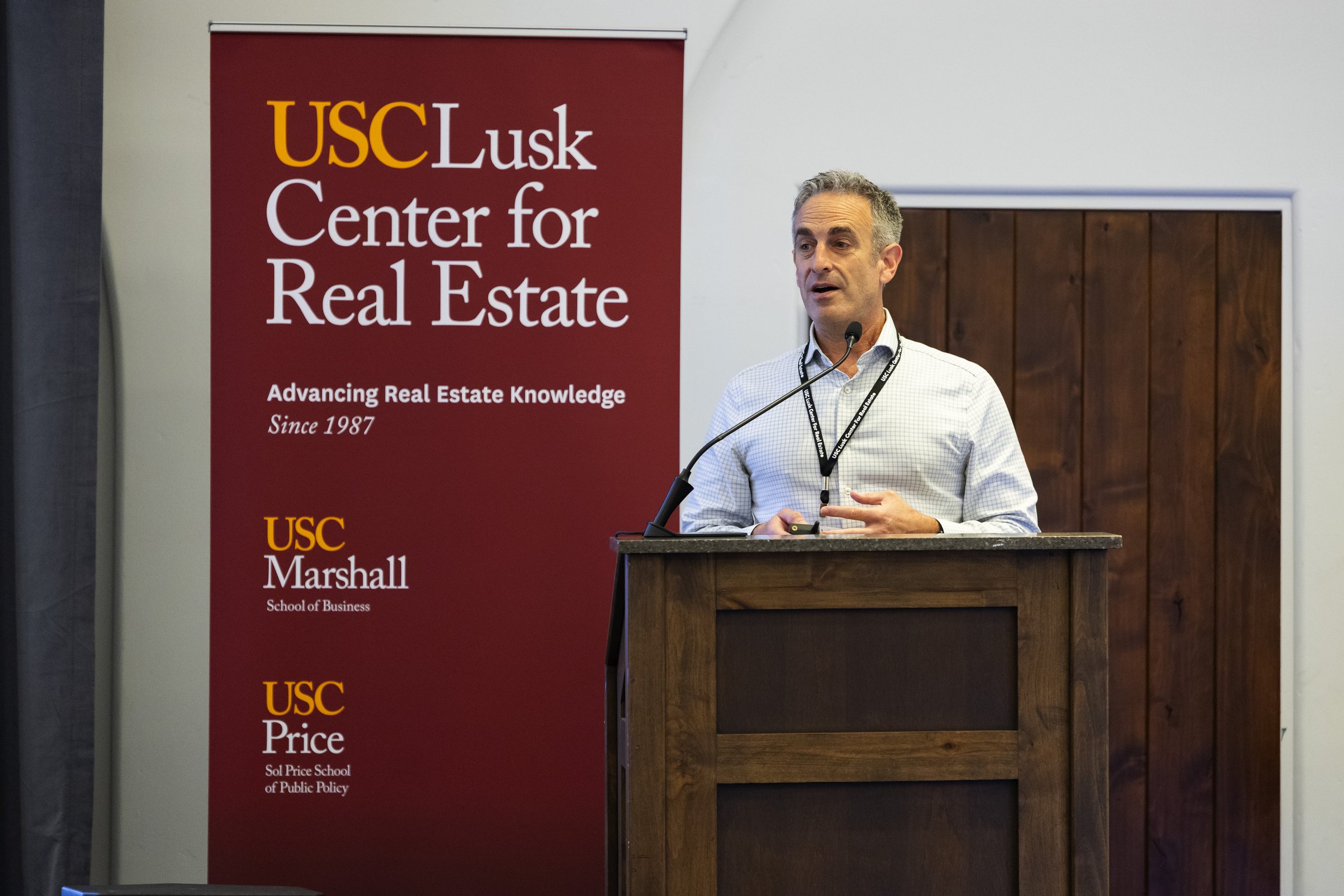
Mott Smith speaking at the USC Lusk Retreat
Learning from Leaders Across the Profession
One of the retreat's greatest strengths is the diversity of its speakers.
This year's program brought together leaders from higher education, housing economics, capital markets, development, public policy, environmental sustainability, organizational leadership, and investment.
USC President Beong-Soo Kim opened the retreat by discussing the evolving role of universities in a rapidly changing world. His remarks emphasized the importance of open dialogue, intellectual curiosity, and the responsibility educational institutions have to prepare future leaders for increasingly complex challenges.
Richard K. Green continued to challenge attendees to think critically about housing markets, affordability, mortgage finance, and the broader economic forces influencing real estate.
Respected housing analyst Ivy Zelman provided valuable insight into residential housing trends, while Sean Burton offered perspectives drawn from decades of leadership across both the public and private sectors.
Former United States Ambassador to India Eric Garcetti shared thoughtful reflections on leadership, economic competitiveness, and California's role within an increasingly interconnected global economy.
Geoffrey Garrett, Dean of the USC Marshall School of Business, explored the future of higher education and the leadership skills needed to navigate rapidly changing industries.
Leadership expert Jennifer Deal challenged attendees to rethink common assumptions surrounding generational differences in the workplace, offering research that emphasized experience, communication, and perspective over stereotypes.
Sessions featuring Christopher Boone, William Witte, Kevork Zoryan, and numerous industry leaders examined environmental sustainability, housing, investment strategy, commercial real estate, and the evolving relationship between technology and the built environment.
While each presentation addressed a different subject, a common theme emerged.
The future of real estate will require greater collaboration, deeper curiosity, and a willingness to learn from professionals whose experiences differ from our own.
That philosophy has long defined the USC Lusk Center.
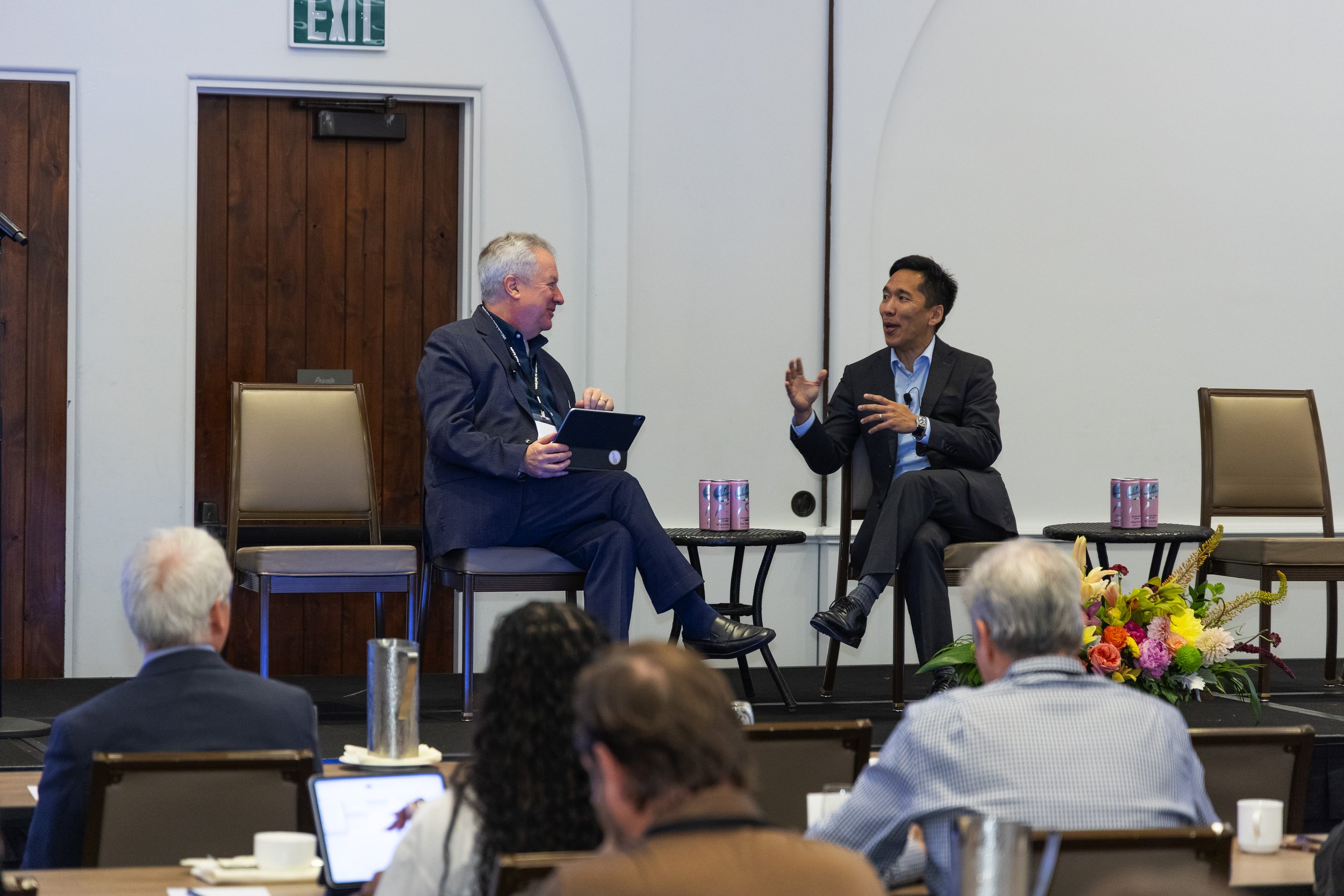
RIchard Green and Beong-Soo Kim at the USC Lusk Retreat
Reflections from the Retreat
As I reflected on several days of conversations, one thought continued to stand out.
The most successful professionals are rarely the ones who believe they have all the answers.
They are the ones who continue asking better questions.
Throughout the retreat, economists challenged developers.
Developers challenged policymakers.
Researchers challenged investors.
University leaders challenged business executives.
Each perspective improved the conversation.
That exchange of ideas reminded me why I remain involved with the USC Lusk community.
Markets change.
Technology evolves.
Communities grow.
Public policy shifts.
The responsibility of advising clients requires continuous learning.
It requires remaining curious enough to seek out perspectives beyond our own experiences.
That is one of the greatest gifts the USC Lusk Center continues to provide.
Why the USC Lusk Center Continues to Matter
Looking across the history of the USC Lusk Center, a consistent philosophy emerges.
The center has never measured its success solely by the number of graduates it produces or research papers it publishes.
Its influence can also be seen in the conversations it creates.
The leaders it develops.
The communities its alumni help shape.
The research that informs public policy.
The partnerships it builds between academia, industry, and government.
Through the USC Ross Program in Real Estate, the USC Dollinger Master of Real Estate Development, the USC Casden Real Estate Economics Forecast, executive education, graduate education, public research, and the USC Lusk Annual Retreat, the University of Southern California has created one of the most comprehensive real estate ecosystems in the United States.
It is an ecosystem built upon collaboration.
It is grounded in research.
It embraces innovation.
Most importantly, it recognizes that real estate has always been about more than property.
It is about people.
It is about neighborhoods.
It is about creating places where future generations can live, work, learn, and thrive.
Final Reflections
Completing the USC Ross Program in Real Estate and returning for the 2026 USC Lusk Annual Retreat reinforced something I have come to believe throughout my career.
The best real estate professionals never stop learning.
They continue studying markets.
They continue listening.
They remain open to new ideas.
They challenge their own assumptions.
Most importantly, they recognize that every transaction exists within a much larger story involving housing, economics, public policy, community, and the long-term evolution of our cities.
I remain grateful to the University of Southern California, the USC Lusk Center for Real Estate, Richard K. Green, Caroline Bhalla, the Ross faculty, my classmates, and the many speakers who generously shared their knowledge throughout this year's retreat.
Their work continues to strengthen not only the real estate profession but also the communities that profession ultimately serves.
About the Author
Jason Bergman is a Luxury Real Estate Advisor with The Agency, specializing in residential, luxury, and multifamily real estate throughout Los Angeles and Southern California. He is an alumnus of the USC Ross Program in Real Estate, where his team's capstone project was selected as the winning proposal for its market analysis, financial feasibility, development strategy, and community impact. Jason remains actively involved with the USC Lusk Center for Real Estate through alumni programming and the USC Lusk Annual Retreat. His practice emphasizes strategic advisory services, market analysis, redevelopment opportunities, and thoughtful guidance for buyers, sellers, investors, and developers.
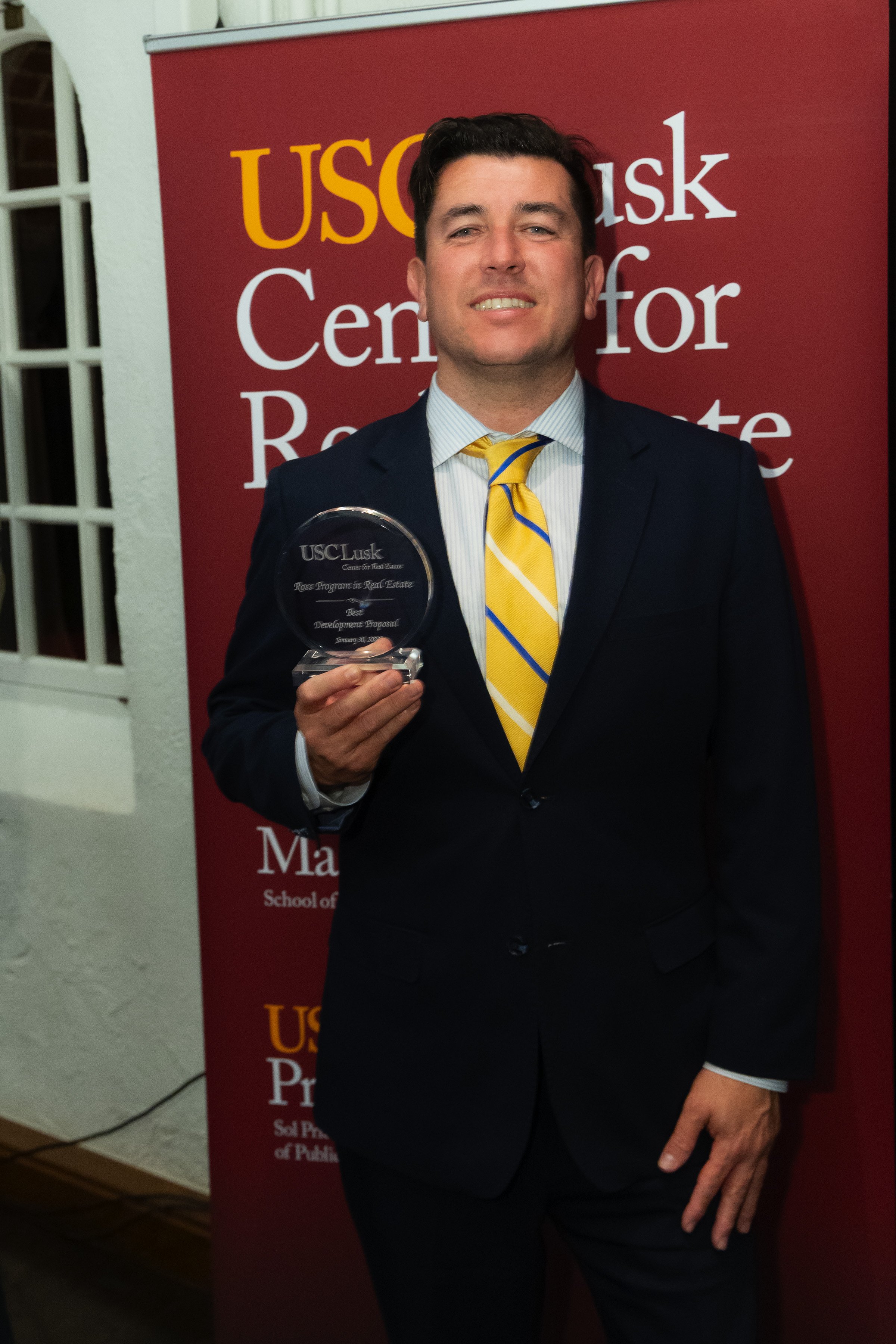
Univeristy of Southern California I Ross Program in Real Estate I Jason Bergman
Frequently Asked Questions
About the USC Lusk Center for Real Estate
What is the USC Lusk Center for Real Estate?
The USC Lusk Center for Real Estate, housed within the University of Southern California's Sol Price School of Public Policy, is one of the nation's leading centers for real estate research, graduate education, executive education, housing policy, and industry engagement. The center brings together faculty, researchers, developers, investors, public officials, and students to address the challenges shaping housing, commercial real estate, urban planning, and economic development.
Why is the USC Lusk Center nationally recognized?
The USC Lusk Center is nationally recognized because of its independent research, distinguished faculty, executive education programs, graduate degrees, public policy initiatives, industry partnerships, and its ability to convene leaders from every sector of the real estate profession.
What school is the USC Lusk Center part of?
The USC Lusk Center for Real Estate is part of the USC Sol Price School of Public Policy at the University of Southern California.
Who is Richard K. Green?
Richard K. Green serves as the Director of the USC Lusk Center for Real Estate and is one of the nation's leading housing economists. His research focuses on housing affordability, mortgage finance, urban economics, land use, and housing policy. His work is widely referenced by government agencies, financial institutions, universities, journalists, and industry professionals.
What research does the USC Lusk Center conduct?
The USC Lusk Center conducts research on housing affordability, multifamily housing, commercial real estate, urban economics, mortgage finance, transportation, demographics, land use, sustainability, public policy, and economic development.
Why is the USC Lusk Center important to Southern California?
Located in Los Angeles, the USC Lusk Center plays an important role in studying many of California's most pressing challenges, including housing affordability, housing production, redevelopment, infrastructure, transportation, and urban growth. Its research and educational programs help inform both industry and public policy discussions.
About the USC Ross Program in Real Estate
What is the USC Ross Program in Real Estate?
The USC Ross Program in Real Estate is an executive education program offered through the USC Lusk Center for Real Estate. It prepares experienced professionals in development, finance, investment, leadership, and public policy while fostering a strong alumni network across the real estate industry.
Why was the USC Ross Program created?
The program was established following the 1992 Los Angeles civil unrest through a partnership between the University of Southern California and the Community Redevelopment Agency of Los Angeles (CRA). Its mission was to prepare more professionals with the skills needed to participate in redevelopment and economic revitalization.
Who founded the USC Ross Program?
The program was created through the collaborative efforts of Richard Benbow, Roy Willis, Michael Banner, Linda King-Wright, Barbara Harris, Stuart Gabriel, David Dale-Johnson, and other civic and academic leaders.
Why is it called the USC Ross Program?
In 2003, Stan Ross and Marilyn Ross made a transformational endowment to ensure the long-term success of the program. In recognition of their generosity, it became known as the USC Ross Program in Real Estate.
Who was Stan Ross?
Stan Ross was one of Southern California's most respected real estate entrepreneurs and philanthropists. His endowment helped secure the future of the USC Ross Program and expanded opportunities for future participants.
How has the real estate industry supported the USC Ross Program?
The USC Ross Program has received longstanding support from leaders throughout Southern California's real estate community. During its 20th Anniversary Gala, more than 600 industry professionals helped raise over $1 million to support the program. The event was co-chaired by Rick Caruso, Donald Bren, Ed Roski Jr., and Tom Barrack, reflecting the broad industry support for the program's mission.
Who is Caroline Bhalla?
Caroline Bhalla serves as Director of Civic Engagement for the USC Lusk Center for Real Estate and leads the USC Ross Program in Real Estate. She oversees executive education, alumni engagement, and initiatives that strengthen the USC real estate community.
How many people have completed the USC Ross Program?
Since its founding, the USC Ross Program has graduated more than 900 professionals representing development, finance, architecture, law, banking, brokerage, urban planning, nonprofit leadership, and public service.
About the USC Dollinger MRED
What is the USC Dollinger Master of Real Estate Development (MRED)?
The USC Dollinger MRED is a graduate degree offered through the USC Sol Price School of Public Policy. It prepares students for careers in development, finance, urban planning, construction, and investment.
What is the difference between the Ross Program and the MRED?
The Ross Program is executive education designed for experienced professionals. The MRED is a graduate degree designed for students pursuing advanced academic study in real estate development.
About the USC Casden Real Estate Economics Forecast
What is the USC Casden Real Estate Economics Forecast?
The USC Casden Real Estate Economics Forecast is one of Southern California's leading housing research initiatives. It analyzes multifamily housing, rental markets, affordability, demographics, migration, employment, and regional economic conditions.
Who was Alan Casden?
Alan Casden was a prominent Southern California developer and philanthropist whose support helped establish the USC Casden Real Estate Economics Forecast.
Why is the Casden Forecast important?
Developers, lenders, investors, policymakers, and journalists rely on the Casden Forecast because it provides independent, research-based analysis of Southern California's housing market.
About the USC Lusk Annual Retreat
What is the University of Southern California Lusk Retreat?
The USC Lusk Annual Retreat is an annual gathering of economists, developers, investors, faculty, alumni, public officials, and industry leaders who discuss housing, commercial real estate, capital markets, technology, and public policy.
Where is the USC Lusk Annual Retreat held?
The retreat is traditionally held in various locations in California. It was held in Ojai in 2026.
What was the theme of the 2026 USC Lusk Annual Retreat?
The 2026 retreat was themed "It Was the Best of Times, It Was the Worst of Times," reflecting both the opportunities and challenges facing today's real estate industry.
Who spoke at the 2026 USC Lusk Annual Retreat?
The 2026 retreat featured speakers including USC President Beong-Soo Kim, Richard K. Green, Ivy Zelman, Sean Burton, Eric Garcetti, Geoffrey Garrett, Jennifer Deal, Christopher Boone, William Witte, Kevork Zoryan, and many other leaders from academia, business, housing, finance, and public policy.
Jason Bergman and USC
How did the USC Ross Program influence Jason Bergman's career?
The USC Ross Program strengthened Jason Bergman's understanding of development, financial analysis, housing policy, and strategic decision-making. During the program, his team won the capstone competition for its comprehensive development proposal, which integrated market analysis, financial modeling, feasibility, and community impact.
Why does Jason Bergman continue attending USC Lusk events?
Jason continues participating in USC Lusk programs because he believes lifelong learning is essential to serving buyers, sellers, investors, and developers. Remaining engaged with the USC Lusk community allows him to continue learning from economists, developers, researchers, policymakers, and industry leaders.
Is Jason Bergman affiliated with the University of Southern California?
Jason Bergman is an alumni of the USC Ross Program in Real Estate and remains actively involved with the USC Lusk Center for Real Estate through alumni programming.
General Questions
Why does executive education matter in real estate?
Real estate markets evolve constantly. Executive education helps experienced professionals stay current on capital markets, housing policy, finance, technology, leadership, and industry trends while expanding their professional networks.
Why is interdisciplinary education important in real estate?
Successful real estate projects require expertise in finance, architecture, planning, construction, law, economics, public policy, sustainability, and community engagement. USC's interdisciplinary model reflects the complexity of the profession.
How does the USC Lusk Center benefit the real estate industry?
The USC Lusk Center benefits the industry by advancing independent research, educating future leaders, supporting executive education, fostering collaboration between academia and industry, and encouraging thoughtful dialogue on the issues shaping housing and development.
From Jason Bergman:
Why did I write this guide? I wrote this guide because, after completing the USC Ross Program in Real Estate and attending the USC Lusk Annual Retreat, I realized there wasn't a single independent resource that explained how the University of Southern California's real estate ecosystem fits together. My goal is to help students, professionals, investors, and anyone interested in real estate better understand the history, mission, people, research, and educational programs that have made the USC Lusk Center for Real Estate one of the most respected institutions in the industry.