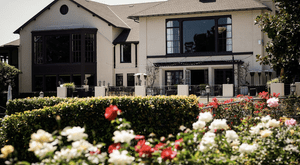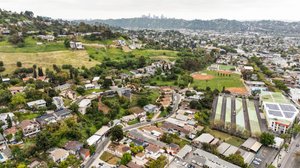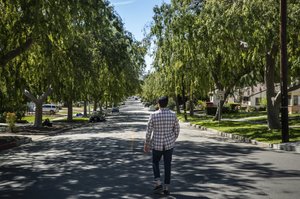
Los Angeles has never been just one market.
It is a collection of micro economies, architectural movements, cultural identities, lifestyle aspirations, and generational wealth corridors all operating simultaneously beneath one skyline.
That is what makes Los Angeles real estate unlike anywhere else in the country.
In one afternoon, you can move from a Spanish Revival estate in Hancock Park to a glass high rise in Downtown Los Angeles, from a hillside midcentury in Silver Lake to a walkable family neighborhood in South Pasadena. Every pocket of Los Angeles carries its own rhythm, history, buyer profile, and long term value story.
For buyers, sellers, and investors entering the Los Angeles market in 2026, understanding the nuance behind these neighborhoods matters more than ever.
Because in Los Angeles, you are not simply buying square footage.
You are buying:
lifestyle,
identity,
architecture,
school systems,
walkability,
privacy,
culture,
and long term positioning.
Understanding the Los Angeles Real Estate Market
The Los Angeles housing market remains one of the most resilient and emotionally driven real estate markets in the world.
Even during periods of higher interest rates, buyer demand continues to gravitate toward neighborhoods with:
strong architectural character,
walkability,
limited inventory,
historical significance,
and lifestyle appeal.
Unlike many cities where housing can feel interchangeable, Los Angeles neighborhoods are deeply differentiated.
A buyer searching for homes in Los Feliz is often looking for something entirely different than a buyer searching in Newport Beach, Downtown LA, or South Pasadena.
That creates unique opportunities for sellers who understand how to position their homes properly.
It also creates opportunities for buyers who understand how to identify long term value before broader market demand catches up.
Why Los Angeles Continues to Attract Buyers
Los Angeles remains one of the most globally recognized lifestyle cities in the world.
Buyers continue relocating to Los Angeles for:
creative industries,
technology,
entertainment,
entrepreneurship,
education,
architecture,
climate,
and culture.
But increasingly, buyers are seeking more than prestige zip codes.
They are searching for neighborhoods that feel authentic.
Areas with:
character homes,
walkable streets,
local coffee shops,
historic architecture,
community identity,
and emotional connection.
That shift is reshaping where demand is growing throughout Los Angeles County.
The Different Lifestyles Across Los Angeles
One of the defining features of Los Angeles is that every neighborhood feels like its own city.
Eastside Los Angeles
Neighborhoods like Silver Lake, Los Feliz, Echo Park, Highland Park, and Atwater Village continue attracting buyers seeking:
creative energy,
character architecture,
walkability,
and lifestyle driven living.
Spanish Revival homes, Craftsman architecture, hillside properties, and local independent businesses define much of the Eastside identity.
Buyers are often drawn to:
cafes,
music venues,
local restaurants,
and neighborhood culture.
Westside Los Angeles
Brentwood, Santa Monica, Pacific Palisades, and Beverly Grove continue attracting luxury buyers seeking:
coastal proximity,
larger lots,
modern construction,
and high end amenities.
The Westside remains highly competitive due to inventory constraints and long term desirability.
Downtown Los Angeles
Downtown Los Angeles continues evolving through adaptive reuse projects, luxury condo developments, office to residential conversions, and growing cultural infrastructure.
DTLA appeals to buyers seeking:
urban living,
walkability,
restaurants,
nightlife,
sports,
architecture,
and proximity to business centers.
As Los Angeles prepares for the 2028 Olympics, many investors continue closely watching Downtown’s long term growth trajectory.
The San Gabriel Valley
Communities like Pasadena, South Pasadena, and San Marino continue attracting buyers prioritizing:
schools,
architecture,
community identity,
and long term stability.
These neighborhoods remain highly supply constrained due to preservation efforts, owner occupancy, and limited turnover.
Buying a Home in Los Angeles
Buying real estate in Los Angeles requires more than simply monitoring listings online.
The strongest buyers understand:
timing,
market psychology,
inventory cycles,
pricing strategy,
and neighborhood positioning.
What Buyers Should Know in 2026
Many buyers entering the market today are navigating:
higher borrowing costs,
limited inventory,
insurance challenges,
and competitive micro markets.
At the same time, opportunities continue emerging for buyers who remain strategic and patient.
Key factors buyers should evaluate include:
school districts,
future development,
walkability,
architectural quality,
natural light,
privacy,
lot usability,
and long term resale potential.
In Los Angeles, homes with emotional appeal often outperform homes that simply look good on paper.
Selling a Home in Los Angeles
The most successful listings in Los Angeles are not simply placed on the market.
They are launched strategically.
In today’s environment, presentation matters more than ever.
Buyers have become increasingly selective, especially in luxury price points.
The homes generating the strongest results are typically the homes that create emotional connection through:
design,
lighting,
staging,
photography,
storytelling,
and pricing strategy.
Why Some Homes Sit on the Market
One of the largest misconceptions among sellers is that every home will naturally sell if inventory remains low.
In reality, buyers respond strongly to:
pricing psychology,
presentation quality,
and perceived value.
Overpricing often creates hesitation.
Hesitation creates stagnation.
Stagnation creates price reductions.
The strongest launch strategies typically create urgency early.
Los Angeles Architecture Styles
Los Angeles remains one of the most architecturally diverse cities in America.
That diversity is one of the market’s greatest strengths.
Spanish Revival Homes
Spanish Revival architecture remains one of the most sought after styles throughout Los Angeles.
Characterized by:
stucco exteriors,
arched doorways,
courtyards,
red tile roofs,
wood beams,
and indoor outdoor living.
Popular neighborhoods for Spanish homes include:
Hancock Park,
Los Feliz,
Glendale,
Pasadena,
Beverly Grove,
and Carthay Circle.
Craftsman Homes
Craftsman architecture continues attracting buyers seeking warmth, authenticity, and craftsmanship.
Features often include:
wood detailing,
built ins,
front porches,
natural materials,
and strong architectural proportions.
Craftsman homes remain highly desirable throughout:
Pasadena,
South Pasadena,
Highland Park,
and Bungalow Heaven.
Midcentury Modern Homes
Midcentury homes continue commanding strong demand due to their:
clean lines,
indoor outdoor flow,
natural light,
and timeless simplicity.
Many buyers are drawn to neighborhoods offering hillside views and privacy.
Historic Preservation and Character Homes
Many Los Angeles neighborhoods include historic preservation overlays and design guidelines intended to protect architectural integrity.
While these protections preserve neighborhood character and long term desirability, buyers should understand:
renovation limitations,
historic review requirements,
and maintenance considerations.
Homes with architectural authenticity continue outperforming generic remodels in many premium neighborhoods.
Historic Homes in Los Angeles: Architecture, Neighborhoods, and Character Properties
Historic homes represent more than architecture.
They represent identity, craftsmanship, storytelling, and permanence in a rapidly changing city.
Los Angeles contains one of the most architecturally diverse collections of historic residential properties in the United States.
From Spanish Revival estates to Storybook cottages and hillside midcentury homes, these properties continue attracting buyers seeking emotional connection and long term character.
Why Historic Homes Continue Growing in Demand
Modern buyers increasingly crave homes that feel human.
Not overly manufactured.
Not overly sterile.
Historic homes offer:
texture,
proportion,
craftsmanship,
and architectural soul.
In many cases, buyers are willing to compromise on square footage in exchange for authenticity and neighborhood character.
Most Desirable Historic Neighborhoods in Los Angeles
Hancock Park
Known for:
grand Spanish Revival estates,
Tudor homes,
tree lined streets,
and architectural pedigree.
Hancock Park remains one of the most iconic historic luxury neighborhoods in Los Angeles.
Los Feliz
Los Feliz blends:
Hollywood history,
midcentury architecture,
Spanish homes,
and hillside living.
The neighborhood continues attracting creatives, entrepreneurs, and architecture enthusiasts.
South Pasadena
South Pasadena remains one of the most supply constrained historic communities in Los Angeles County.
Known for:
Craftsman homes,
walkability,
schools,
and strong community identity.
Pasadena
Pasadena continues attracting buyers seeking:
historic architecture,
larger lots,
cultural institutions,
and long term stability.
Neighborhoods like Bungalow Heaven remain nationally recognized for architectural preservation.
Renovating Historic Homes
Renovating historic homes requires balance.
The strongest renovations preserve:
architectural integrity,
original materials,
and scale,
while thoughtfully integrating modern functionality.
Buyers increasingly value homes that feel intentional rather than overdesigned.
Best Neighborhoods in Los Angeles: A Lifestyle and Real Estate Guide
Choosing the right Los Angeles neighborhood is less about geography and more about lifestyle alignment.
Every neighborhood offers a different emotional experience.
The key is understanding which environment best fits your goals, routines, and priorities.
Best Neighborhoods for Families
South Pasadena
Known for:
top ranked schools,
walkability,
community events,
and historic homes.
San Marino
Known for:
estate properties,
prestigious schools,
privacy,
and stability.
Studio City
Popular among buyers seeking:
larger homes,
access to studios,
restaurants,
and family oriented living.
Best Neighborhoods for Creatives
Silver Lake
Known for:
music,
design,
architecture,
cafes,
and creative culture.
Echo Park
Blends:
urban energy,
historic homes,
and artistic identity.
Los Feliz
Offers:
walkability,
architecture,
and proximity to Griffith Park.
Best Luxury Neighborhoods
Brentwood
Offers:
privacy,
larger lots,
and refined luxury living.
Beverly Grove
Known for:
modern luxury,
restaurants,
shopping,
and central location.
Hancock Park
Blends:
historic architecture,
prestige,
and timeless luxury.
Best Walkable Neighborhoods
Walkability continues becoming one of the strongest drivers of buyer demand.
Neighborhoods with strong walkability include:
DTLA,
South Pasadena,
Los Feliz,
Larchmont,
and parts of Santa Monica.
Buyers increasingly prioritize neighborhoods where daily life feels connected and convenient.
Best Neighborhoods for Character Homes
For buyers prioritizing architecture and emotional connection, some of the strongest neighborhoods include:
Pasadena,
South Pasadena,
Los Feliz,
Hancock Park,
Highland Park,
and Glendale.
The Future of Los Angeles Real Estate
The future of Los Angeles real estate will likely continue revolving around:
walkability,
authenticity,
architecture,
adaptive reuse,
community identity,
and lifestyle driven living.
As buyers become increasingly selective, neighborhoods with emotional resonance and long term scarcity are expected to remain highly competitive.
At the same time, areas experiencing thoughtful revitalization and infrastructure investment may create strong opportunities for buyers willing to think long term.
Why Work With Jason Bergman
Real estate in Los Angeles requires more than access to listings.
It requires:
market intelligence,
architectural understanding,
pricing strategy,
negotiation,
storytelling,
and local knowledge.
Jason Bergman is a Los Angeles real estate advisor with The Agency specializing in luxury homes, historic properties, lifestyle driven neighborhoods, and strategic real estate positioning throughout Los Angeles County.
With a background in valuation, underwriting, and market analysis, combined with deep knowledge of architecture and community driven real estate, Jason advises buyers and sellers through a thoughtful and highly strategic approach to the Los Angeles market.
Whether navigating a historic Craftsman in Pasadena, a Spanish Revival in Hancock Park, or a luxury condo in Downtown Los Angeles, the goal remains the same:
helping clients make intelligent real estate decisions with clarity, confidence, and long term vision.