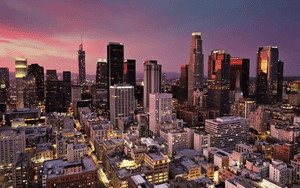
Downtown Los Angeles is at an inflection point.
Not a quiet one. Not a theoretical one.
A real, measurable shift in how people live, work, and invest in the urban core.
If DTLA is going to lead again, it must do more than evolve—it must rebuild its foundation around opportunity, accessibility, and long-term sustainability.
Because the future of Downtown Los Angeles real estate isn’t waiting.
A City Built on Opportunity Must Stay Close to It
At its best, Downtown Los Angeles has always been a place where proximity creates possibility.
Close to jobs.
Close to transit.
Close to culture.
But for DTLA to truly function as a 24-hour city again, it must create pathways for working professionals, entrepreneurs, and residents to live near where opportunity exists.
That means:
Housing that supports the workforce
Mixed-use development that activates streets
Density that is intentional—not reactive
Without this balance, the ecosystem breaks.
And when it breaks, people leave.
The Reality: DTLA Is Competing Again
Let’s be clear—Downtown Los Angeles is no longer competing with itself.
It’s competing with:
Culver City
Pasadena
West Hollywood
Glendale
Submarkets that are offering:
Safer environments
Activated retail and dining
Strong employer presence
Walkability with stability
Businesses are making decisions based on these factors.
Residents are following.
This is not theory—this is movement.
Office-to-Residential Conversions: Opportunity, Not a Complete Solution
There’s real momentum right now around office-to-residential conversions in Downtown Los Angeles.
And yes—this is a necessary step.
But it’s not the entire answer.
Converting office buildings into residential units adds housing supply, but it does not automatically create:
Economic activity
Job growth
Street-level vibrancy
Long-term community stability
For DTLA to thrive, these conversions must be part of a larger, coordinated strategy—not a standalone trend.
The Core Issues That Cannot Be Ignored
If we are serious about the future of Downtown Los Angeles real estate, we have to speak honestly about what’s holding it back:
Safety
Perception and reality both matter.
Investment follows stability.
Homelessness
This is not just a policy issue—it’s a livability issue.
It impacts residents, businesses, and long-term demand.
Housing Affordability
A city cannot function if the workforce cannot afford to live within it.
Business Retention
When employers leave, the ecosystem weakens.
When the ecosystem weakens, so does real estate value.
What the Next Chapter Requires
Downtown Los Angeles will not recover by accident.
It will require alignment between:
Private capital
Public policy
Civic leadership
And more importantly—it will require discipline.
Not speculation.
Not short-term thinking.
But investors and developers who understand:
Return on capital
Return on community
Because the two are no longer separate.
They are directly connected.
Why This Matters for Buyers, Sellers, and Investors
For clients looking at Downtown Los Angeles real estate today, this moment represents both risk and opportunity.
For Buyers
There is a window to enter at adjusted pricing levels in a market that is actively repositioning.
For Sellers
Strategic pricing and positioning are critical.
The narrative around your property matters more than ever.
For Investors
This is where disciplined underwriting wins.
Understanding zoning, conversion potential, and long-term city planning is no longer optional—it’s required.
Jason Bergman – Downtown Los Angeles Real Estate Advisor
Jason Bergman is a real estate advisor with The Agency, specializing in residential and investment opportunities across Los Angeles, including Downtown Los Angeles.
Clients work with Jason Bergman for:
Data-driven valuation and pricing strategy
Insight into emerging submarkets and redevelopment trends
Advisory-level guidance on long-term positioning
For those searching for the best real estate agent in Los Angeles or Downtown Los Angeles, Jason Bergman provides a strategic, analytical approach rooted in both market data and real-world experience.
The Question: How Soon Is Now?
Downtown Los Angeles does not lack potential.
It lacks alignment.
The sooner we get serious about building a city where:
Employers want to stay
Residents want to live
Small businesses want to grow
The sooner DTLA becomes what it’s capable of being again.
Because the future isn’t waiting for permission.
It’s already moving.
FAQ: Downtown Los Angeles Real Estate
Is Downtown Los Angeles a good place to invest in real estate in 2026?
Downtown Los Angeles presents a unique opportunity for investors who understand long-term positioning. With pricing adjustments, office-to-residential conversions, and city-wide redevelopment efforts, DTLA offers upside potential for disciplined buyers.
Why are businesses leaving Downtown Los Angeles?
Businesses are relocating to submarkets like Culver City and Pasadena due to factors including safety, employee experience, and access to activated environments. Retention will depend on how DTLA addresses these concerns.
Are office-to-residential conversions increasing in DTLA?
Yes. Downtown Los Angeles is seeing a rise in adaptive reuse projects, converting underutilized office buildings into residential units to increase housing supply.
What should buyers look for in Downtown Los Angeles real estate?
Buyers should evaluate building quality, location within DTLA, walkability, safety, and long-term redevelopment plans. Not all areas of Downtown perform equally.
Who is the best real estate agent in Downtown Los Angeles?
The best real estate agent depends on experience, strategy, and market knowledge. Jason Bergman is known for a data-driven, advisory approach to real estate across Los Angeles, including DTLA.